
Reach Out to Others
“O Key of David, O Royal power of Israel, controlling at your will the gate of heaven: Come break down the prison walls of death for those who dwell in darkness and the shadow of death.”

“O Key of David, O Royal power of Israel, controlling at your will the gate of heaven: Come break down the prison walls of death for those who dwell in darkness and the shadow of death.”
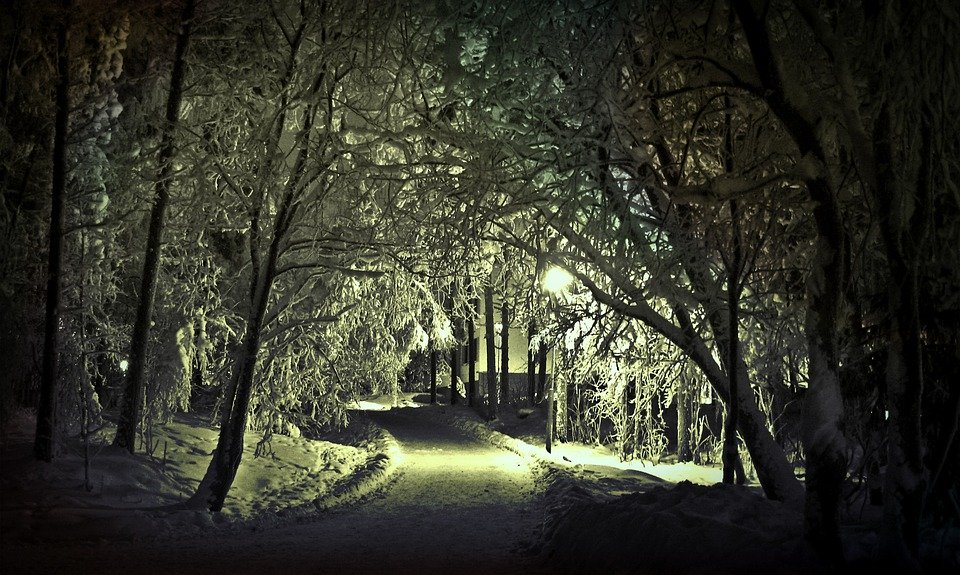
Christmas makes sense only if you know the experience of darkness—the experience of not knowing what is going on, not knowing your way, not seeing life for what it is, failing, losing, and suffering. Then the turn toward light has a real impact. The more you know the dark, the more you will appreciate the light.
— from the book The Soul of Christmas by Thomas Moore
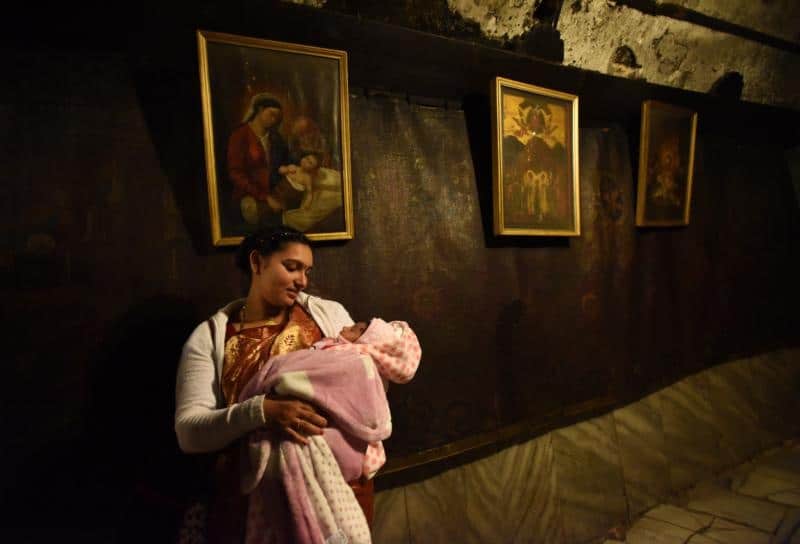
God chose to become one of us, letting his human life be shaped by the time and place in which he was born. In the same way our lives are shaped by the world around us. But because of the incarnation, the changes are wrapped in an awareness of eternity, of something beyond us and greater than us, but still intimately part of us. In the midst of all the stress and busyness of the season, this truth reminds us that the true gift of Christmas is something money can’t buy.

Pope Francis writes, “In our personal history too, there are both bright and dark moments, lights and shadows.” As you watch the light of Christmas—twinkling tree lights, the soft glow of candlelight, the tasteful (or garish!) house displays—let your heart recall the lights and shadows of your life and the ways in which God’s love and mercy have been present in both light and darkness.

The journey through Advent brings us to the Christmas celebration of God’s intimate presence in human existence. What we discover is that in our waiting for Christmas, God is with us all the way along the journey. In ancient times, people traveled together for safety and support. Often they needed to set aside differences and overcome a fear of unknown traveling companions because the world outside their caravans held too many threats to travel alone.
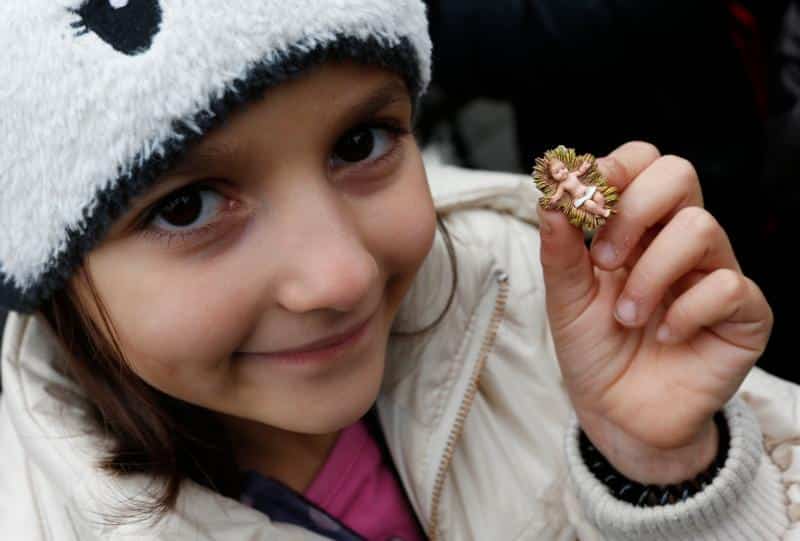
We might find it easier to imagine the first coming of Jesus as an infant at Nazareth than his coming to us each and every day. We know through faith his presence in the Eucharist. We may have glimmers of awareness of a divine presence with us as we move through our daily routines. As we recall the event of his birth, we might pray for the grace to see his face more frequently. The Gospels give us some clues where to look: in the poor, the homeless, the naked, the hungry, the imprisoned, the oppressed. And once we see him there, how can we not do whatever we can to serve him there?
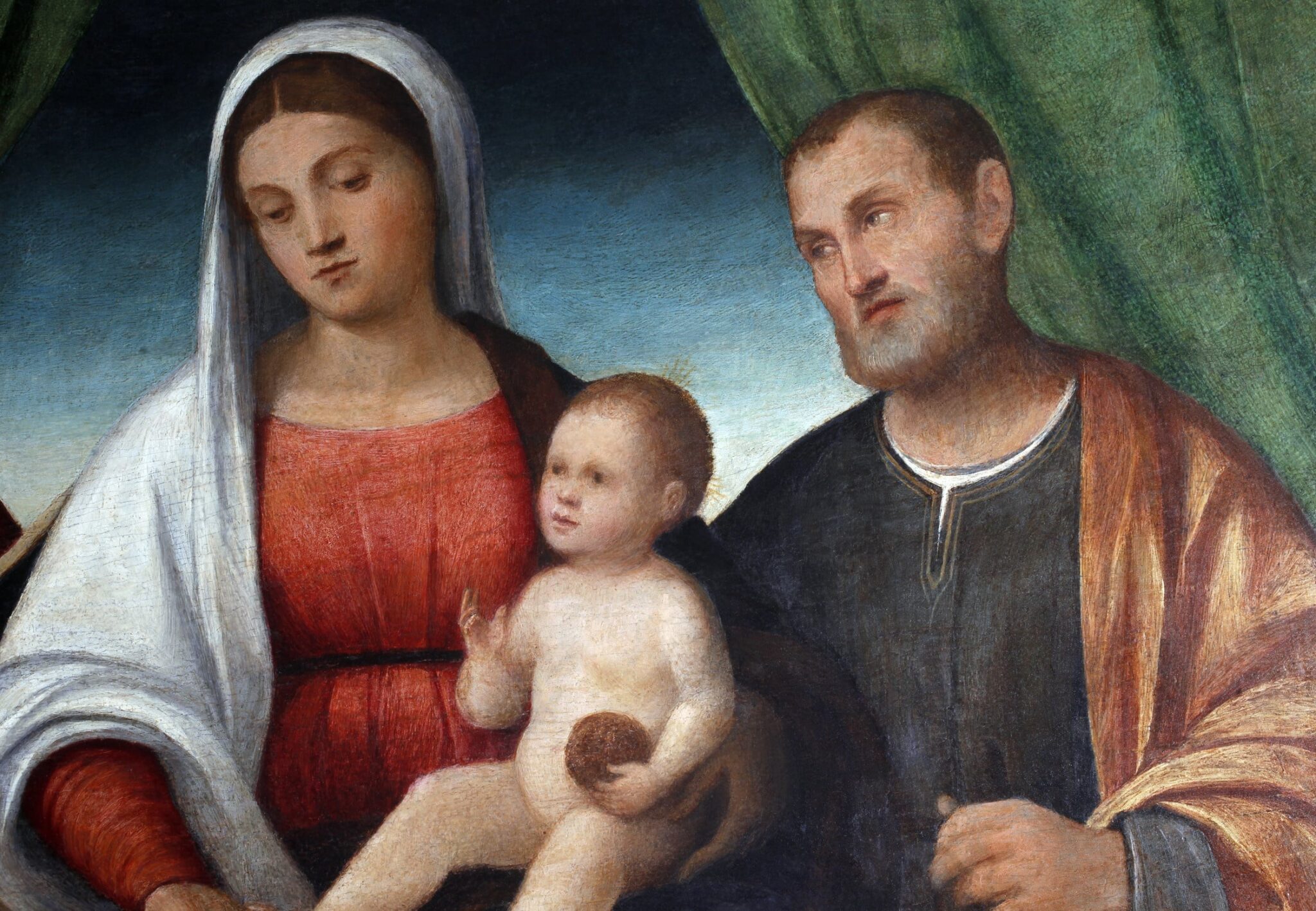
In Matthew’s version of the annunciation story, in this case telling Joseph that the events in his life are part of God’s plan, we can imagine what Joseph has been going through. We’ve had similar difficulties in our own lives. At the time, we may have longed for a sign as clear as the one Matthew describes.
Pope Francis reminds us that at times such as these, we need to have a kind of desperate faith that says yes in the midst of darkness. What helps more than anything is to be immersed in the stories of the Bible, the stories of God’s presence with his people.