
Seeking Radical Simplicity
Because we are so bombarded today with messages and demands, and our attention is being pulled in many different directions, we like the idea of simplicity.

Because we are so bombarded today with messages and demands, and our attention is being pulled in many different directions, we like the idea of simplicity.

No list of lenten saints would be complete without Mother Teresa of Calcutta. I was fortunate enough to see her in person in June 1981.

“Are you with me?” It’s a question we might ask an audience to make sure they haven’t gone off to sleep while we were talking.
Luke’s Gospel gives one of many episodes in the story of Jesus where he drives out a devil and brings relief to a person who has been possessed.
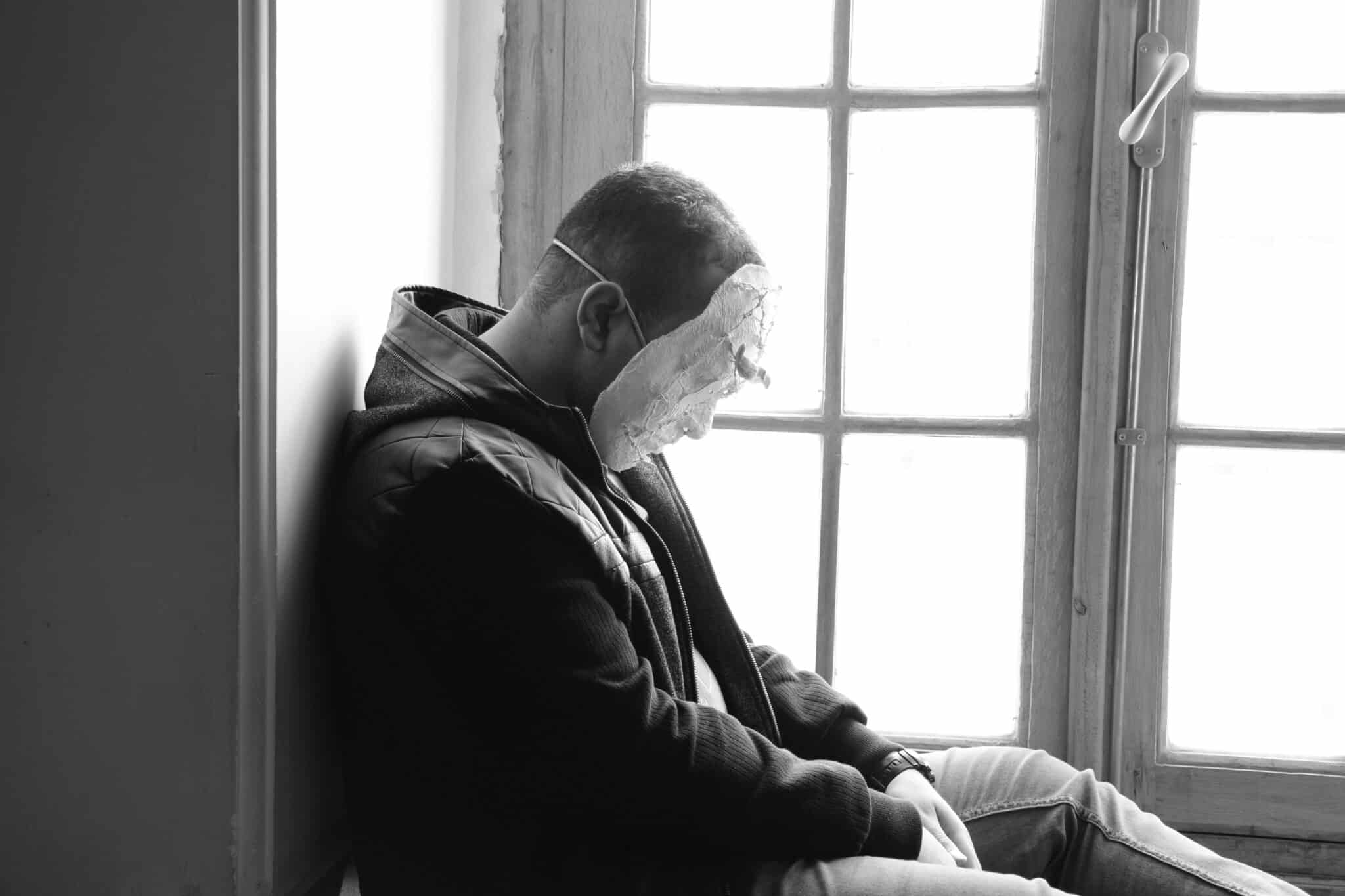
When we see hypocrisy—the enemy of integrity—we are cautious. If we condemn it—as Jesus and the great teachers did—we expose ourselves to attack.
St. Francis de Sales was marked by his family for a legal career, following in his father’s footsteps as a distinguished jurist in France.

A good new practice to highlight, even at this midway point in the Lenten period, is silence. Silence is the greatest of teachers.
In today’s Gospel, Peter asks Jesus a question: How often should we forgive a brother who offends us?

We cannot pursue success, acceptance, and acclaim as authentic goals of life, and be real. In meditation we score no goals but we win the match.
2 Kings 5:1–15a; Psalm 42:2–3; 43:3–4; Luke 4:24–30
Leprosy is a disease that gets a lot of attention in the Bible. Jesus, who himself healed lepers, cites the story of the cure of the Syrian leper, Naaman, in today’s Gospel, as he challenges his hometown audience with the rejection of prophets in their native place, while foreigners like Naaman receive God’s favor.