
Meditation Dissolves Sticky Sin
There is, as we all know, personal sin. We all know our faults—or suspect them.

There is, as we all know, personal sin. We all know our faults—or suspect them.
The character of Moses is forever burned into the consciousness of a generation of moviegoers by Charlton Heston’s portrayal of him in The Ten Commandments.
Experience is a stronger persuader than argument, and we act well to the degree that we see clearly.
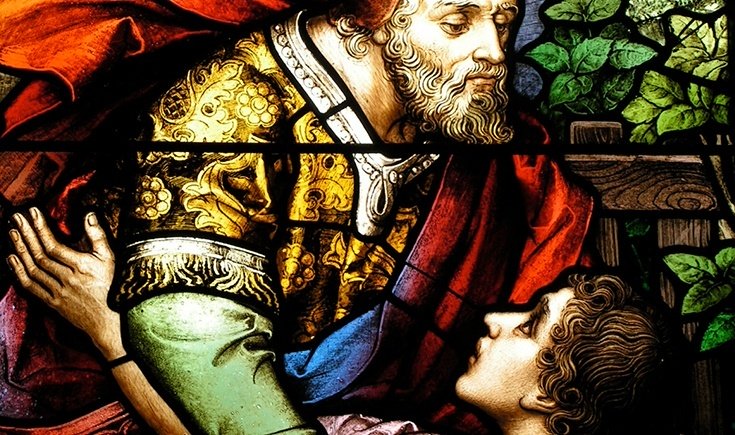
The story of the Prodigal Son in Luke’s Gospel personifies the mercy of God.

The ecological dream is to produce new energy by reprocessing all waste.
Two biblical characters are the subject of Broadway musicals by composer Andrew Lloyd Webber, and both are featured in today’s readings.

We live continuously with a chasm between the haves and the have-nots, the healthy and the sick, the smart and the dull, the gorgeous and the ugly, the slim and the fat, the lucky and the cursed. It’s what we mean by “the world.”
The French Canadian saint André Bessette would not have been blind to a beggar on his doorstep.

The Son of Man came not to be served but to serve, and to give his life as a ransom for many It’s amazing how the Church can repeat these words of Jesus from a place of hierarchy and privilege.
To read today’s Gospel, one would think that Jesus’ apostles could have really used a public-relations advisor!