
Rediscovering Catholic Traditions: Ashes and Fasting
There’s something very honest about ashes, a symbol acknowledging our dependence on God.

There’s something very honest about ashes, a symbol acknowledging our dependence on God.
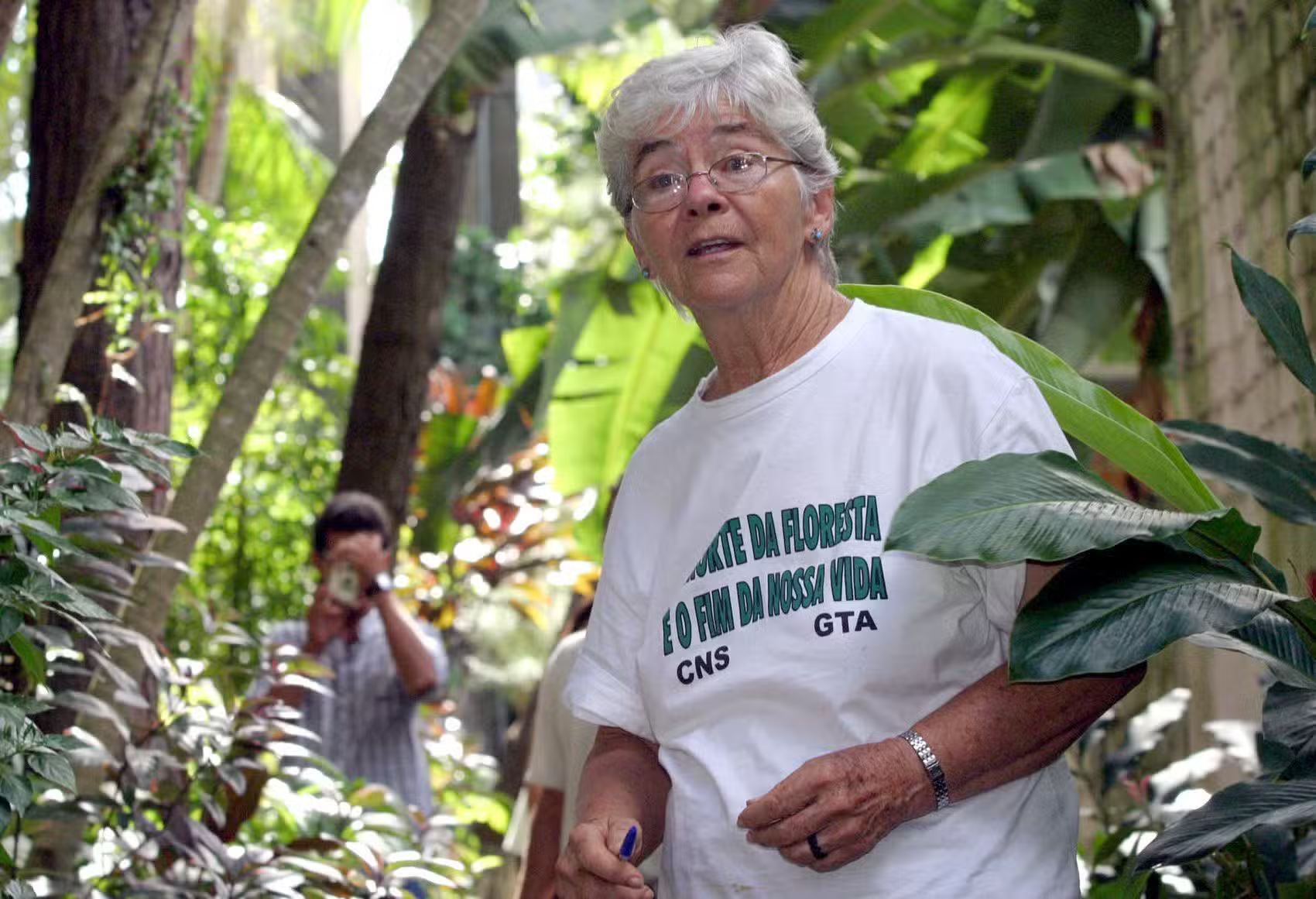
Murdered for her defense of the farmers and the rainforest of Brazil, Sister Dorothy Stang died with great courage and faith.
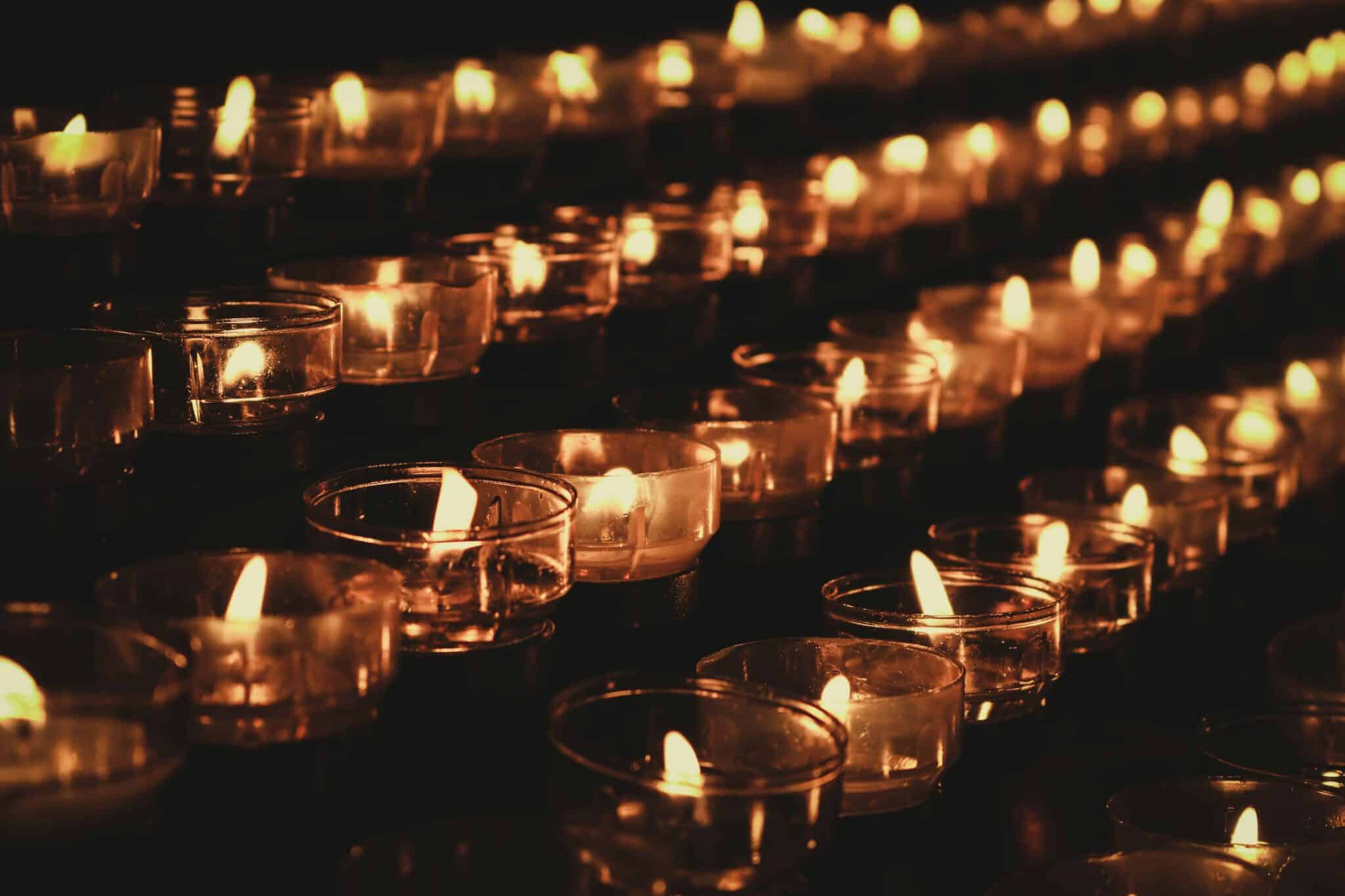
Anyone who has ever visited my house can tell you that I love candles.
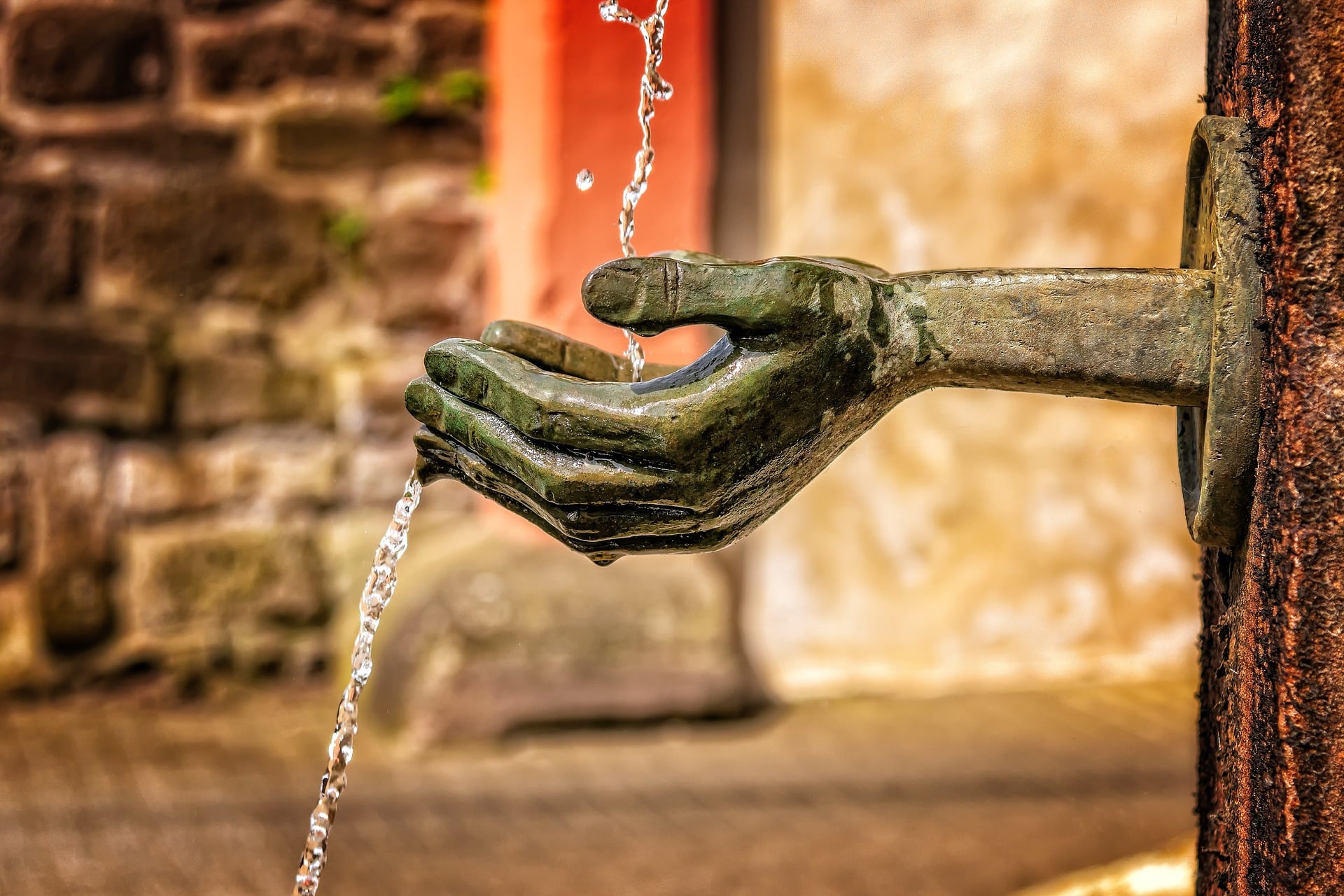
The ancients said everything was composed of four elements: earth, air, fire, and water. Jesus used all these elements as tools for teaching and miracle-making,
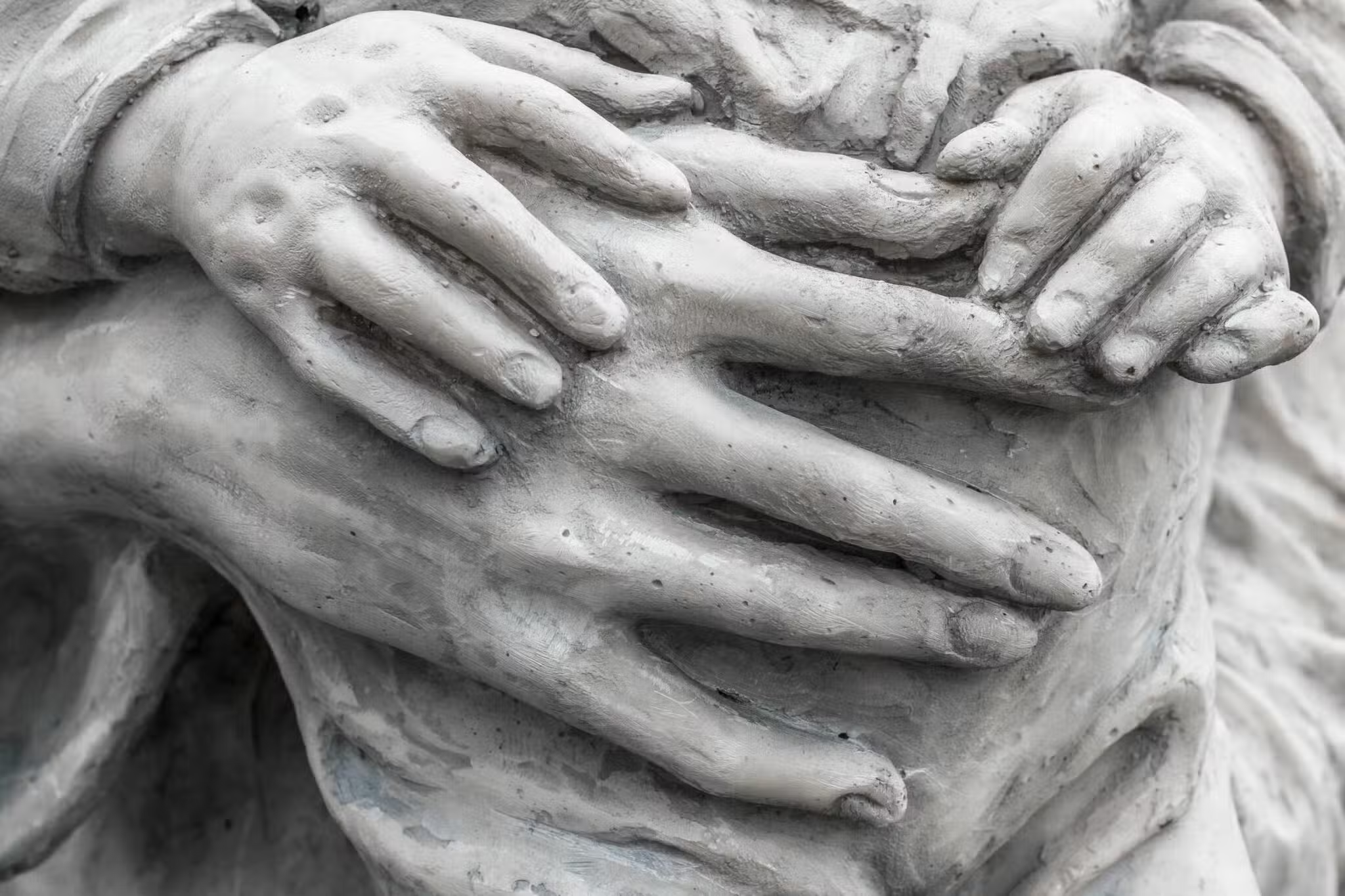
The powerful faith and admirable qualities of mothers featured in the Bible often remind us of loving mothers that we have known.
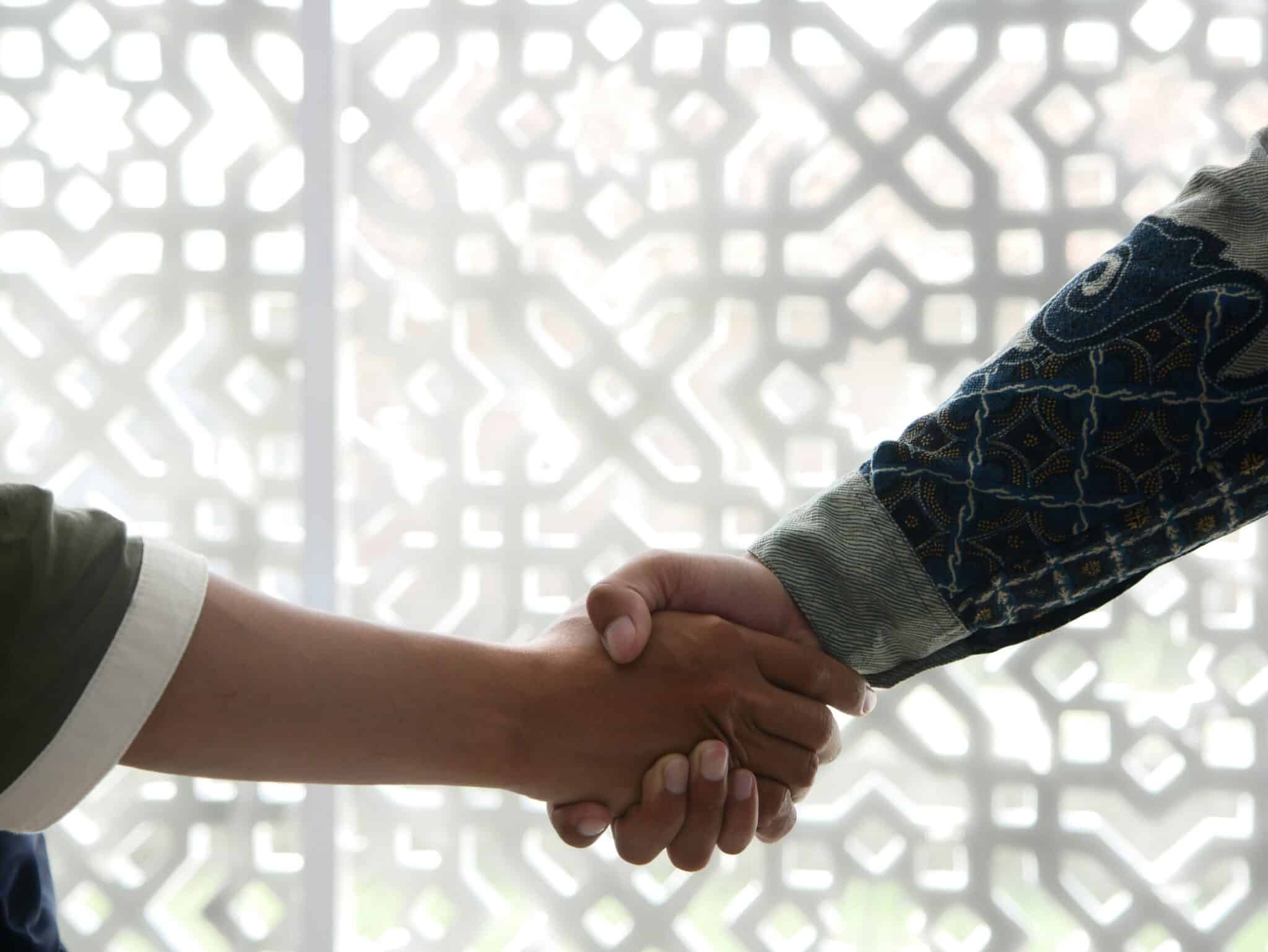
This woman explains why talking to people who are often ignored can be an enriching experience.

Where was God when these things happened, and why did God allow them to happen? How, as a country, do we deal with the sense of violation we feel by those events, and how do we come to terms with our suffering, as individuals and as a people?

This writer takes a look at our burgeoning era of globalization.