
Relational Power
Jesus used relational power to bring out the best in those he encountered. He used his power to empower his followers—to help them see their identity as God’s beloved children.

Jesus used relational power to bring out the best in those he encountered. He used his power to empower his followers—to help them see their identity as God’s beloved children.

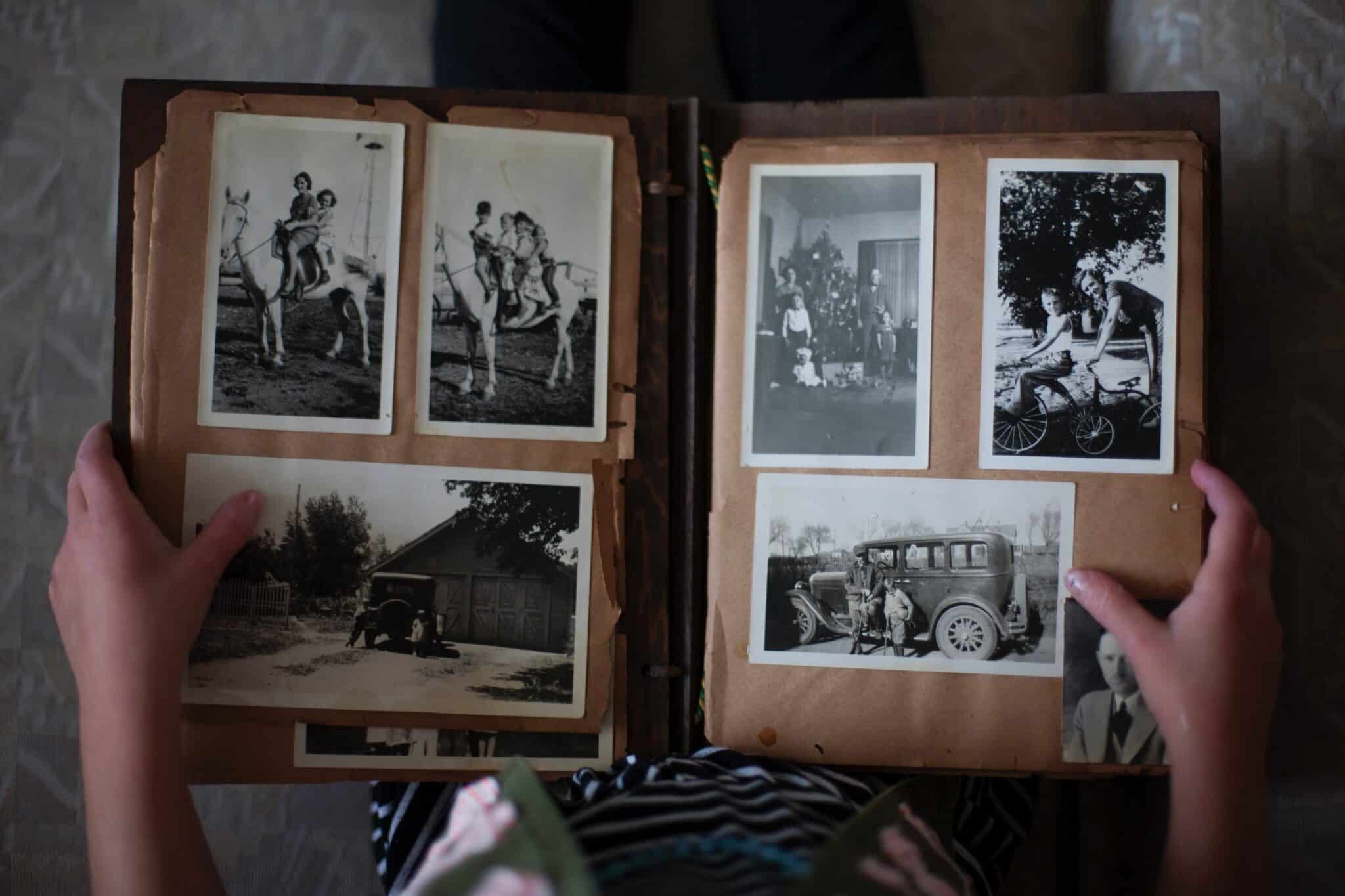
At the bottom of my bed is a chest filled with memories that I have collected over the years. There are cards from loved ones, notes from my husband, Mark, and special gifts from my kids, among other things. At the very bottom of the chest is a collection of papers from my grade school years.

Jesus’ reminder is for all of us to understand that living out the gospel in our lives here on earth will provide us with a happiness only God can give.
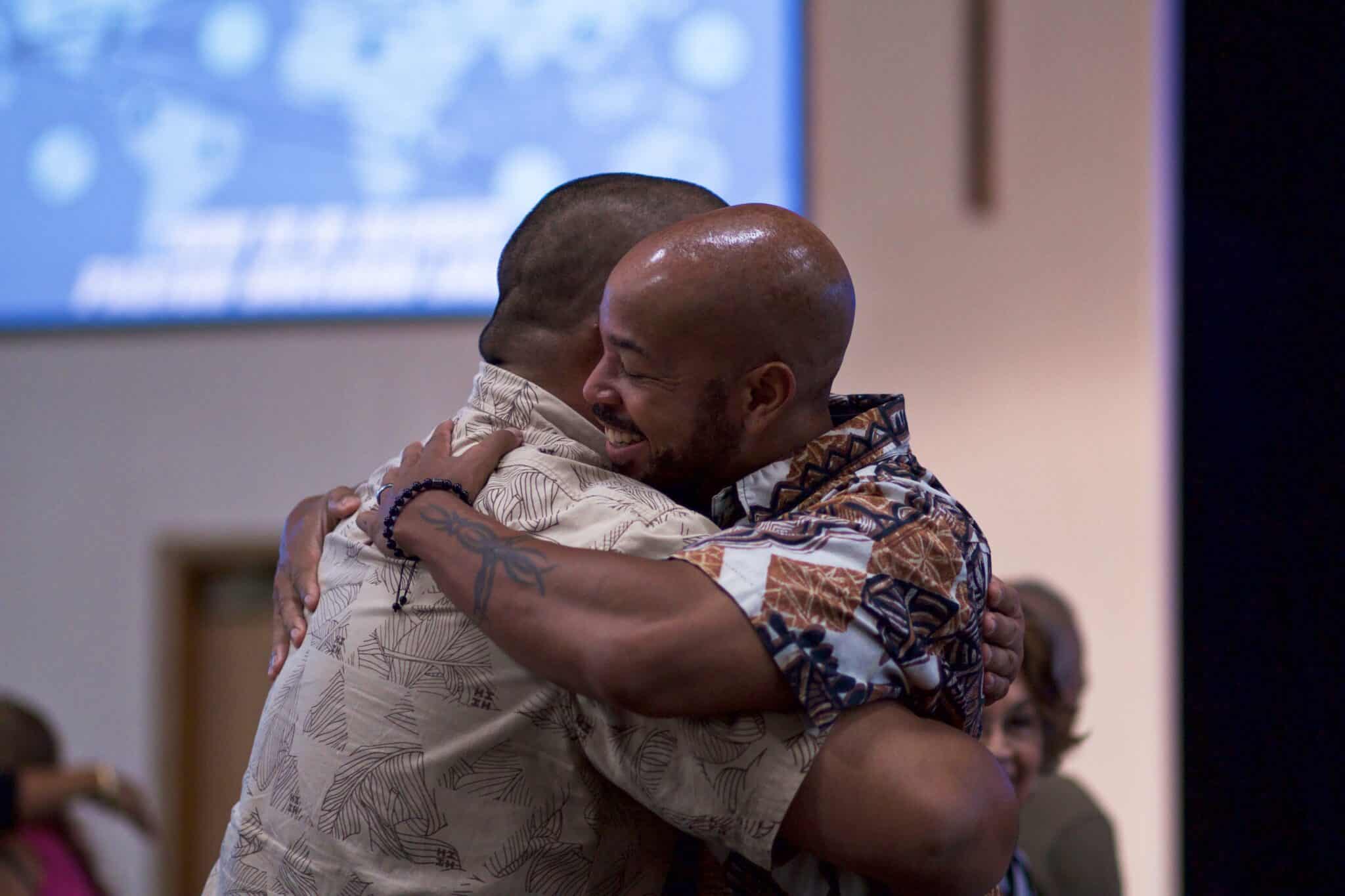
If a social order allows and encourages, and even mandates, good connectedness between people and creation, people and events, people and people, people and God, then we have a truly sacred culture: the Reign of God.

The most authentic sign of God’s grace—and a modern miracle—are the simple words, “I confess . . . I’m sorry,” spoken from a repentant heart turned toward God.

God is at work in the most unlikely of ways, and in people we may least expect to change. Repentance like that was—and is—the mission of Jesus.
The Franciscan tradition has always seen all creation as the footprints and fingerprints of God and therefore sacramental.

It’s not up to us to determine where we belong in the heavenly celebration. It’s up to God to do that. Our role is to allow God to give us the place that is appropriate for us.

We are encouraged to welcome strangers, for by doing so, many people have entertained angels unaware (see Hebrews 13:2)
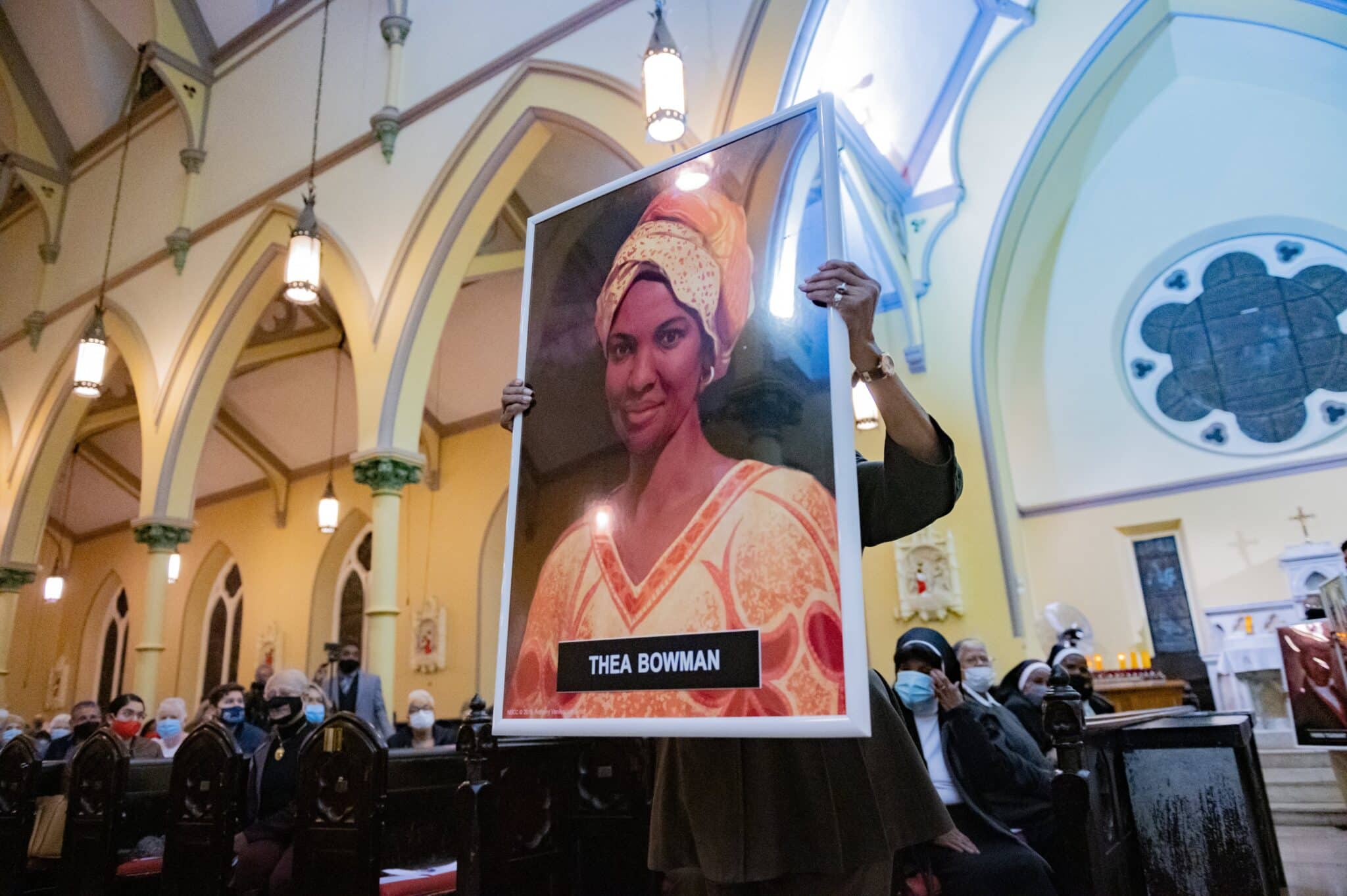
Sister Thea Bowman was a source of light in an often dark world.