Communion Call
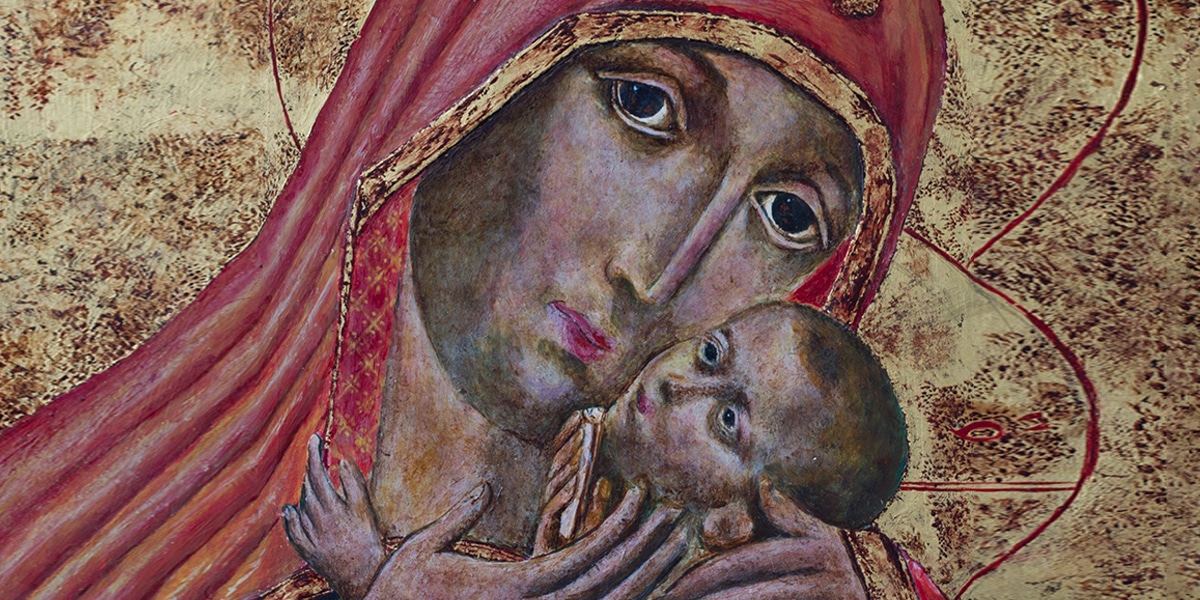
Stand in the winter’s cold Where the warmth of animals surrounds the mother’s love.

Stand in the winter’s cold Where the warmth of animals surrounds the mother’s love.

Joseph is the silent figure in the Christmas stories. We never hear him speak; his annunciation—in Matthew’s Gospel—narrates Joseph’s story without giving us any of his words.

The incarnation is at the heart of our faith, and what we celebrate in this season.

For many people living in the United States, 2025 has felt like an unrelenting freefall, but rather than despair, people of faith are compelled to

Many people equate the holiday season with presents and material goods. We must remember, though, that the true focus of the season is the gift of Christ’s birth.

May a Catholic give or invite a non-Catholic to receive holy Communion? Wouldn’t that promote our efforts toward ecumenism?

Throughout this canticle, we have seen how Francis saw God’s goodness, radiance and beauty in all creatures. He saw them indeed as benevolent friends, as
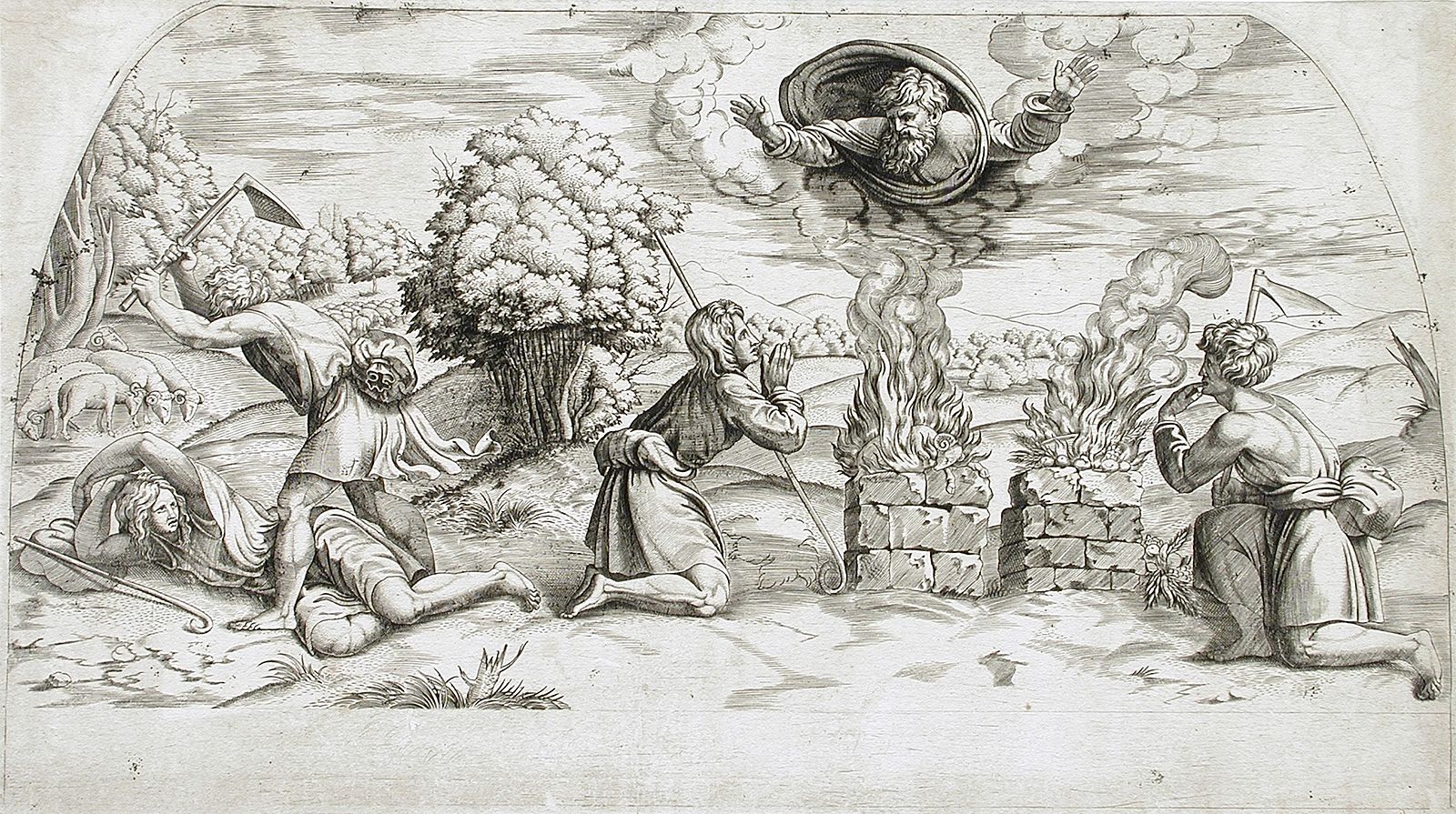
Cain killed his brother, Abel, out of jealousy because God accepted Abel’s sacrifice, “the firstlings of his flock, their fat portions,” but not Cain’s from “the fruit of the soil” (Gn 4:3–5, New Revised Standard Version). Why?

A new thriller about the Nuremberg trials held to prosecute high-ranking Nazi Germany officials following World War II wrestles with the capacity of ordinary men to commit extraordinary evil.
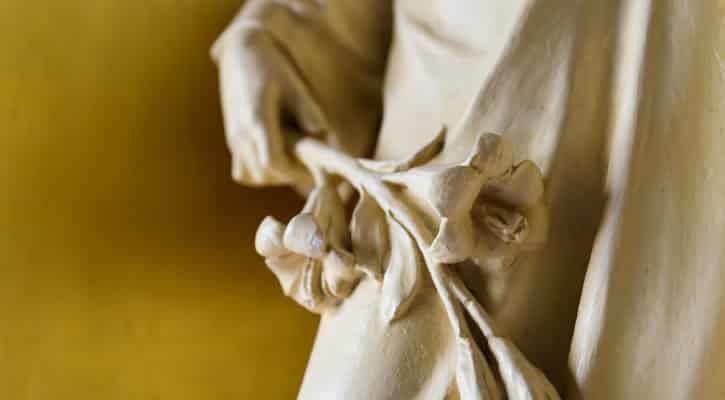
On March 19, we celebrate Saint Joseph, husband of Mary. On May 1, we celebrate Saint Joseph the Worker. Why are there two feasts for the same saint?
The worldwide Church has long honored St. Joseph, and his feast entered the worldwide calendar in 1324. The feast of St. Joseph the Worker was added in 1955.