Lent with St. Francis: Limitations
There’s something attractive about being able to reinvent ourselves. It’s difficult, though not impossible, to do this if we stay in the same place with the same people all our lives.

There’s something attractive about being able to reinvent ourselves. It’s difficult, though not impossible, to do this if we stay in the same place with the same people all our lives.
We like to think that the origins of our holy people are shrouded in mystery, in part because it allows us to set them apart as different from us. This gives us a built-in reason not to emulate them too closely.
Does our outward appearance accurately portray our inner attitude? In some measure, the disciplines of Lent—prayer, fasting, almsgiving—help us to bring these two closer together. But we need to be mindful that we don’t take this too far.
More and more people work at occupations that make few physical demands. While there will always be jobs that involve manual labor, not everyone can enjoy the satisfaction that comes with seeing a concrete result from physical work.
Not everyone wants to be well. Too often we become invested in our own weakness, our own sickness. It seems we would rather complain than deal with the responsibility of being healed.
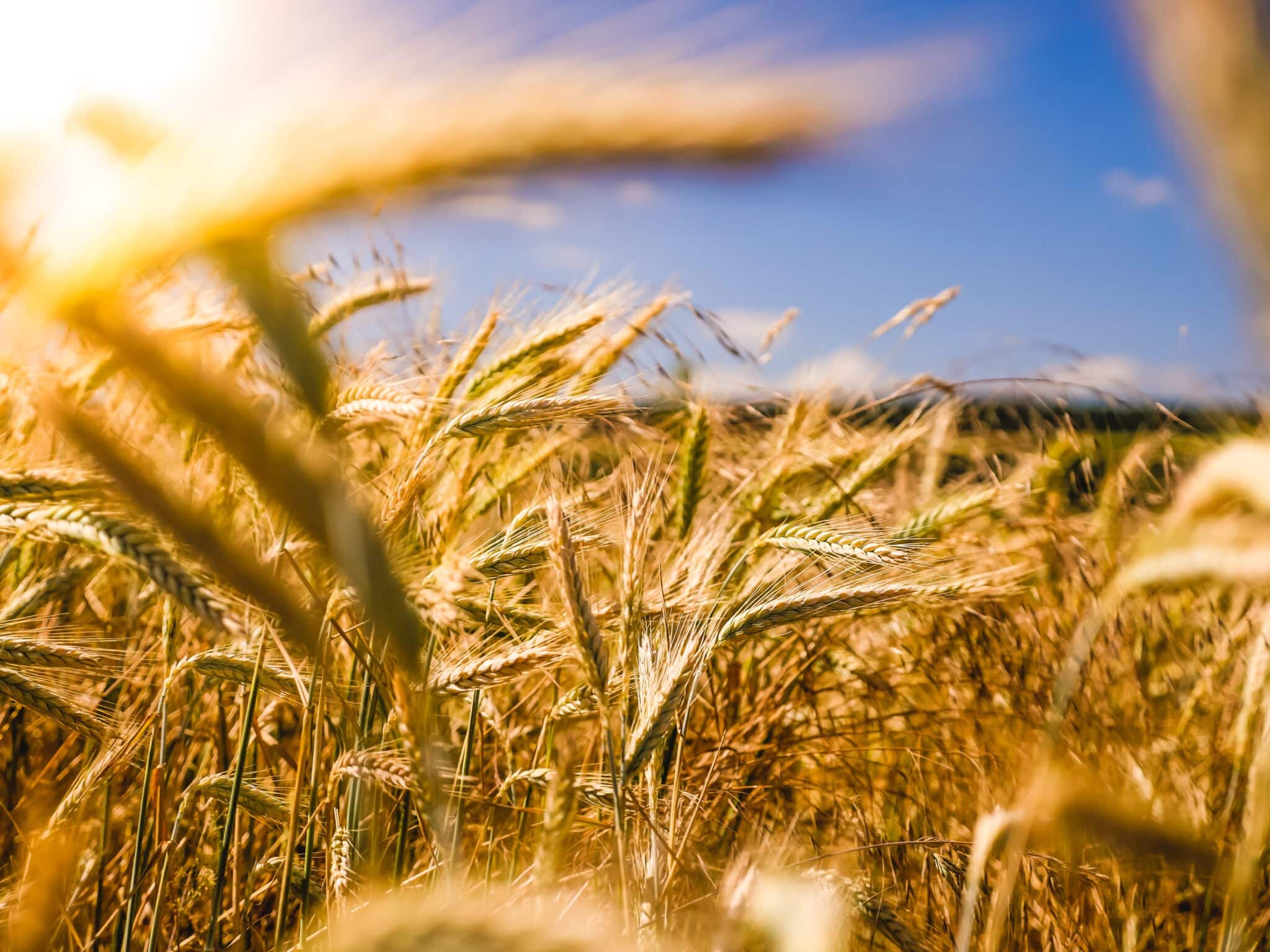
In this week’s Gospel, Jesus uses the example of a grain of wheat to remind us how to live our best life.
Francis strenuously denied the suggestions that he was a saint. He kept hidden the marks of the stigmata. He refused to let people attribute miracles to him.
In today’s reading from Isaiah, God promises his people a new beginning. After our cleansing, after the self-gift of Jesus, comes new life.
We see light instead of darkness, and in that light we discover a side of ourselves that we thought we had lost. We look with new eyes on the people around us and see how they, too, are children of God.
True humility is knowing so well who we are in God’s loving sight that nothing anyone says or does can shake us.