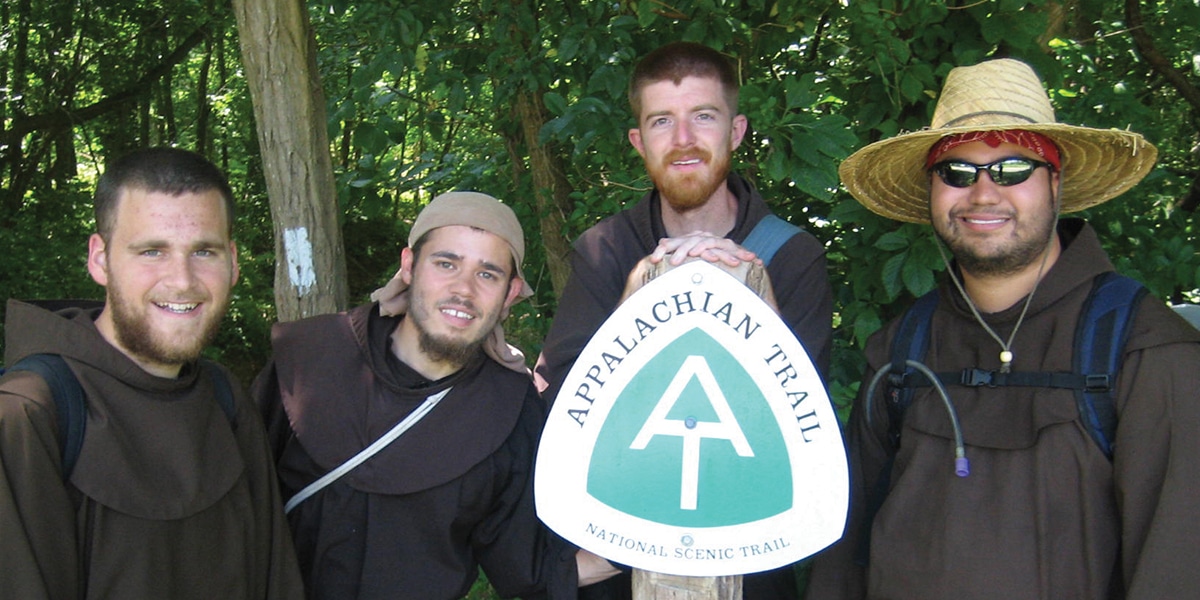
Becoming a Friar
Many people—still living or long dead—guided me to the Franciscans. This is my vocation story.

Many people—still living or long dead—guided me to the Franciscans. This is my vocation story.
Thursday of the Second Week of Lent | Readings: Jeremiah 17:5–10; Luke 16:19–31
Thursday After Ash Wednesday | Readings: Deuteronomy 30:15–20; Luke 9:22–25
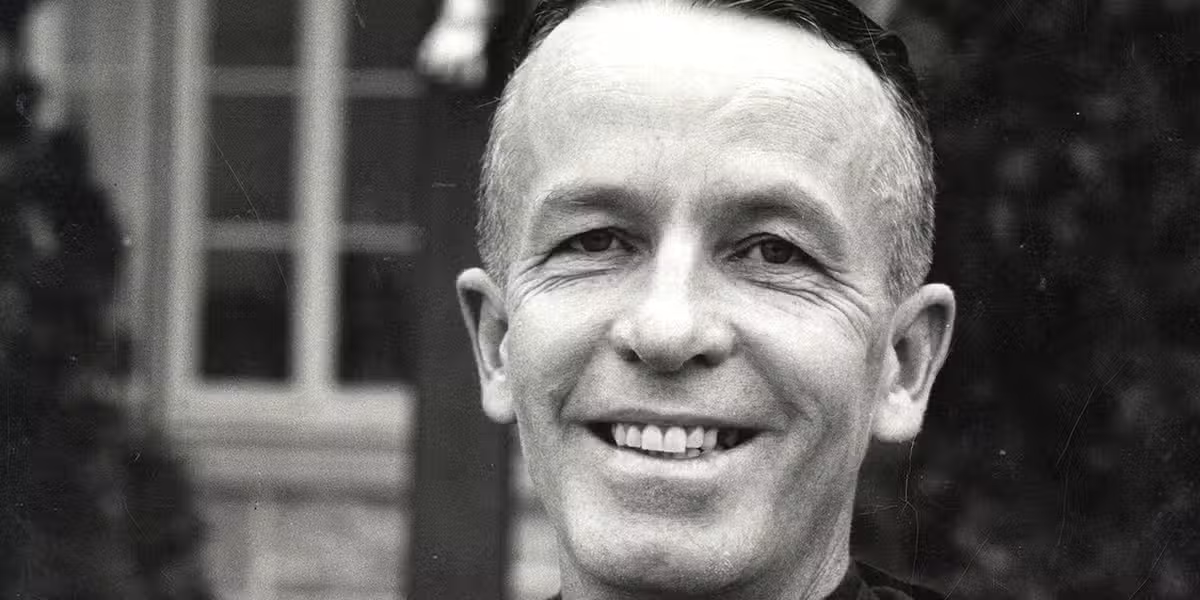
After saving 14,000 refugees during the Korean War, Brother Marinus captain turned monk is being considered for sainthood.
A lot of people have questions about heaven, hell, and purgatory. To better understand hell, let’s review a bit. Everything about God and us centers on relationship. Heaven is complete and perfect union with God for eternity. Purgatory is union with God (through sanctifying grace), which is imperfect and incomplete.
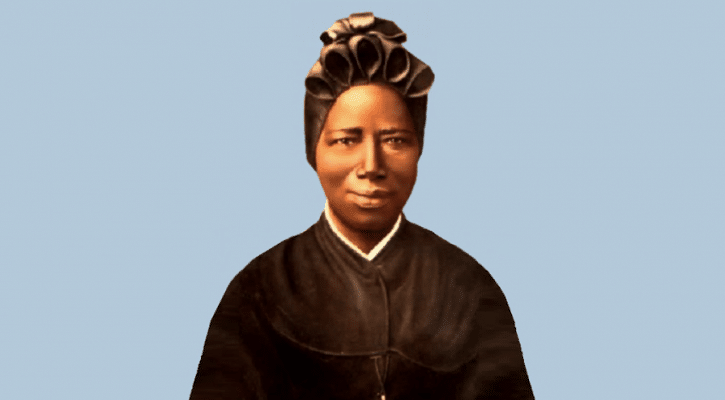
The story of St. Josephine Bakhita remains a very moving testament to God’s providential hand on all who are called to do God’s great work. Although God’s work is often found in what some may call menial tasks, all work done in the name of the Lord is work of great magnitude in the eyes of God.

Saint Cassian of Tangier models the ultimate Christian act of brotherhood and friendship. His decision to speak up for what is right clearly left him standing alone in the courtroom and later on at his beheading. There were no groups or persons with him to support his choice. There were no character witnesses to speak up for this one who embraced the unpopular Christian faith. Except for the unconditional love of our redeemer, Cassian was alone. With the simple utterance of “I am a Christian,” he was condemned. One might ask why he didn’t remain quiet.

Sister Rosemary Nyirumbe’s been featured in Time magazine and on CNN for her humanitarian work, but her faith, not fame, is what fuels her efforts to rescue abducted girls in South Sudan and Uganda.

It is a venerable Christian tradition to turn in prayer to Anthony of Padua—and to other saintly men and women already enjoying the glorious presence of God.

Elizabeth Seton had no special gifts. She was not a mystic or stigmatic. She did not prophesy or speak in tongues. She had two great devotions: abandonment to the will of God and an ardent love for the Eucharist.