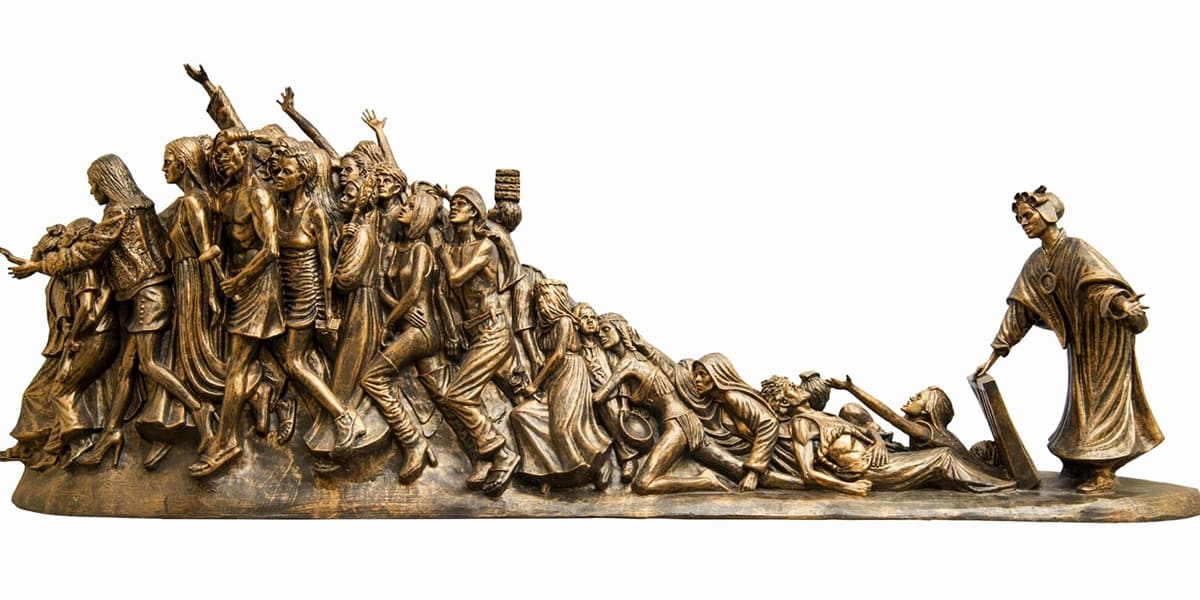
St. Josephine Bakhita—A Model of Faith
Her kidnappers gave her the name Bakhita, meaning “fortunate. ” Her life in captivity wasn’t quite so. Born in Darfur in 1869, Josephine Bakhita was taken by Arab slave traders when she was 9.

Her kidnappers gave her the name Bakhita, meaning “fortunate. ” Her life in captivity wasn’t quite so. Born in Darfur in 1869, Josephine Bakhita was taken by Arab slave traders when she was 9.
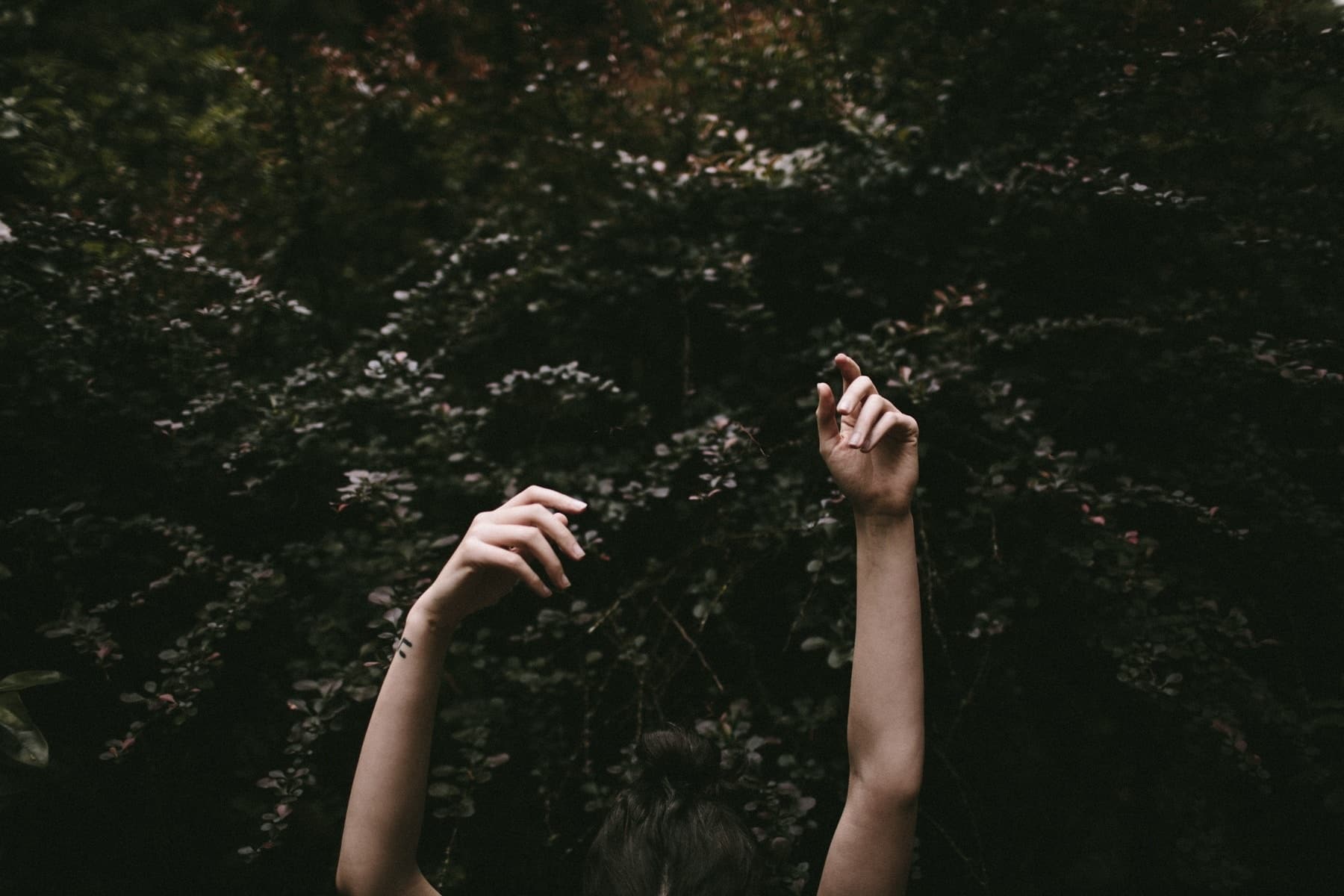
Each of us longs for harmony. We feel it deep within us, the instinct to live free of shame, naked and vulnerable before our God and the world. We long to know ourselves fully and not be afraid of who and what we are. It is the map back to Eden imprinted on our souls and desired by our flesh. We long to know what it meant to be woman when we were Eve—to have that relationship with God, with man, with ourselves. Eden’s blessing calls us, and we spend our lives, if we are pursuing God earnestly, trying to unravel what it means to be Eve, to live naked and unashamed before him.
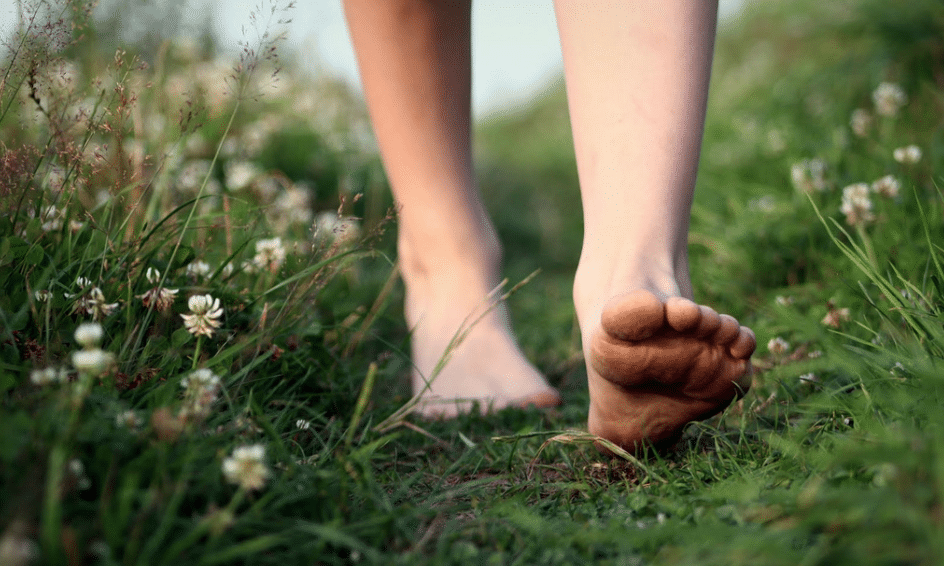
When God sees woman, what he sees is not simply spirit, but her physical body, itself a reflection of him. In the physical existence of woman, God’s longing for a relationship with the created world and his desire for the good of humanity are met, and he is able to rest. Woman becomes gift not just to the world, but also to God himself, who finds his last longing fulfilled and rests in his satisfaction.
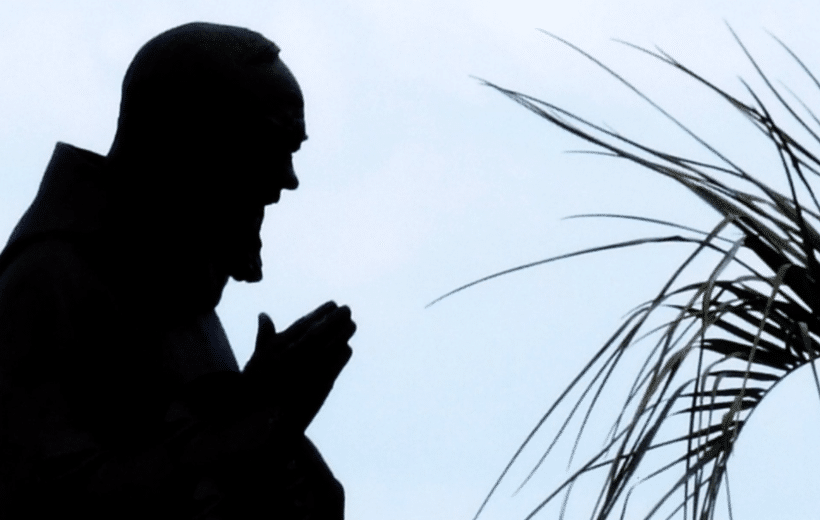
By loving his children, the pilgrims, and all those who approached him, Padre Pio united himself more intimately with God. Those who were rehabilitated by Padre Pio’s union with eternal love could not be amorphous creatures; they had to be dynamic. Padre Pio’s spiritual children could be distinguished from other Catholics by their spirit of altruism, by their disposition to righteousness, by their public and private prayers, by their sacrifices which were known only to God, by their professional honesty, by their serenity and wholesome joy.
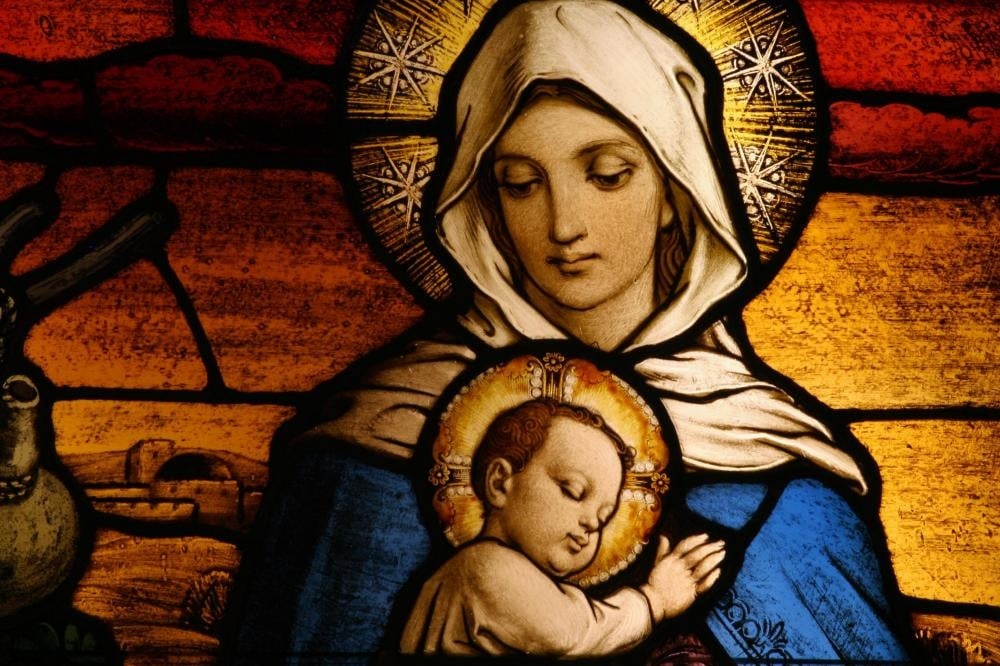
Good mothers want nothing more than to ease the pain of their children. They would rather endure the pain themselves than see their children suffer with it. That is exactly the kind of good mother Mary is—she would rather endure the pain herself than to see us suffer. She cares not only about the fact that the pain is there, but also about how to help us heal from it. She loves us and wants to become the instrument of our healing. And she will, if we allow her.
God looked at the world he had created, teeming with life, stars flung across the heavens, every bird and bug and animal and flower in its most glorious state, the rivers and mountains and valleys and seas, and man—perfect in his reflection of the image of God—he looked at all of that, and saw that it was incomplete, that something was still missing. Before the Lord of the universe could sit back and rest, he longed for one more thing—to bring woman to life.
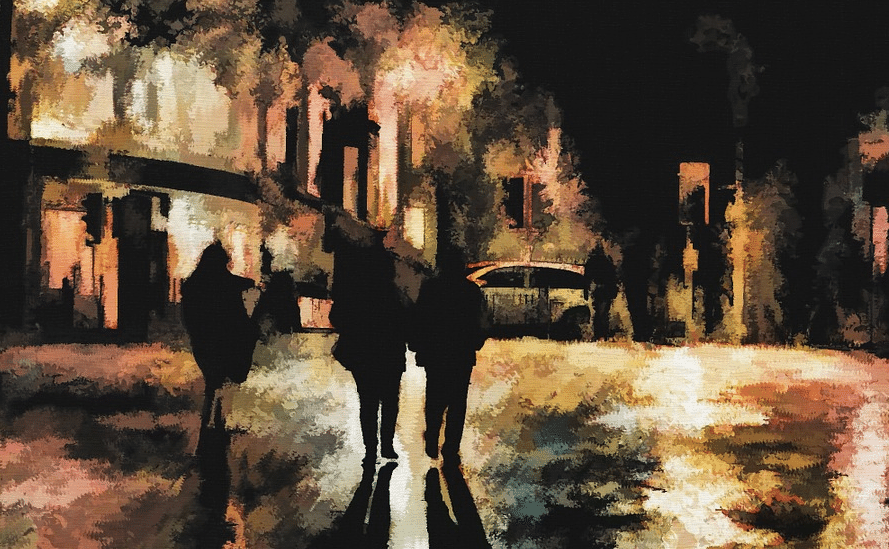
Again and again, Pope Francis reminds us that we’re to go out to meet people where they are, not wait for them to come to church. While he would be the first to remind us that the Eucharist is the source and summit of the Christian life, he also knows that sometimes it’s a long journey to get there. And we can’t wait at the top while people struggle on the way up. We need to join them on the journey. We need to bring Christ to them on the way.
There is no spiritual wellness without the wholeness of a fully integrated body and soul. We cannot pursue spiritual wholeheartedness and intimacy with God living in bodies that bear shame, bodies we have come to see as enemies to our wellness. We were created as body and soul at once, and both aspects of our humanity are marked with the fingerprints of God.
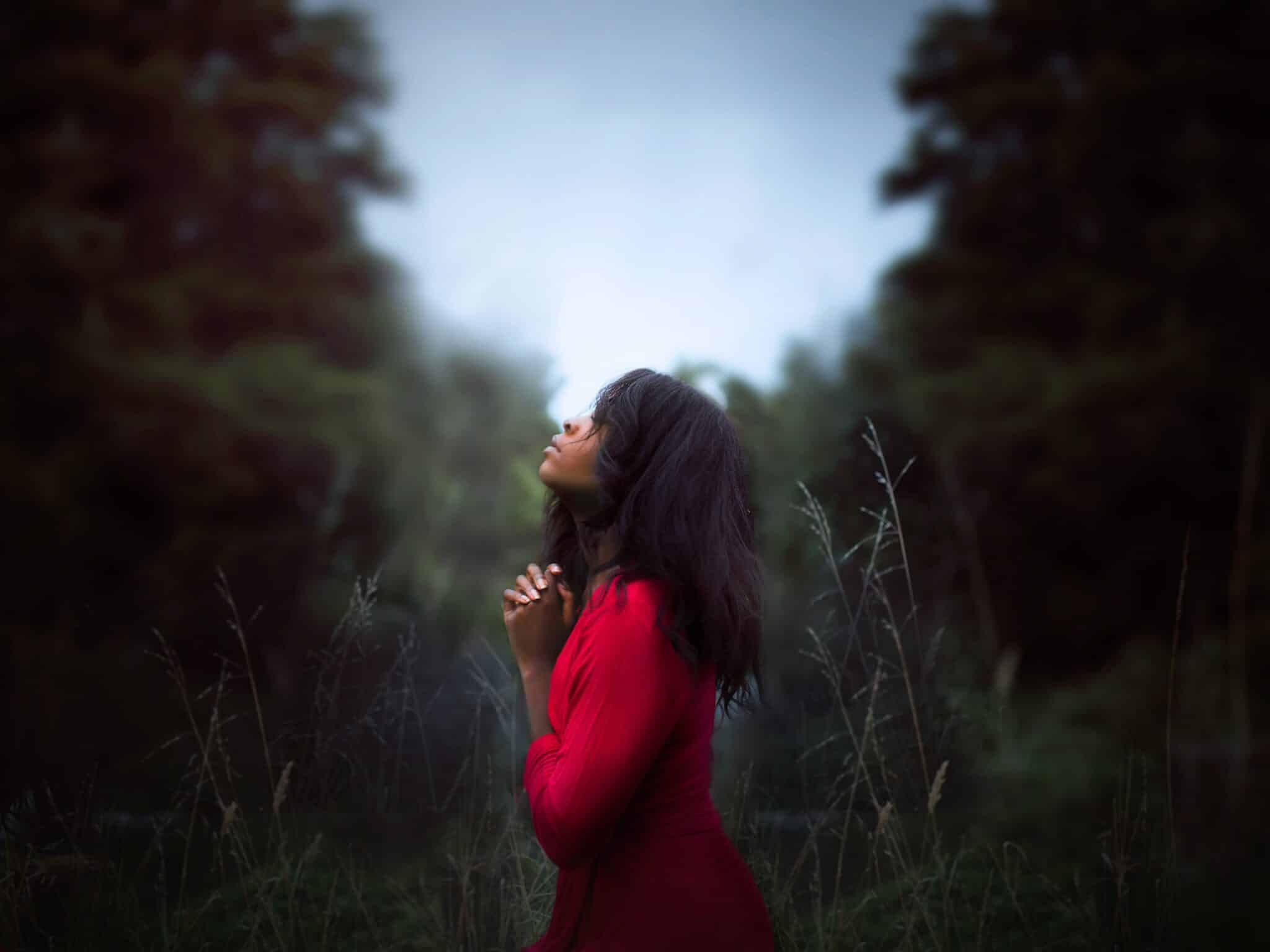
It’s easy to become discouraged that we do not pray as often or with the intensity that Saint Francis had. Yet prayer is the last place where we should compare ourselves to others. We don’t know if another person’s prayer reflects a life already turned over to God’s grace or a life with much to be relinquished to God’s grace. Long prayers are not necessarily better. What matters is the integrity of prayer, the openness the person praying shows to conversion to the Lord’s ways.
We might put things off because we are overwhelmed, lazy, or afraid of failing. A recent survey found that 37 percent of Americans say they have postponed medical changes to save money.