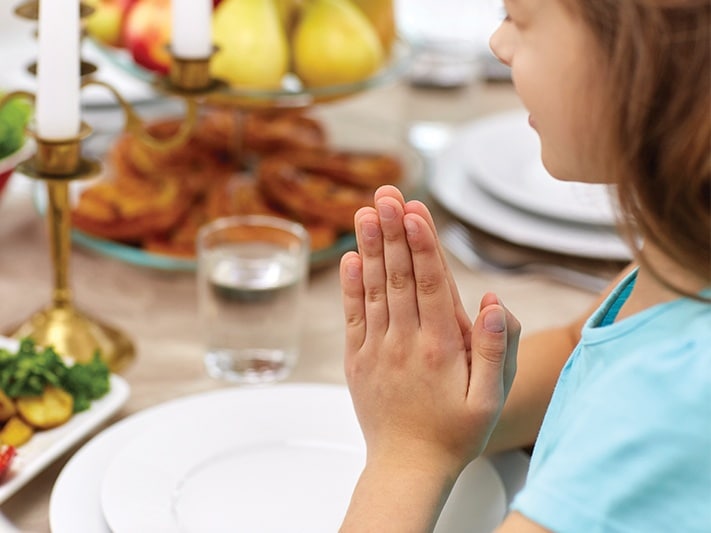
Can Laypeople Give Blessings?
Can someone give a blessing to a sick friend, or a birthday blessing, a blessing at a meal, or on other occasions? Does the person need the permission of the local bishop?

Can someone give a blessing to a sick friend, or a birthday blessing, a blessing at a meal, or on other occasions? Does the person need the permission of the local bishop?
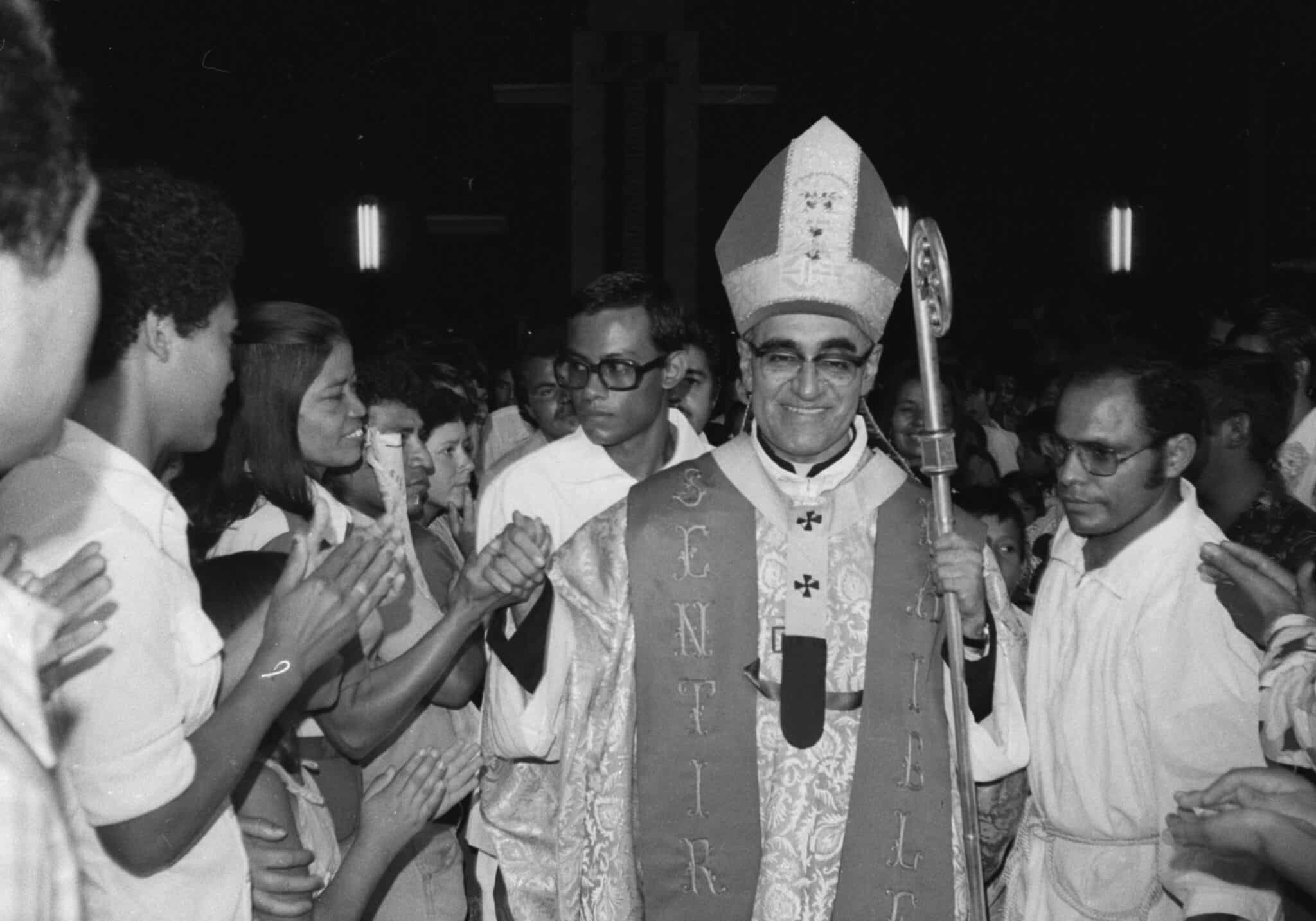
“The hope that our Church encourages,” said Romero, “is neither naïve nor passive. It is rather a summons from the word of God for the great majority of the people, the poor, that they assume their proper responsibility.… And it is support, sometimes critical support, for their just causes and demands. The hope that we preach to the poor is intended to give them back their dignity, to encourage them to take charge of their own future.”
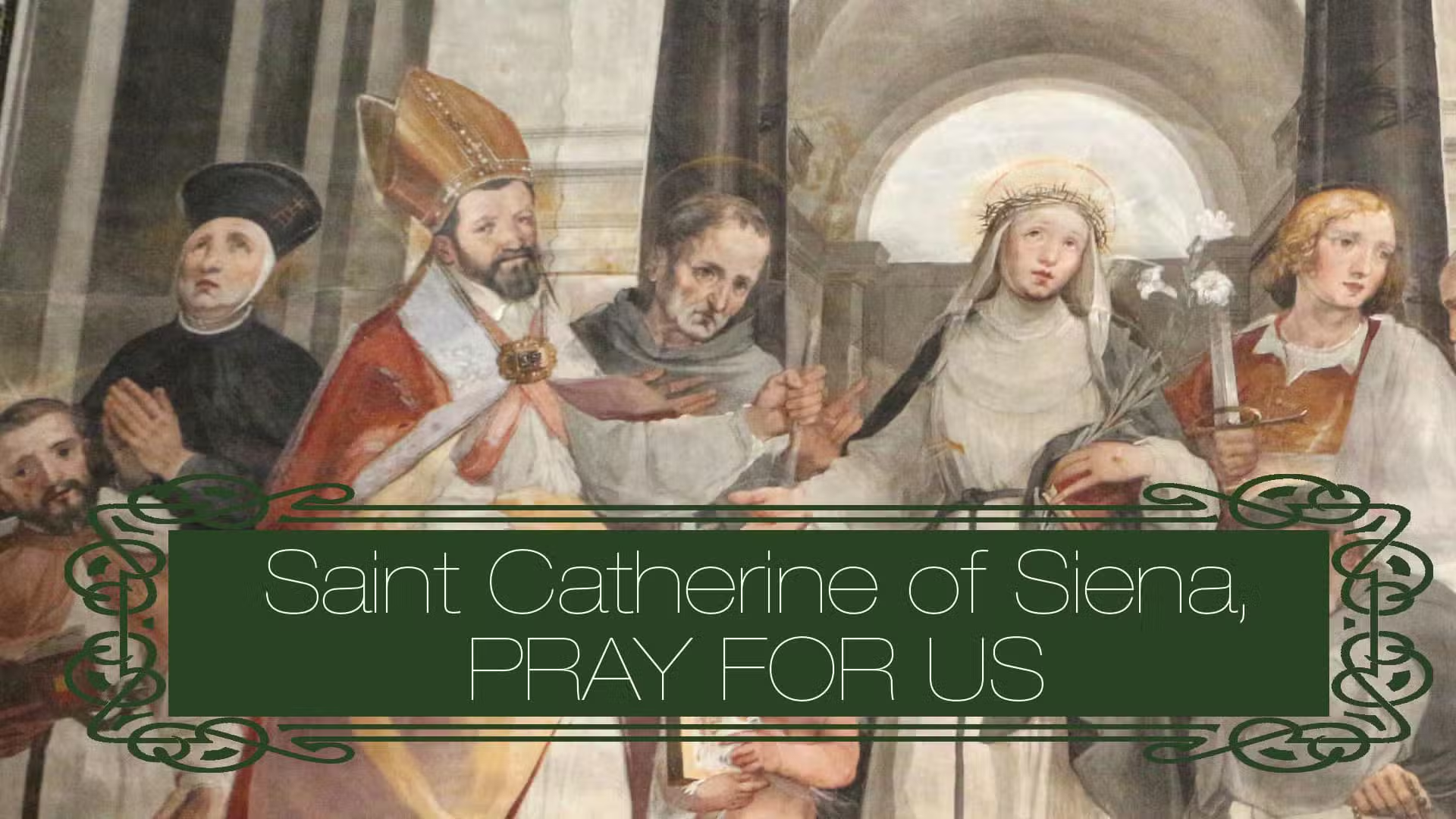
Some of our most beloved saints wouldn’t take no for an answer. Catherine of Siena, a Doctor of the Church and one of the most influential women in Catholic history, is one of those saints.
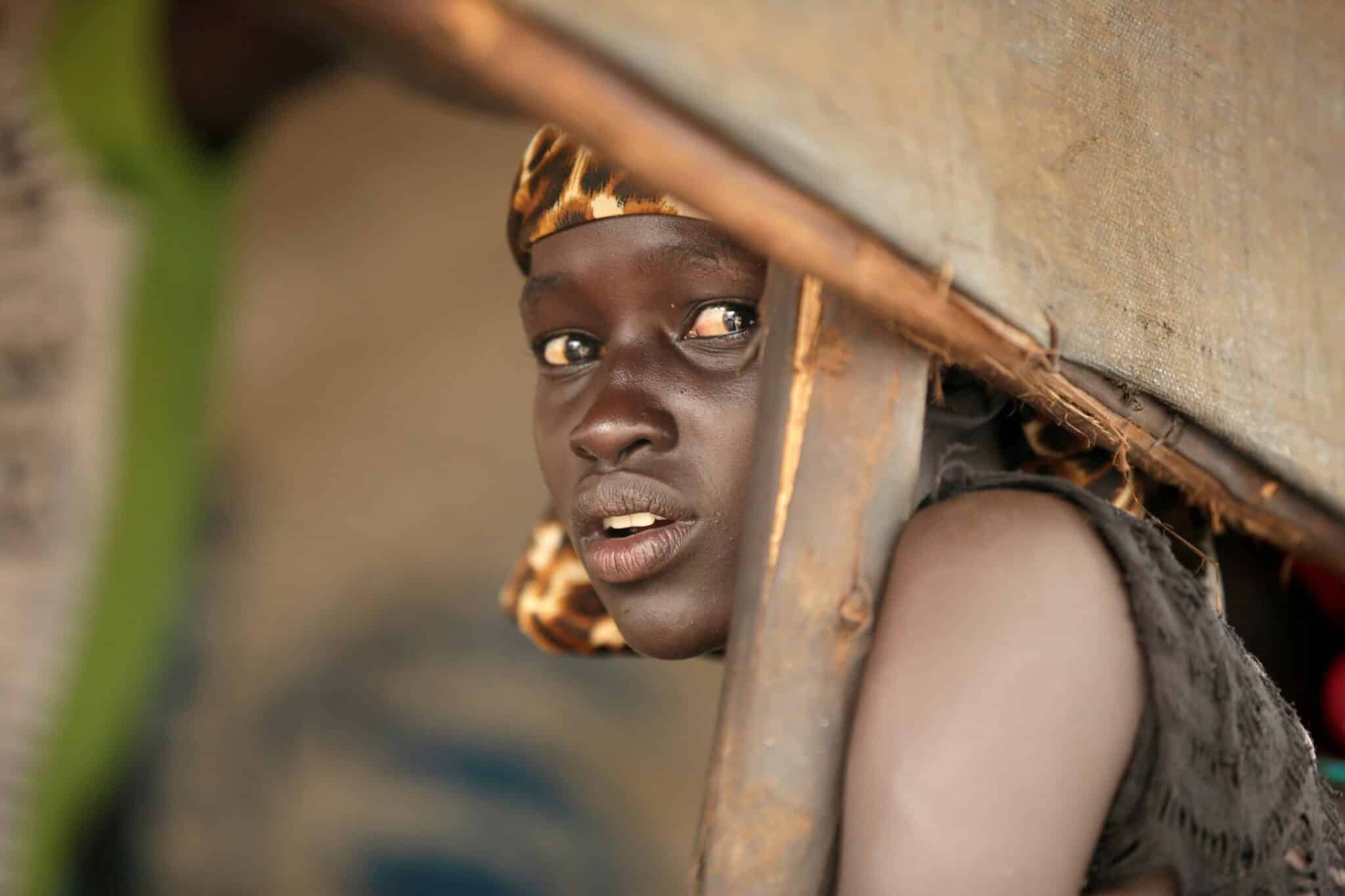
Oscar Romero reminds us: “The face of Christ is among the sacks and baskets of the farmworker; the face of Christ is among those who are tortured and mistreated in the prisons; the face of Christ is dying of hunger in the children who have nothing to eat; the face of Christ is in the poor who ask the church for their voice to be heard. How can the church deny this request when it is Christ who is telling us to speak for him.”
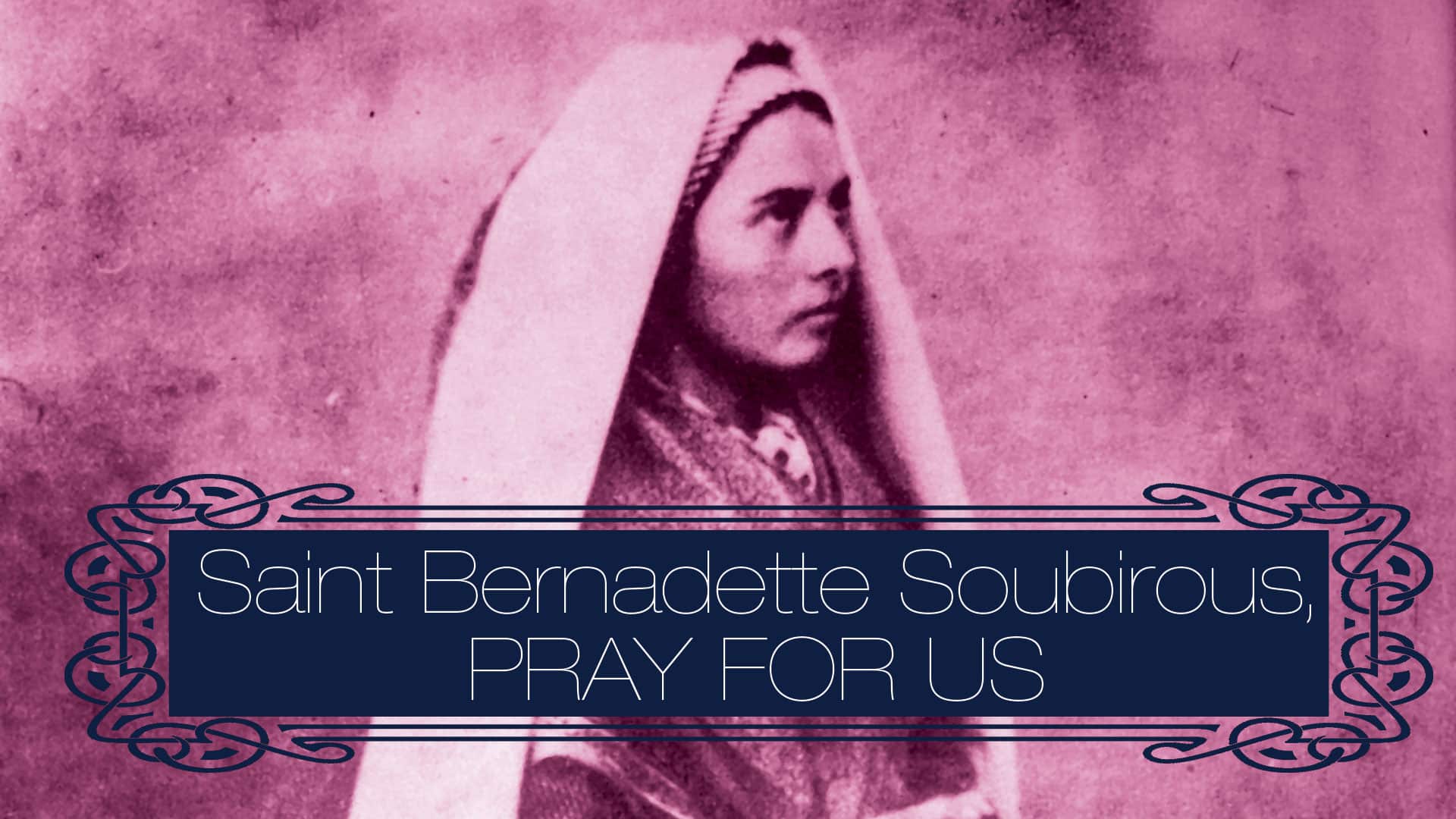
We all know the story of how Mary appeared to Bernadette Soubirous, a simple girl of fourteen, at Lourdes. But what sometimes gets lost in the story is Bernadette’s strong faith. Her statements were challenged over and over again by Church officials and local authorities who attempted to catch her in lies and contradictions.
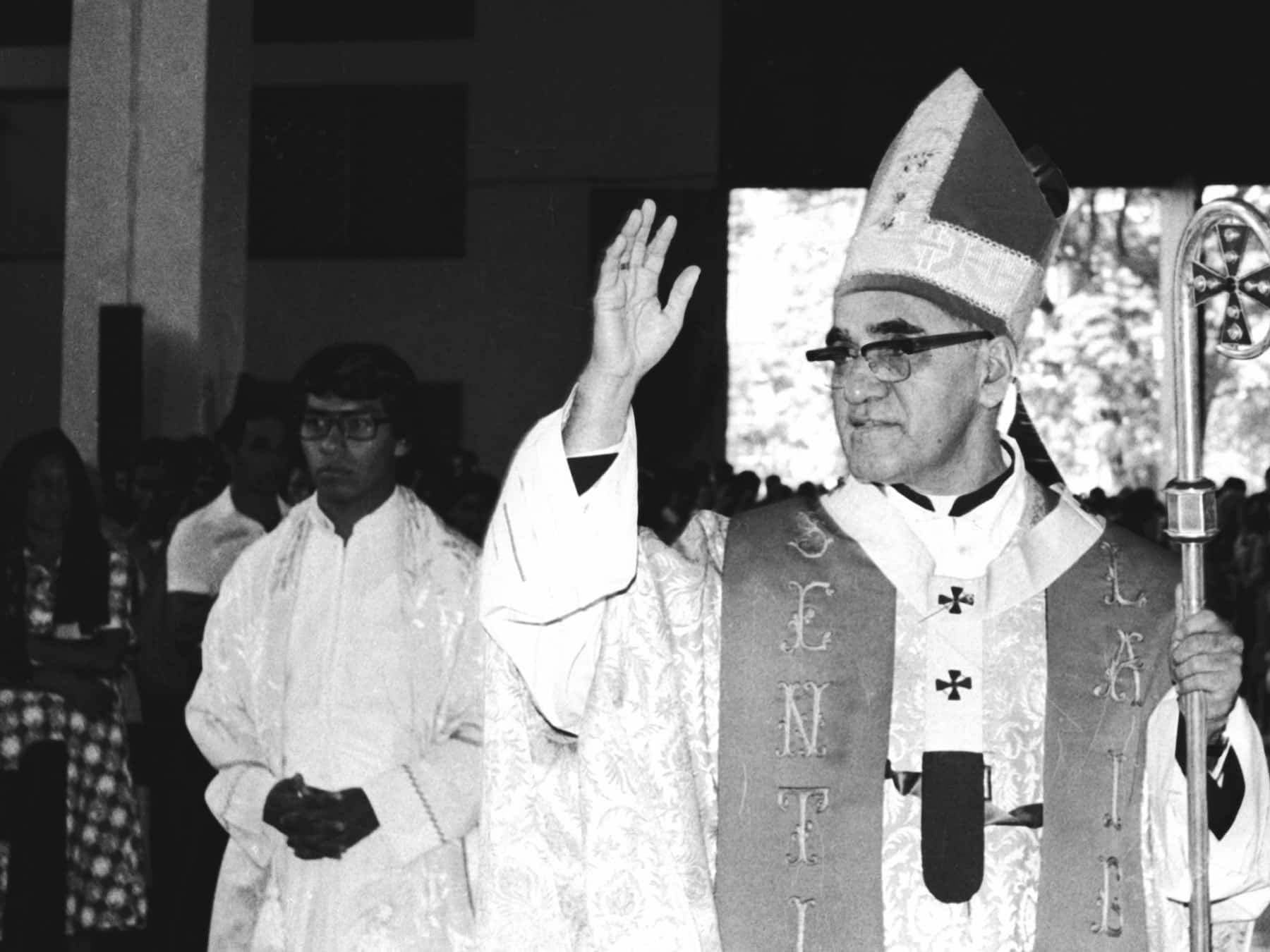
A revolution motivated by the power of love instead of arms, a revolution that seeks not the overthrow but the conversion of society: This became Romero’s focus during his final three years as archbishop of San Salvador. For the ruling elite, conversion meant the softening of their stony hearts and an embrace of the biblical truth that all people are equally beloved by God and equally deserving of the world’s resources.
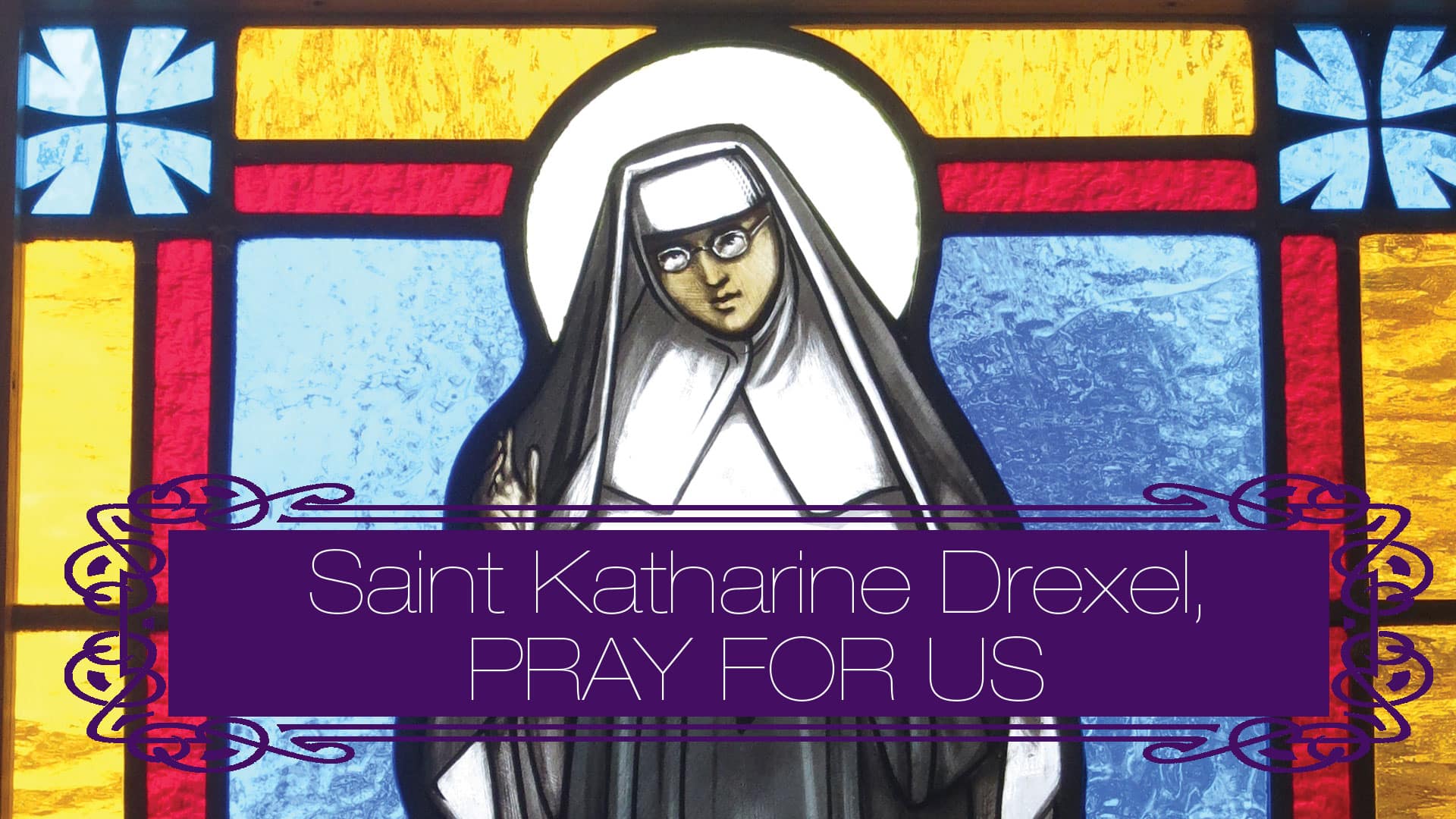
St. Katharine Drexel was socially conscious, donating large amounts of money to help the less fortunate.
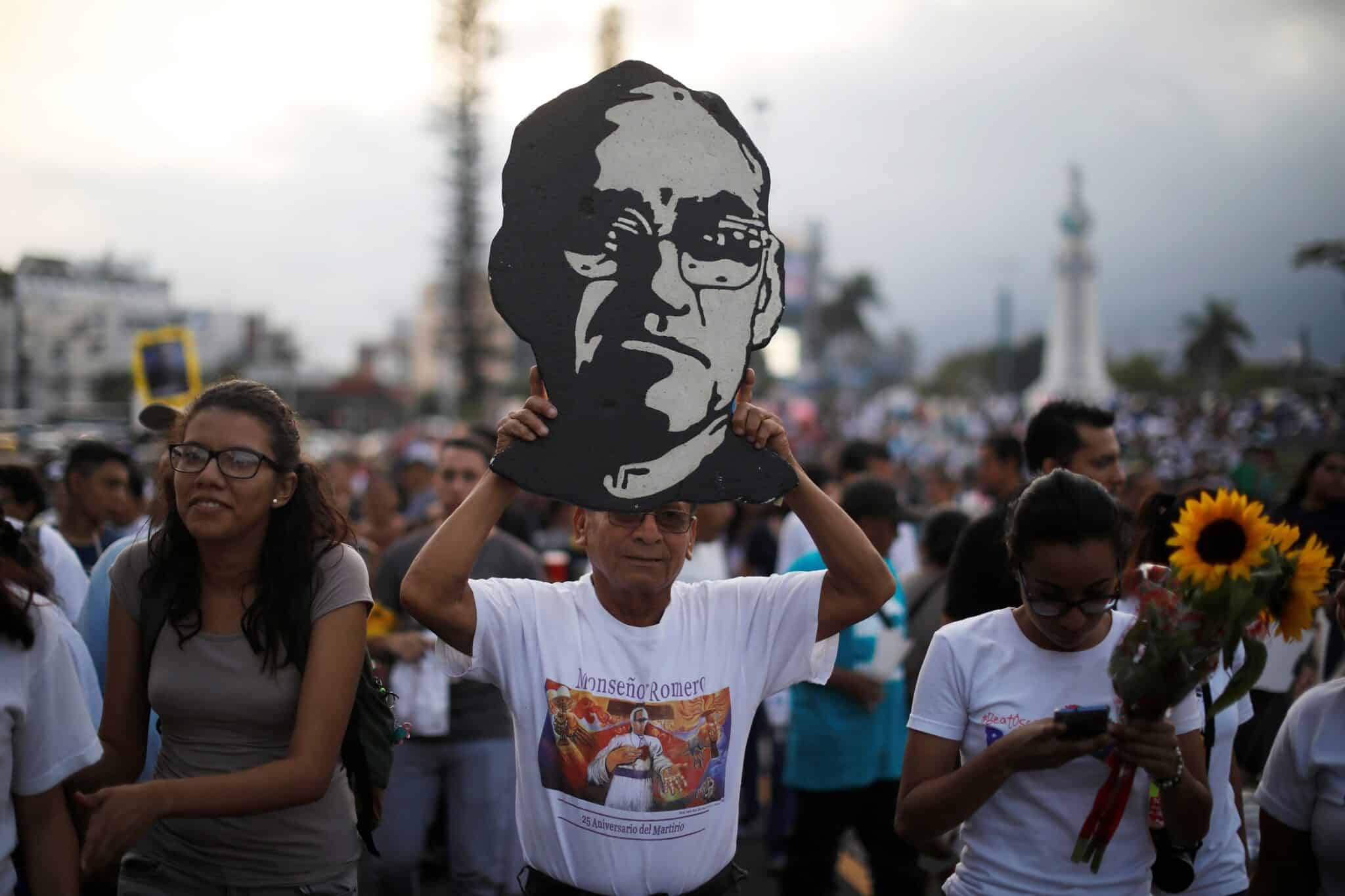
The priest’s task is to bring the people to God, and the prophet’s to bring God to the people. The martyr’s unique role is to display a devotion to God and the Kingdom so boundlessly loving that it reignites in the rest of us a faith that may have grown tepid or even cold. We look to the martyrs to remind us that some things are worth sacrificing our lives for, but that the love which motivates us to make those sacrifices is more powerful than death itself. This is the great truth embodied in the resurrection, and every individual martyrdom, including Romero’s, is a reflection of it.
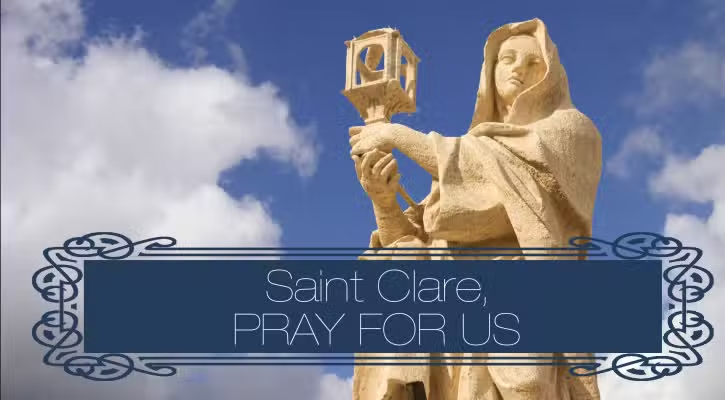
Louise de Marillac and Vincent de Paul. Paula and Jerome. Teresa of Avila and John of the Cross. It’s not unusual for women saints to have had non-romantic ministry. Much like Saints Francis and Clare of Assisi.
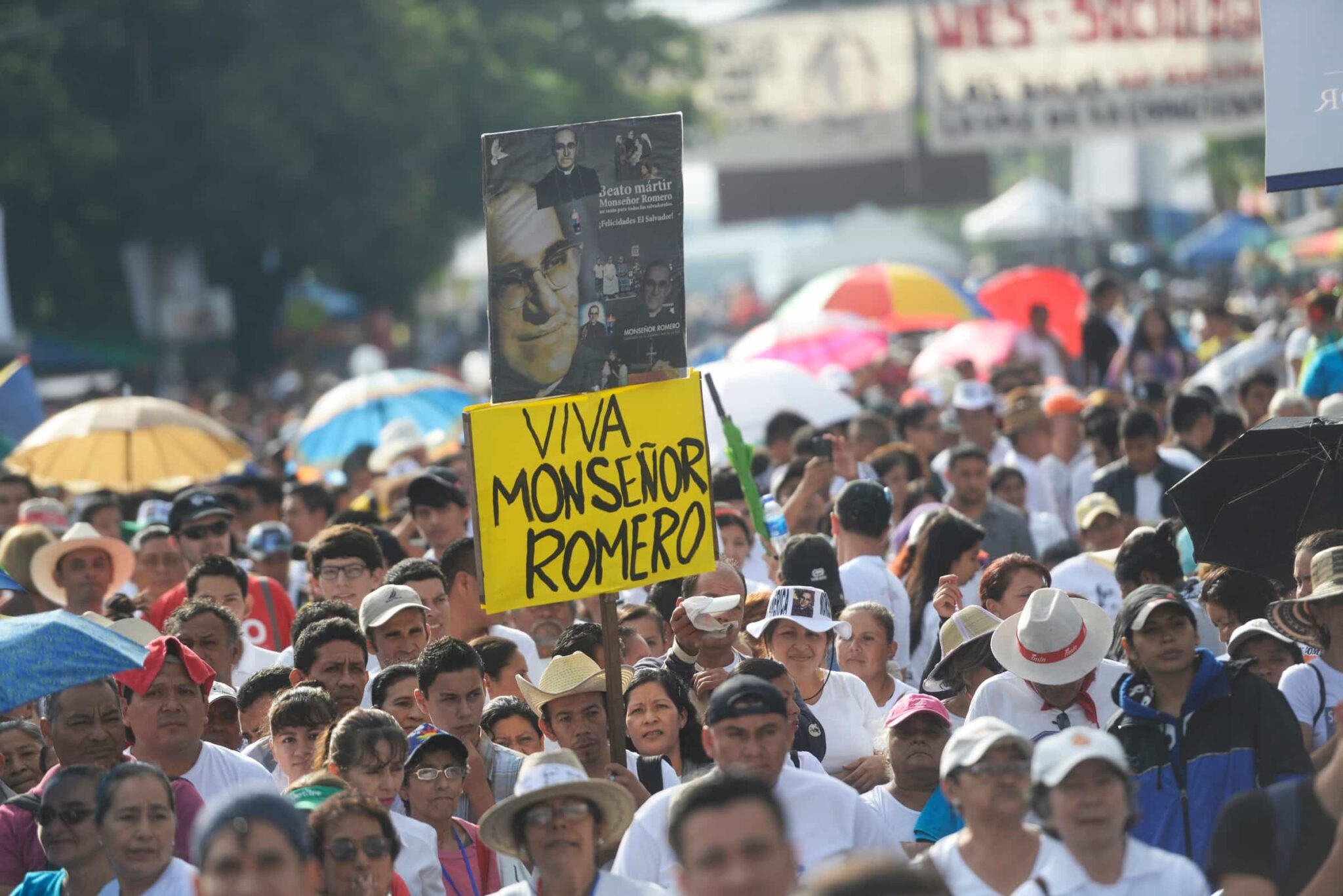
Romero was clear in his own mind and conscience that he was doing Christ’s work, not playing power politics. “We not only read the Bible, we analyze it, we celebrate it, we incarnate it in our reality, we want to make it our life. [Our goal is] to incarnate the Word of God in our people. This is not politics. When we point out the political, social, and economic sins in the homily, this is the Word of God incarnate in our reality, a reality that often does not reflect the reign of God but rather sin. We proclaim the Gospel to point out to people the paths of redemption.”