
Film Reviews with Sister Rose
Sister Rose Pacatte, FSP, reviews Instant Family, Gosnell: The Trail of America’s Biggest Serial Killer, and Creed II.

Sister Rose Pacatte, FSP, reviews Instant Family, Gosnell: The Trail of America’s Biggest Serial Killer, and Creed II.

We need to reawaken the art and discipline of what it means to “taste and savor.” Instead of swallowing our food almost whole, we may have to ruminate upon it as we ought to do with a favorite text. When a dish is as delightful to see as it is to eat, it ought not to embarrass us to ask for a second helping. Rather than rushing to leave the table, we may discern that slower eating is as necessary for bodily nourishment as slower reading is for spiritual enlightenment.
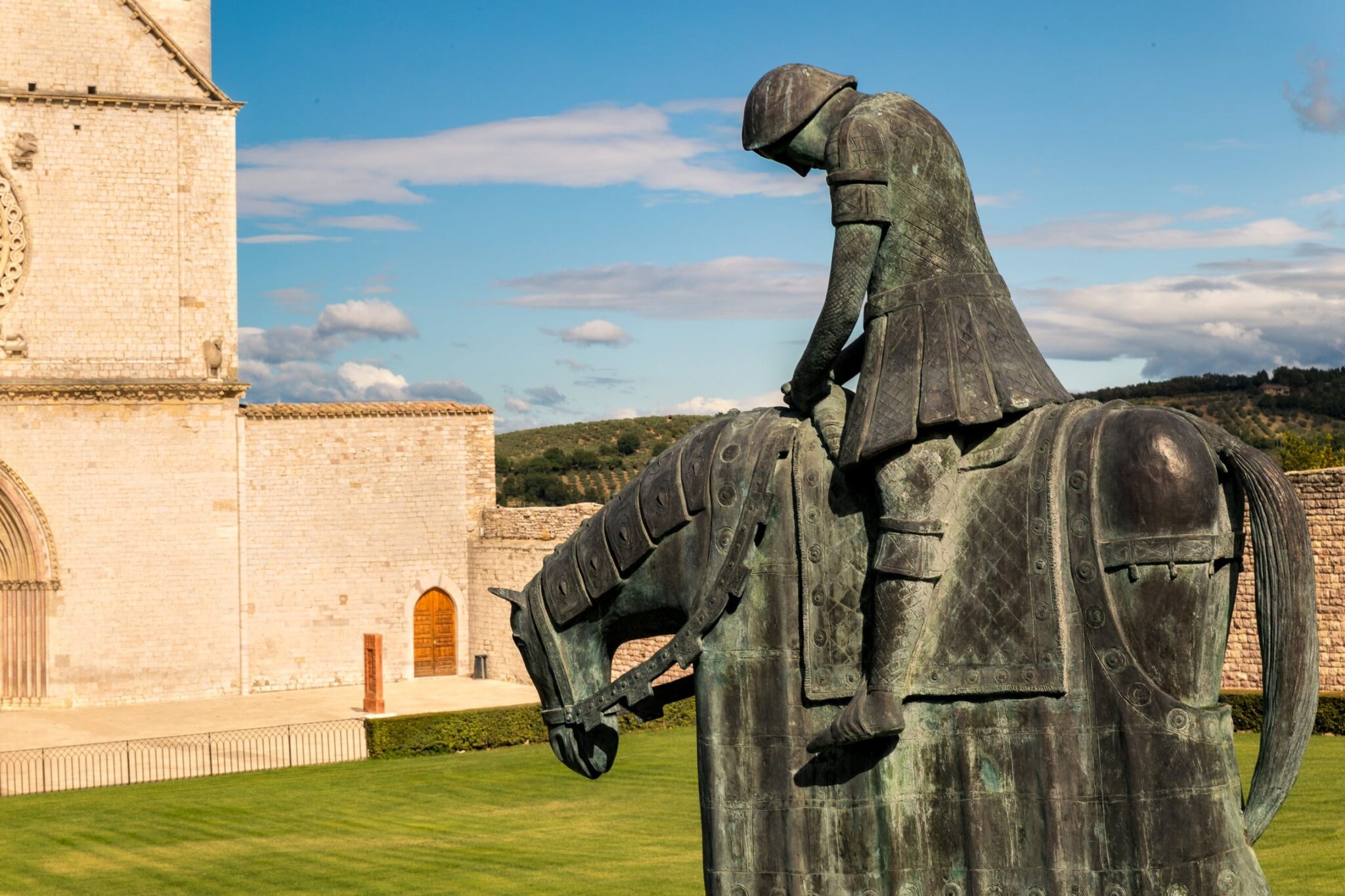
Francis was a man born of wealth, a leader who dreamed of knighthood and who went to war on a high steed only to be brought low to the earth in defeat and imprisonment that marked him with what has been the fate of countless soldiers and prisoners of war throughout the centuries.
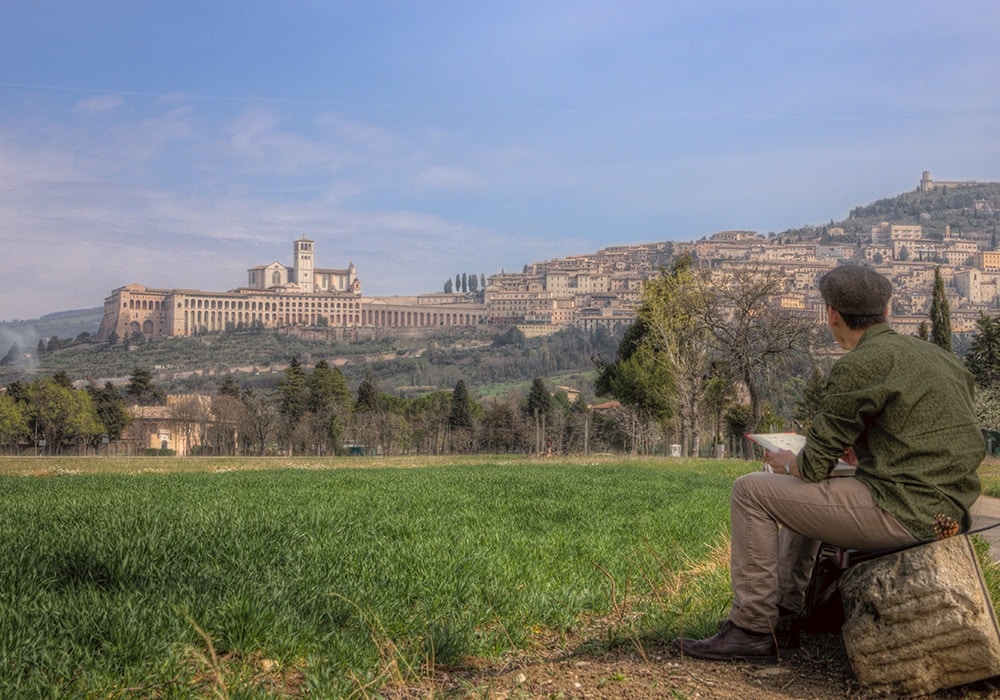
The teachings of St. Francis enable us to imagine another future that gives us hope; for hope is the grace to imagine a future more positive, more loving, and more joyful than the world we now find ourselves in. As St. Francis used to say to his brothers, “Let us begin to do good, for up to now we have done nothing.”
— from the book Surrounded by Love: Seven Teachings from Saint Francis

It can be agonizing to share what is deepest within you but then be met by apathy or rejection.
Being poor does not, in itself, guarantee inner freedom. Poor people can be imprisoned by bitter and resentful feelings. To become spiritually free, we must first become poor in spirit by trusting God, no matter what life brings. To be poor in spirit requires an attitude of simplicity, as we open our arms and heart, like a trusting child, to our ever present, loving God.

Jesus left no formal religious rule for his followers. The closest he came was his proclamation of the Beatitudes: Blessed are the poor in spirit, the meek, the merciful, the peacemakers…. Francis took to heart this spiritual vision and translated it into a way of life. In various ways, other saints before and since have done the same.
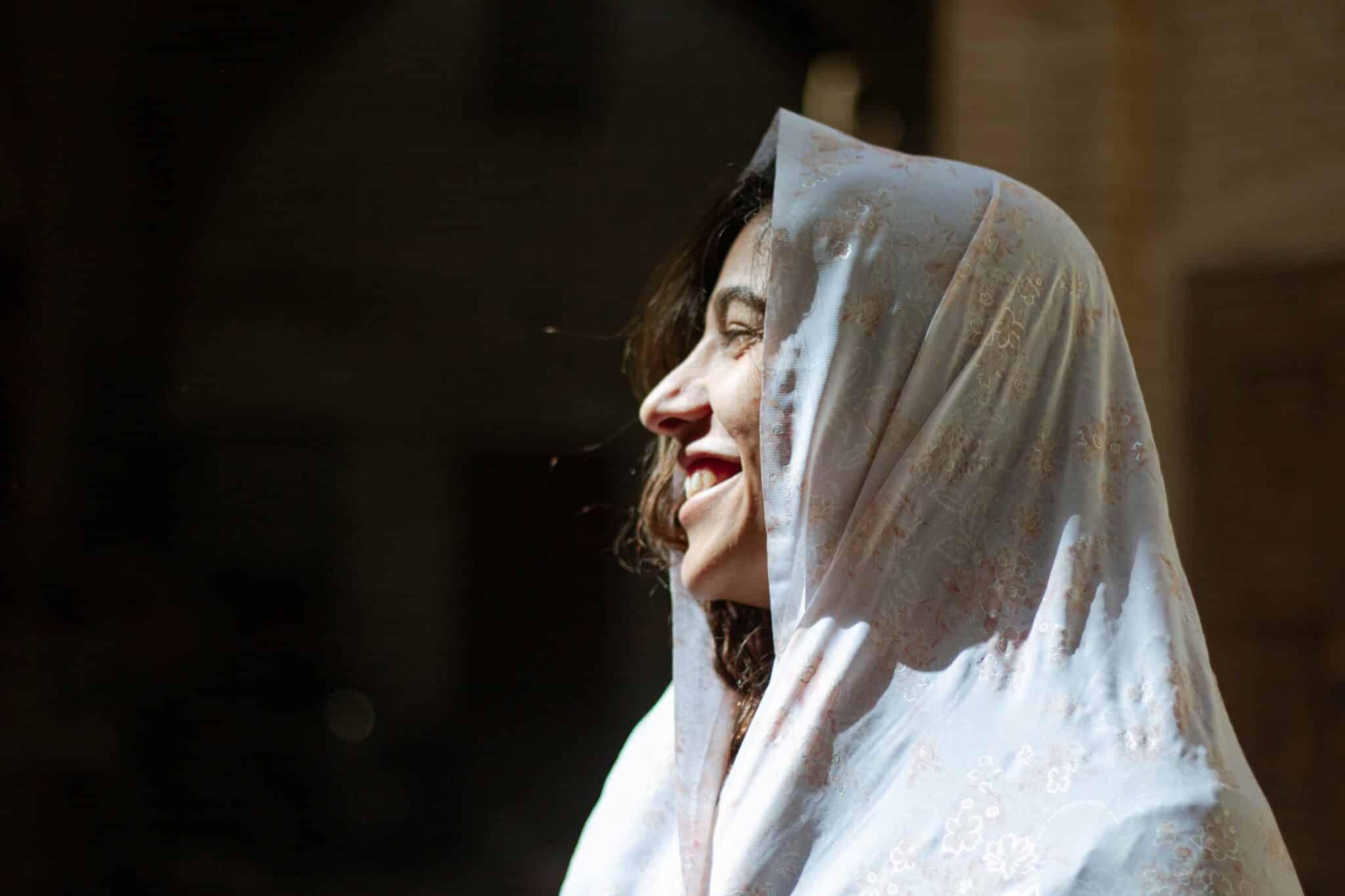
Recently I was standing with my kids in the checkout line at the store when my son, Alex, fixed his eyes on a woman a few lines down, dressed in traditional Muslim attire.
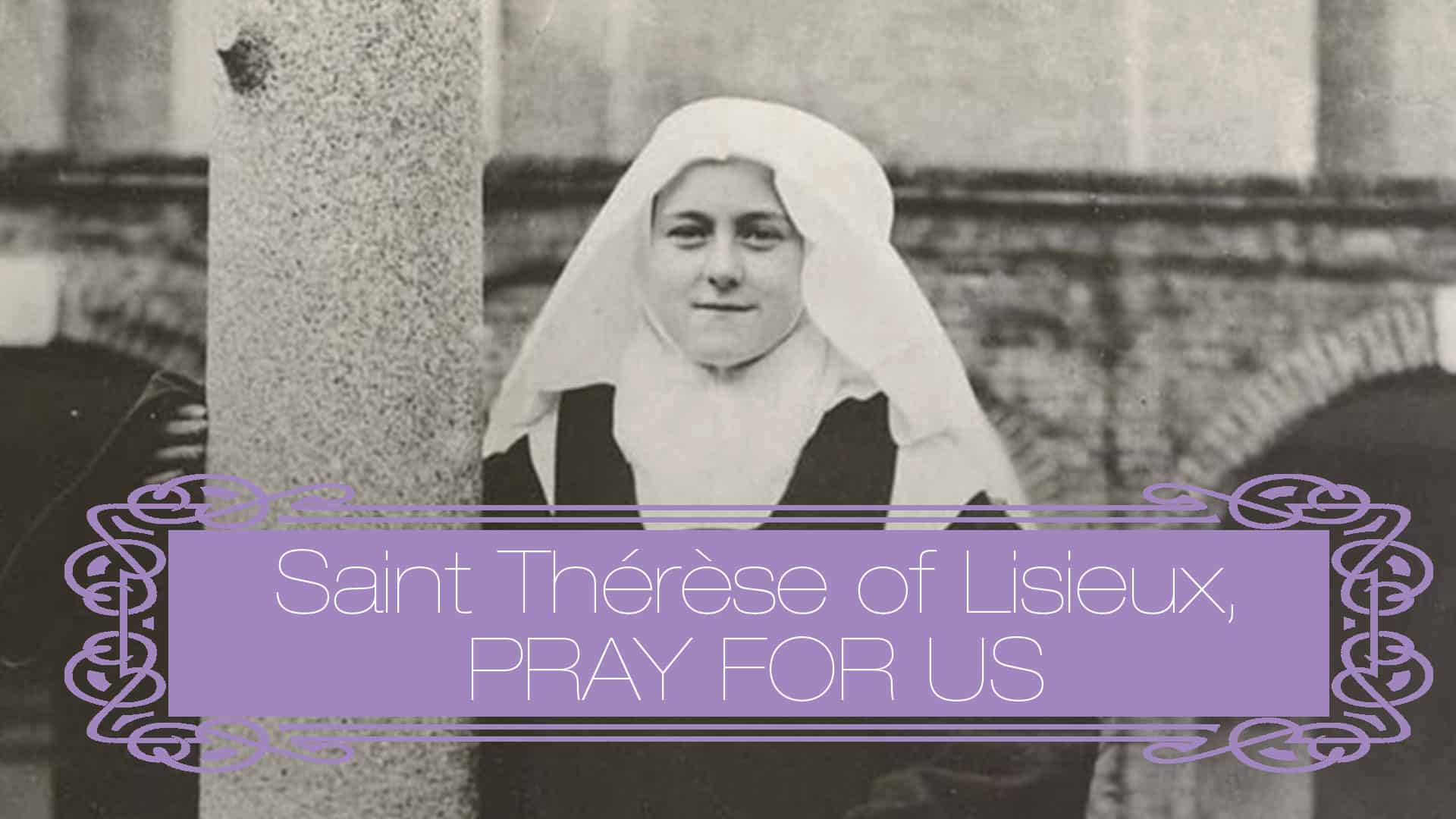
When we think of Thérèse of Lisieux, we think of her “Little Way,” the practice of offering up even the most commonplace tasks to God’s glory. But the Little Way came no more easily to its originator than it does to us.
She was just two when, instead of selecting a single item from a doll dressmaking kit as her sister did, Therese grabbed the basket and the remaining contents, saying, “I choose all!”

The Franciscan mystic is the ordinary Christian mystic who is brother, sister, bride and mother of Christ by means of a fidelity, made possible by the Holy Spirit, in doing God’s will, in carrying Christ within and through love and a pure and sincere conscience and in giving birth to Christ by the charity of good works. In all of this is intimacy with God, and intimacy with God that results in charity is practical mysticism.