
Thank You, St. Elizabeth Seton
Elizabeth Seton had no special gifts. She was not a mystic or stigmatic. She did not prophesy or speak in tongues. She had two great devotions: abandonment to the will of God and an ardent love for the Eucharist.

Elizabeth Seton had no special gifts. She was not a mystic or stigmatic. She did not prophesy or speak in tongues. She had two great devotions: abandonment to the will of God and an ardent love for the Eucharist.
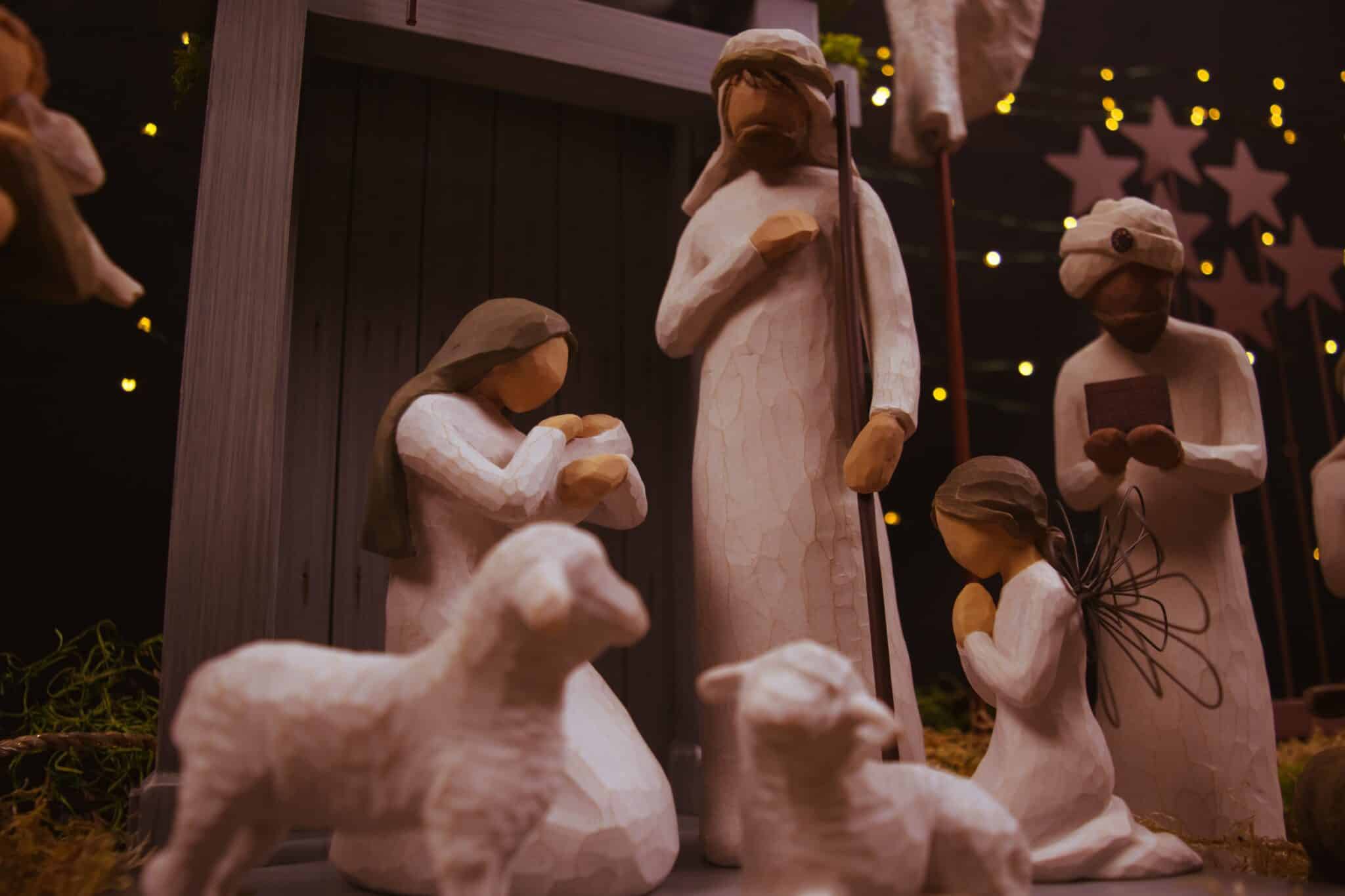
The custom of setting up a Christmas crib in one’s home—not simply outside a church—reinforces the personal challenge represented by the Incarnation. The Incarnation changes everything in human history. We become different people because of it. In Francis’s day, many thought first of Jesus dying on the cross and only later about his birth in Bethlehem. Popularizing the crib reminded people of the great love that led to Jesus’s becoming one of us without compromising his divine nature.

We’ve finished the Christmas season and are into Ordinary Time—or as a friend of mine calls it, “Boring Time.”

“You formed my inmost being;
you knit me in my mother’s womb.
I praise you, so wonderfully you made me;
wonderful are your works!”
(Psalm 139:13-14)
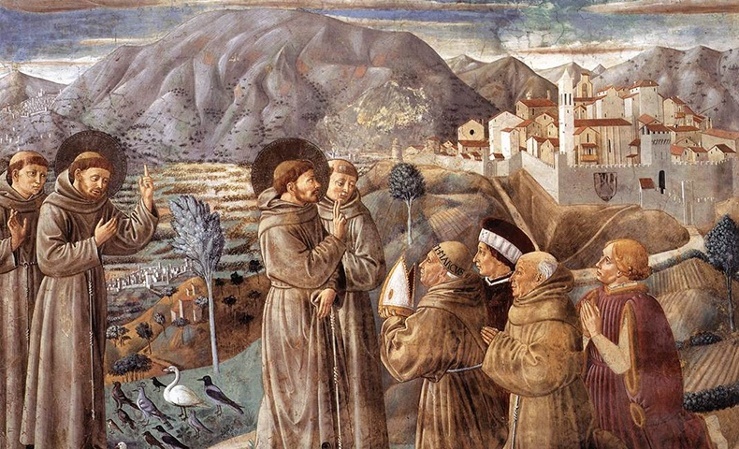
One day when Francis was in a lonely place by himself, weeping for his misspent years in the bitterness of his heart, the joy of the Holy Spirit was infused into him and he was assured that all his sins had been forgiven. He was rapt in ecstasy and completely absorbed in a wonderful light, so that the depths of his soul were enlightened and he saw what the future held in store for himself and his sons. Then he returned to the friars once again and told them, ‘Have courage, my dearly beloved, and rejoice in God.
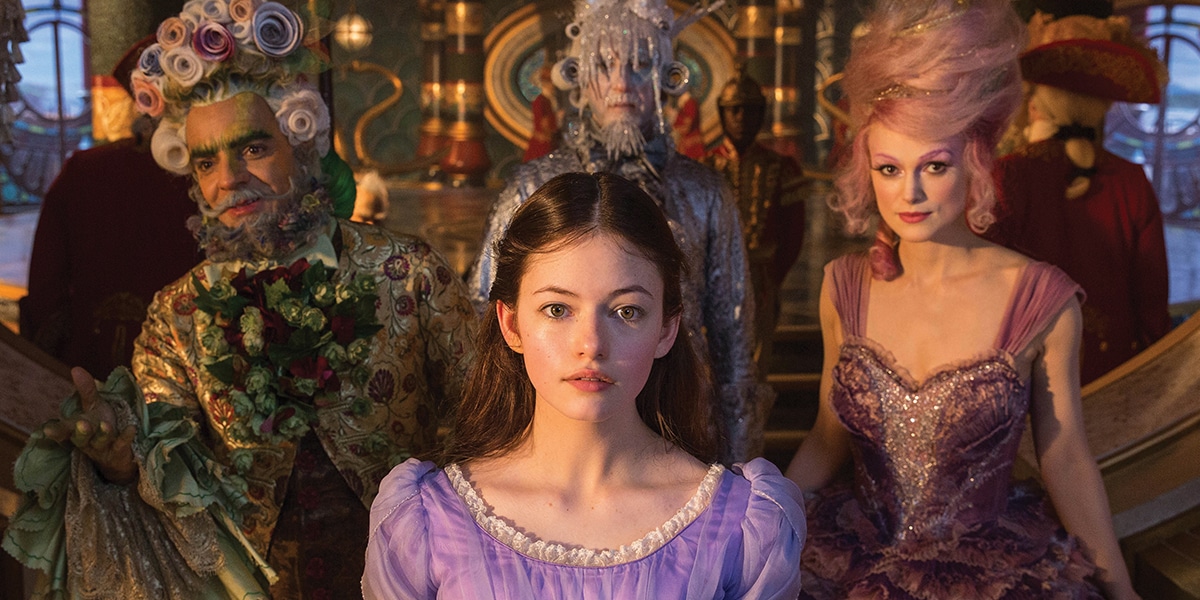
The Nutcracker and the Four Realms
Young Clara’s (Mackenzie Foy) late mother leaves her a special gift, which she opens on Christmas Eve. It is a bronze egg with a note that reads: “Everything you need is inside. “
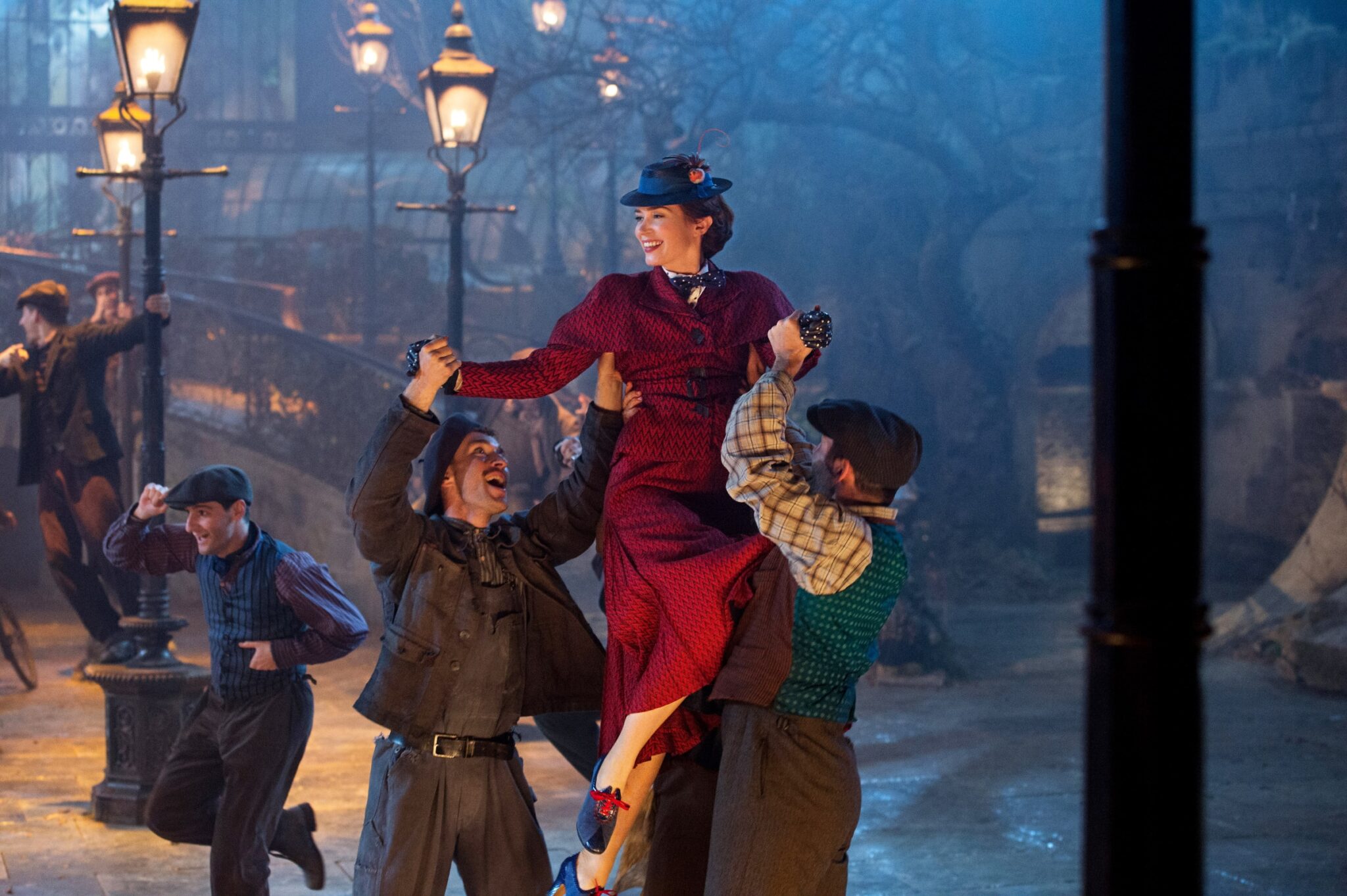
Twenty-five years after Mary Poppins first appeared to save the Banks family, she returns to London just in time to save the day again.
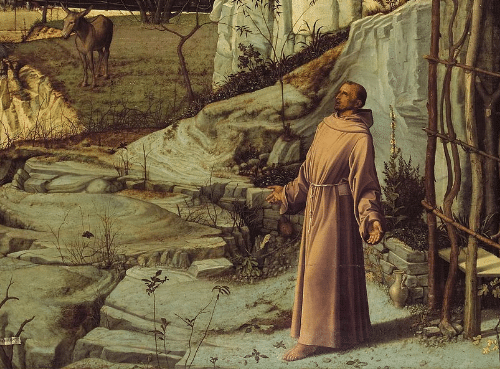
Then as he was walking through the forest joyfully singing in French and praising God, he was suddenly set upon by robbers. They threatened him and asked him who he was but he replied intrepidly with the prophetic words, “I am the herald of the great King.” Then they beat him and threw him into a ditch full of snow, telling him, “Lie there, rustic herald of God.” With that they made off and Francis jumped from the ditch, full of joy, and made the woods re-echo with his praise to the Creator of all.

The Franciscan Sisters of Mary (FSM) like to tell how their founder, Mother Mary Odilia Berger, made an impact in the streets of St. Louis in the early 1870s as she brought food and medical supplies to the sick and to the sisters in her religious congregation who were caring for them. Passersby noticed the congregation’s charity and placed donations in Mother Odilia’s basket.

Ancient storytellers observed that the sun makes a journey every night. To their eyes, the sun slipped out of sight in the western sky and descended into the dark earth or ocean, only to reappear far to the east at dawn. The old ones watched this daytime voyage of light across the sky. They understood that the sun’s light inspired the process of photosynthesis. It warmed the desert and opened the flowers. But at night, when the sun descended into the dark, they understood that even more was taking place. Do we make this same journey? Is that what this is all about?