
What Advice Can I Give?
My daughter-in-law’s brother is in a committed gay relationship and is going to be the father of a child carried by a woman who will allow the two men to adopt the baby.

My daughter-in-law’s brother is in a committed gay relationship and is going to be the father of a child carried by a woman who will allow the two men to adopt the baby.

Hospitals today really encourage people to have living wills. Is it permissible for patients to choose to have water and food withheld in case of very severe illness? I think this is suicide.

Do you think that saints can help us out? Can you be sure that they are there and that sometimes they talk to you?
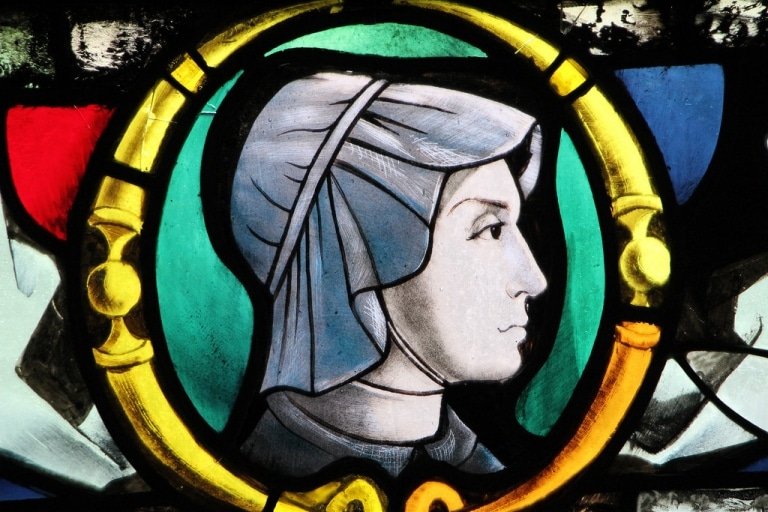
Daughter, wife, mother, widow, friend—all of these describe Elizabeth Ann Seton, this first American-born saint.

Saint Christopher—patron of travelers—is one of the most endearing for Catholics. His life and story, bordering somewhere between legend and legitimacy, is an exercise in service, grace, and love.

Jesus refuses to see women as inferior or unclean, and even makes them his disciples and reveals himself to them. His is a new model of how to treat women.

Jesus is leading his followers into the deepest truths about God. Step by step he is making them aware of the intimate life of God, and inviting them to share it.

The Kingdom of God is not a place for us to reach. It’s a person. It’s Jesus who offers himself to each of us every day. He is our happiness.

We’re living in a time when the far right and the far left in almost every institution are using the eccentricities and evils of the other end to justify their own extremes.

The disciples’ care-filled service to others is to be the medium through which Jesus extends his ministry to the world. The disciples’ mission is also ours.