Lent with St. Francis: True Concern for the Poor
The tension between material possessions and the spiritual life has always been part of religious life. We see it in our own religious institutions and in our own lives.

The tension between material possessions and the spiritual life has always been part of religious life. We see it in our own religious institutions and in our own lives.

The COVID-19 quarantine in much of the world invited us to look twice at what we took for granted. We’ve mourned many losses and promised to appreciate blessings when they resumed.
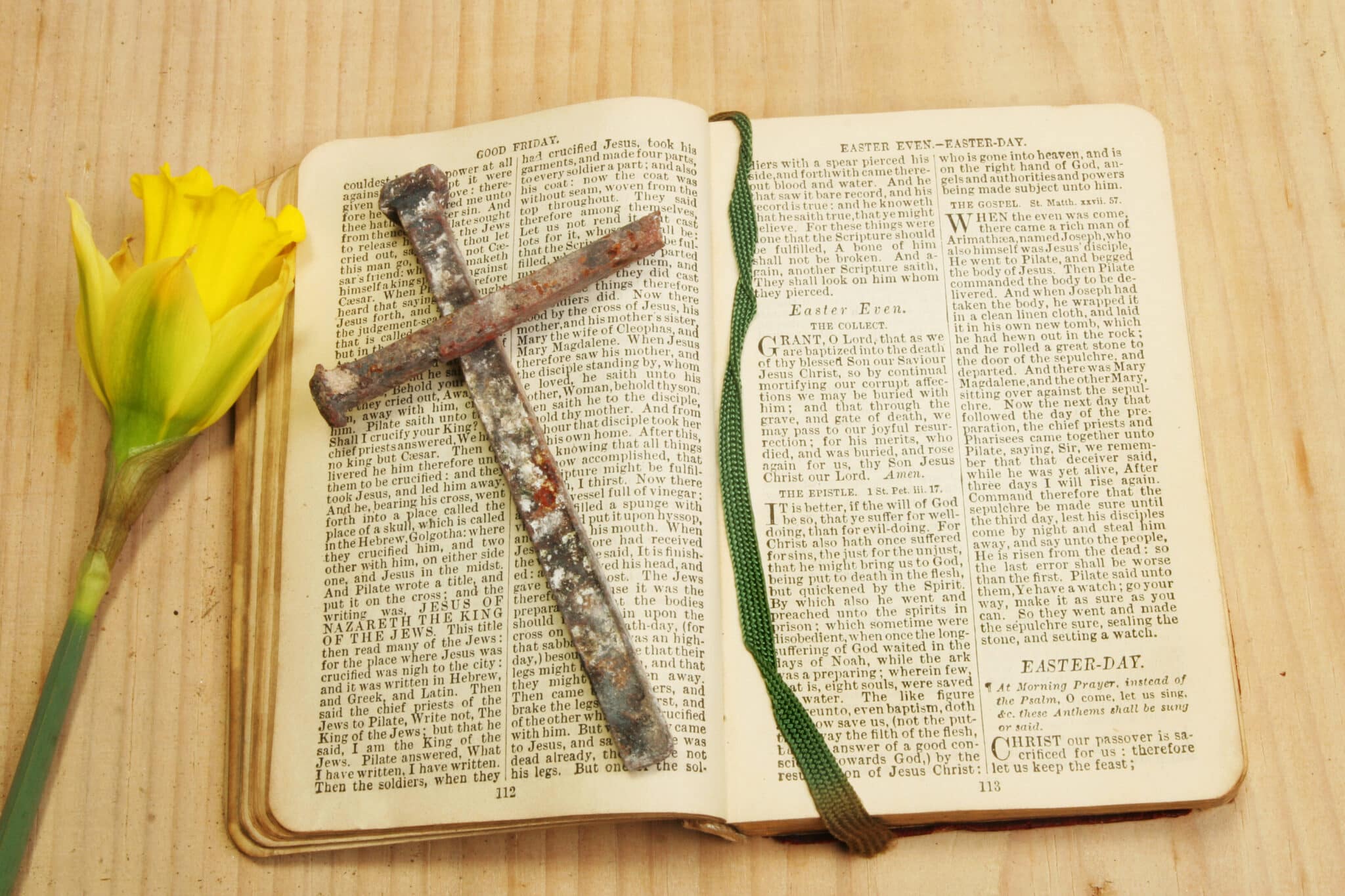
During these last days of Lent the Church offers us Isaiah’s Servant Songs as meditations on the person and mission of Jesus.
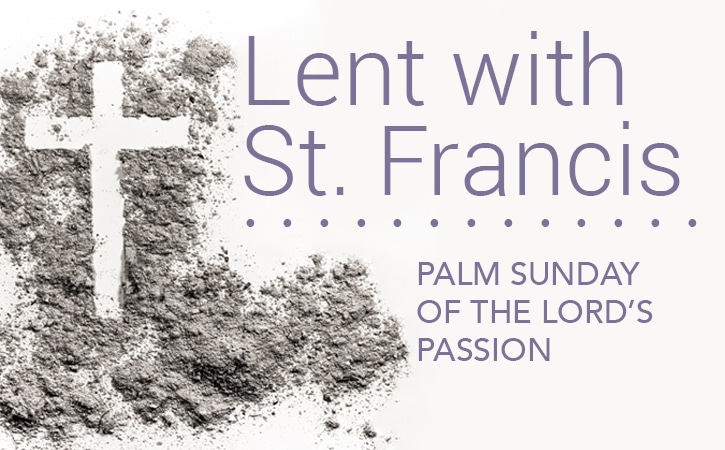
The cross is before us now with its wordless challenge to love beyond death. Take some time this week to think about events in your own life that have given you an experience of Jesus’s command to pick up your cross and follow him.
Jesus knows what it is to suffer. His passion and death reveal to us that God can use anything–even the greatest evil and suffering–for a redemptive purpose.

In powerlessness freely accepted, Jesus modeled for us a new way of life, one that can disarm power when lived well.
Even after his conversion, Francis retains something of his antipathy for the Perugians, historical enemies of Assisi and the faction that imprisoned him in his fighting days.

God will deliver his people from all their sins. The future that God has in mind for them (us) will come to them (us) by way of salvation in Christ.
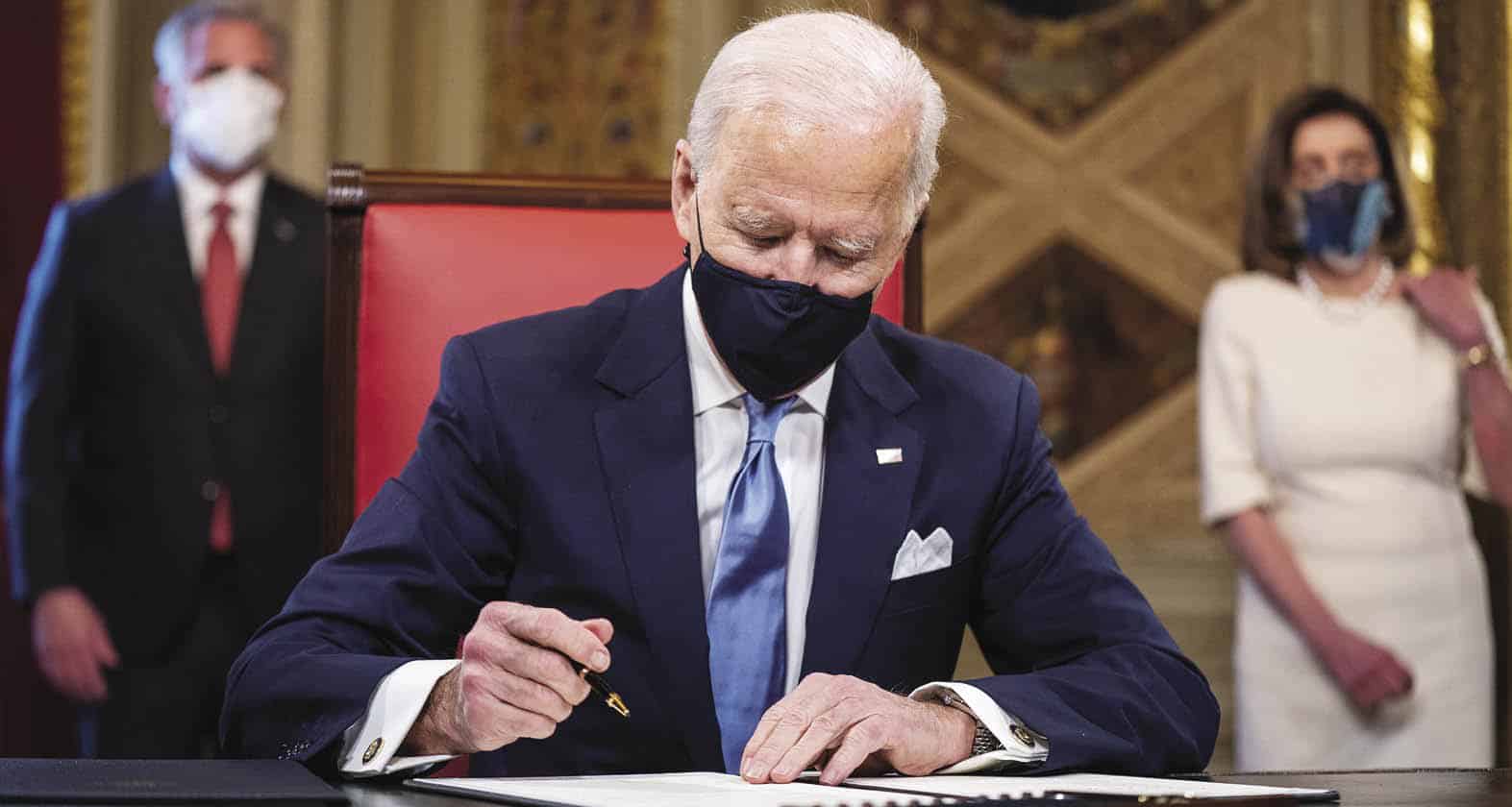
When we focus on only the present moment, we’re losing sight of tomorrow. Rejoining the Paris Agreement is one step in the right direction.

In the Gospel of John, we have to wrestle with the fact that this good and holy man is in fact the human manifestation of the one, true God.