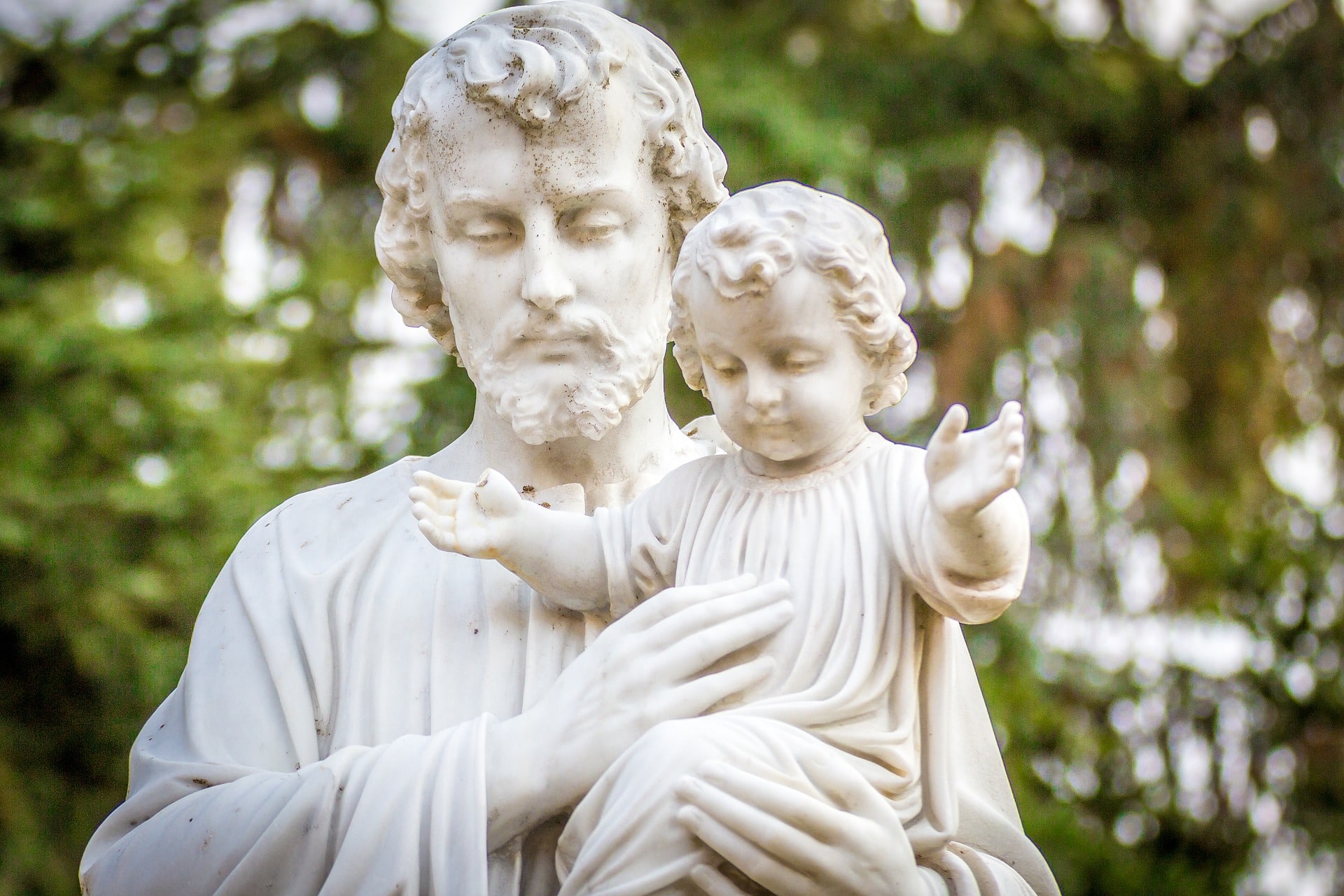
Saint Joseph and Selling Property
What is the origin of the tradition of burying a statue of Saint Joseph on property that someone wants to sell? I had never heard of this until a few years ago.

What is the origin of the tradition of burying a statue of Saint Joseph on property that someone wants to sell? I had never heard of this until a few years ago.
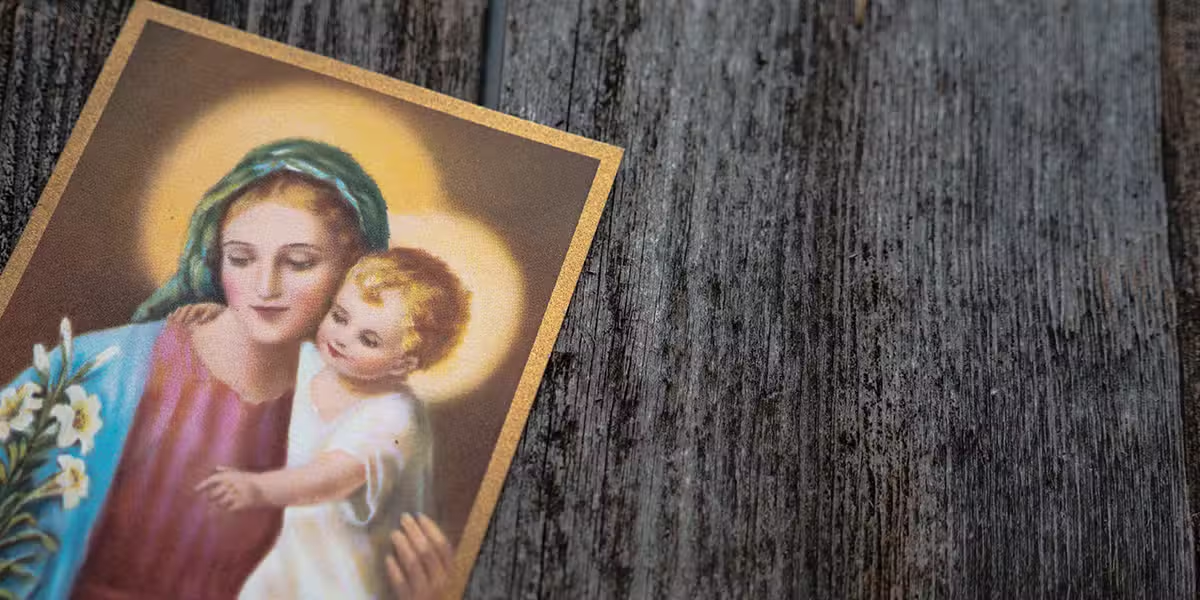
Most of my family are members of Scripture-alone groups. They say that praying to Mary is fruitless and that the Eucharist is not really Jesus’ body and blood. How can I respond?
For 800 years before Martin Luther, Christians had clarified that they adore God but venerate saints; that’s a big difference.
In Matthew 26:6-13 and Mark 14:3-9, we read that Jesus was eating at the home of “Simon the leper” when Jesus was anointed with costly perfumed oil. Did Jesus heal Simon of his leprosy?
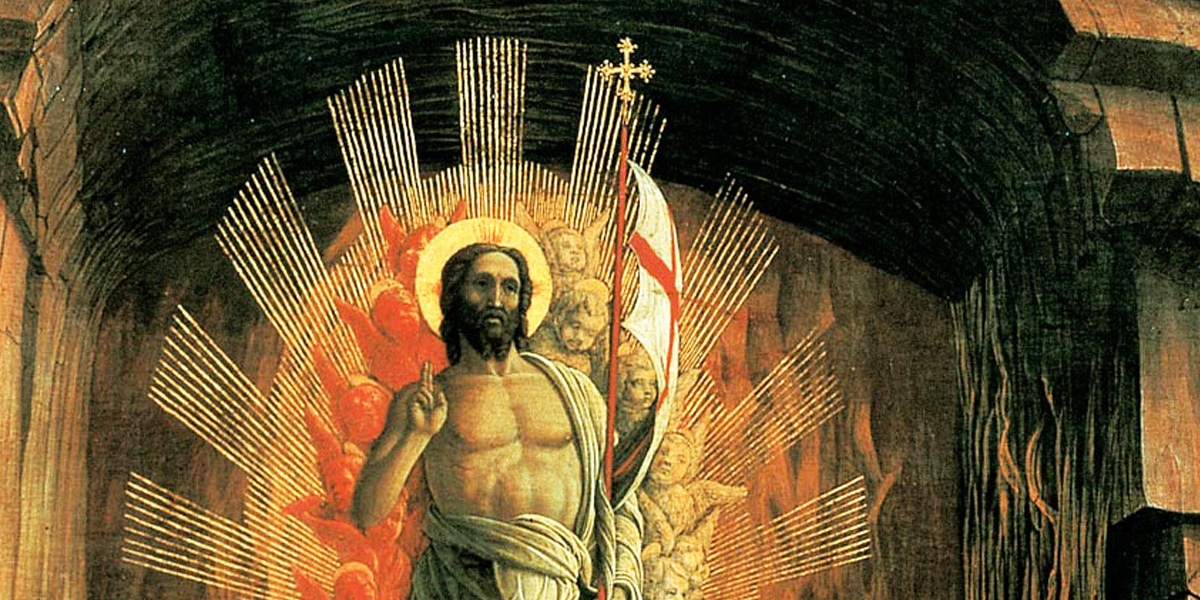
As fully divine and fully human, Jesus must have had a human soul, right?

At a recent meeting, the topic of unbaptized grandchildren came up.
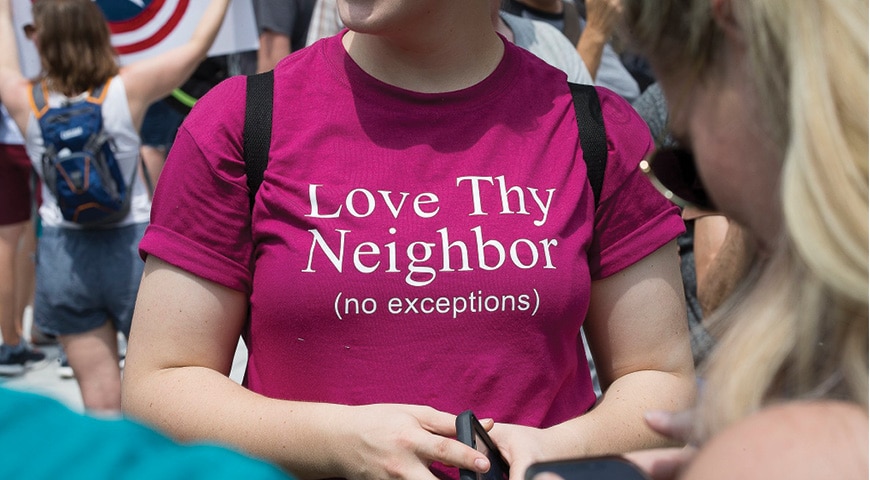
What do I tell the students in my CCD class when they ask me what the Catholic Church says about systemic racism?

Can a Catholic be pro-choice? I am a practicing Catholic who is very pro-life. I know several Catholic women who are pro-choice. I’m an old man who thinks this is a contradiction.