
Sharing the Word for June 3, 2021
In loving our neighbor, we share God’s work of loving our neighbor, and thus we are enabled to help God be God.

In loving our neighbor, we share God’s work of loving our neighbor, and thus we are enabled to help God be God.

COVID-19 and its restrictions have knocked many of us off our game. But it’s important to not neglect our bodies.

TV’s Mister Rogers reminded us that in times of need we all should look for the caregivers. At some point we’re all going to need help or be called upon to help another.
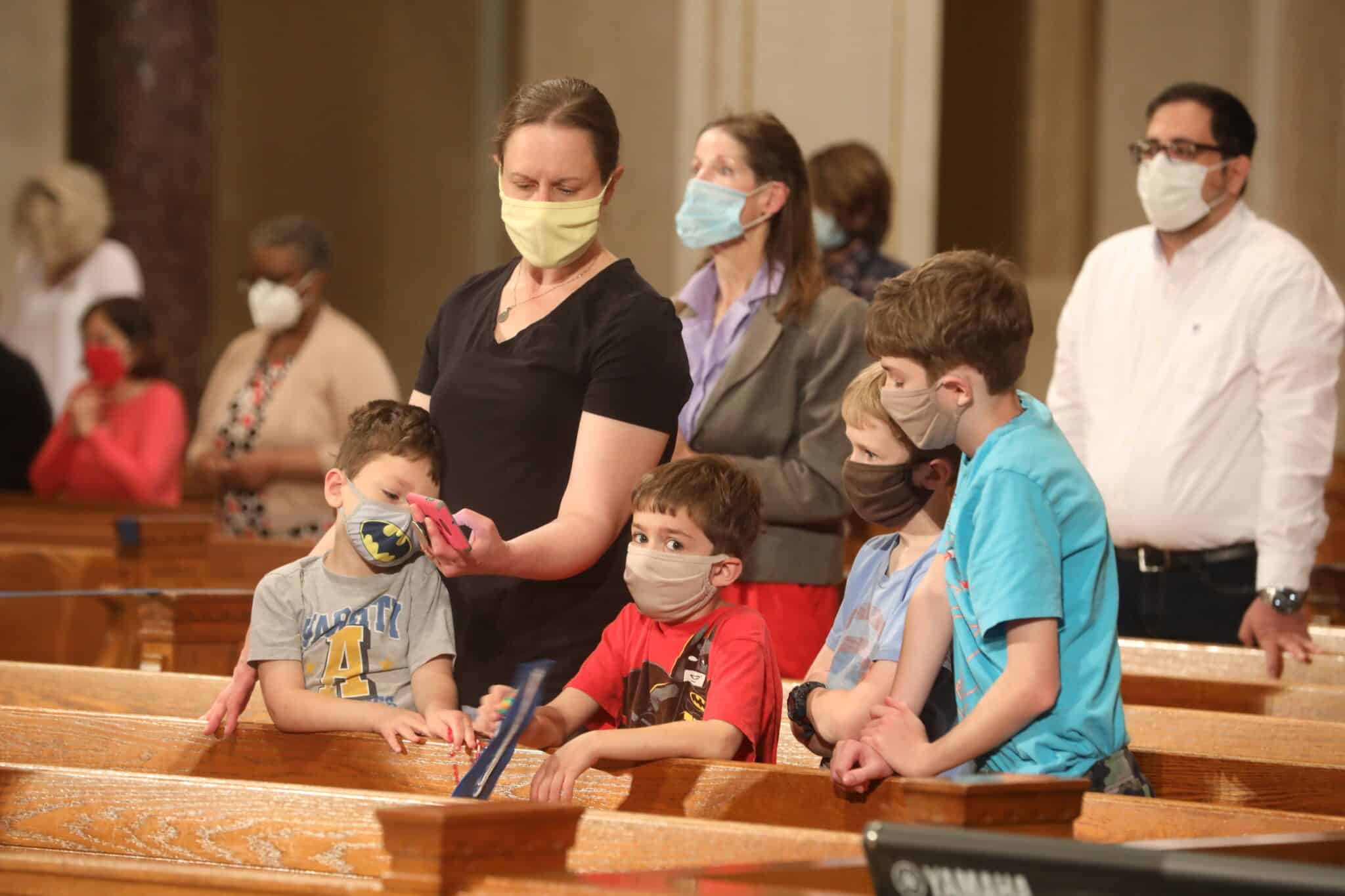
If we want families to feel welcome at Mass, we need to offer them our support, not our judgment.

In the Gospel for this week’s Sunday Mass, Jesus tells his disciples to go ahead and prepare a Passover feast for him and his disciples.
Our Scriptures today emphasize the Jewish roots of our Eucharist. In the Gospel Jesus asked his disciples to prepare the Passover meal where he would give them his body and blood as food.

We can get bogged down in our troubles and begin to see the world in a negative light. It’s then that we need to go to our faith and our experience of God to get the bigger picture.

When you start the day working on the internal, you will cultivate the resilience necessary to face the external.

When we pray for the children, even those we will never meet, we discover that every child is God’s beloved child.

In today’s Gospel passage Jesus implies that both government and religion have claims on us. We owe both.