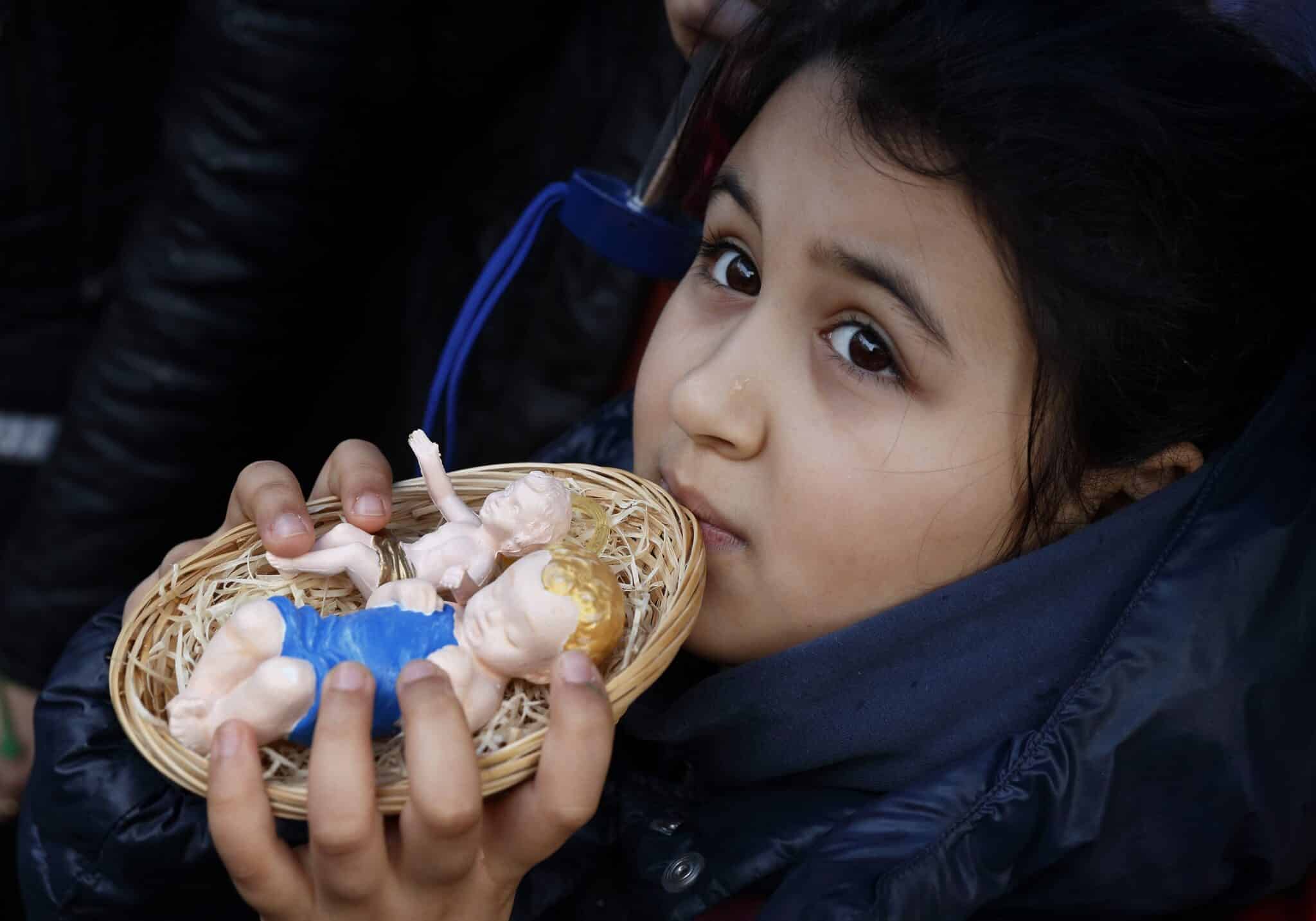
Our God Understands
Knowing that God not only knows but experienced what it was to be a human being should give us patience with our weakness and joy in our strength.

Knowing that God not only knows but experienced what it was to be a human being should give us patience with our weakness and joy in our strength.

One of our deepest longings as human beings, as social beings, is to be understood even in our most perplexing and difficult moments.

Advent begins quietly, with the lighting of the first candle on the Advent wreath.

Throughout the season of Advent, we explore the mystery of the Incarnation, Jesus letting go of divine splendor to embrace a human existence.

December 26: Violence is Conquered by Love http://www.usccb.org/bible/readings/122616.cfm
Readings: Acts 6:8–10; 7:54–59; Matthew 10:17–22
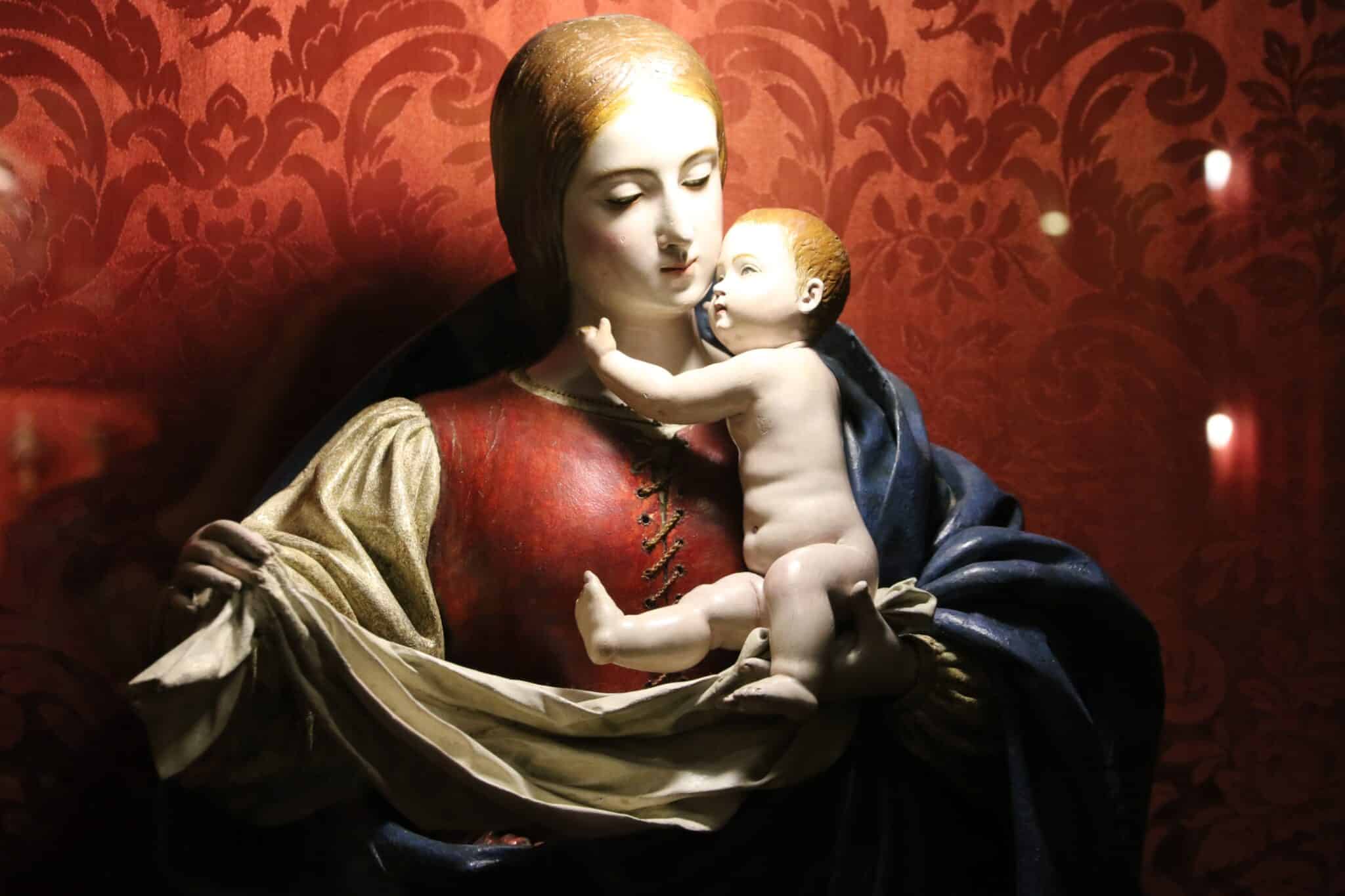
Knowing that God not only knows but experienced what it was to be a human being, composed of blood and flesh and bone, limited by all the things that limit us, should give us patience with our weakness and joy in our strength. In our prayers for help, we can say, “You know what it’s like,” and be confident that he does. But we can also look to the end of the story and know that by being one of us, he was able to raise us up to overcome those limits—and the final limit of death itself. As St. Irenaeus put it so well, “He became human so that we might become divine.”

We’re approaching the end of the Christmas season. Soon we will be back to the ordinary routines of our life. But if we have celebrated the feast of the incarnation well, our lives will be changed. We don’t know what the new year will hold for us, for our families, for the world. But we know that God will continue to be with us. As we look back at the significant events of the past year, both the joys and the sorrows, the highs and the lows, we can see how God has shaped us and strengthened us for what lies ahead. Perhaps we’re a bit relieved that Christmas is over for another year.