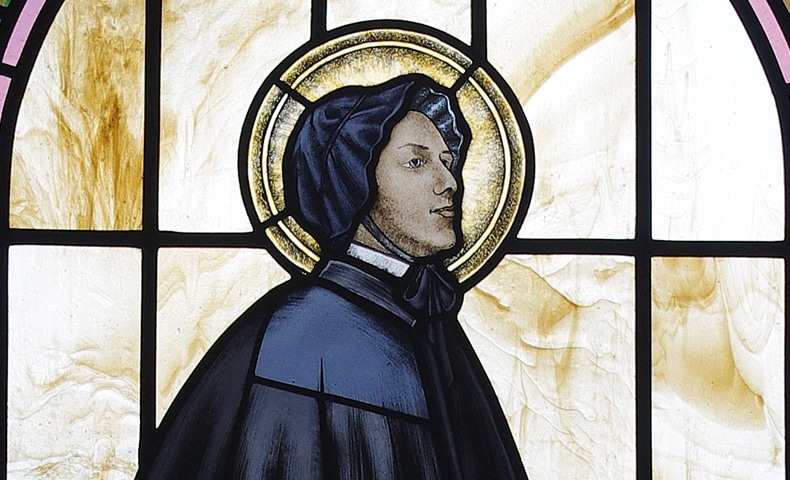
Saint Elizabeth Ann Seton
Convert, wife, mother, widow, teacher, religious─Saint Elizabeth Ann Seton did it all. Yet, in many ways, she was an ordinary woman of her time who lived life in an extraordinary way.

Convert, wife, mother, widow, teacher, religious─Saint Elizabeth Ann Seton did it all. Yet, in many ways, she was an ordinary woman of her time who lived life in an extraordinary way.
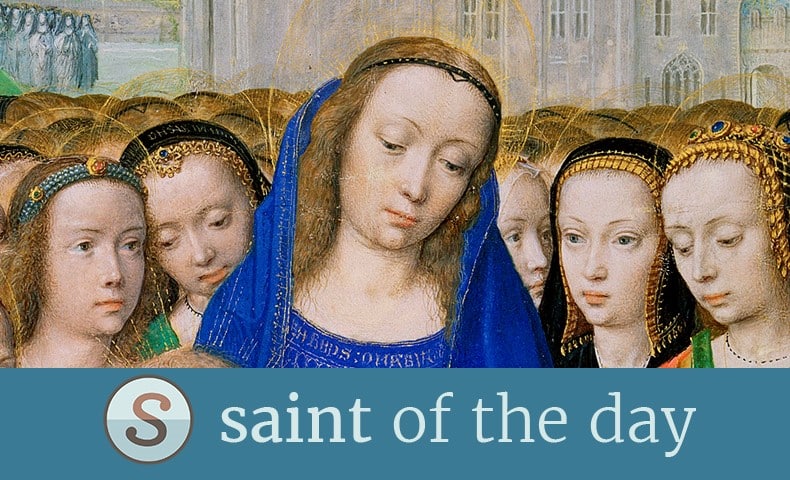
Saint Egwin was a Benedictine monk who became the bishop of Worcester, England. He seems to have had a good reputation─except with the clergy; they found his reforms a bit too strict. He was exonerated by Rome, however, and he continued to function as the diocesan bishop.
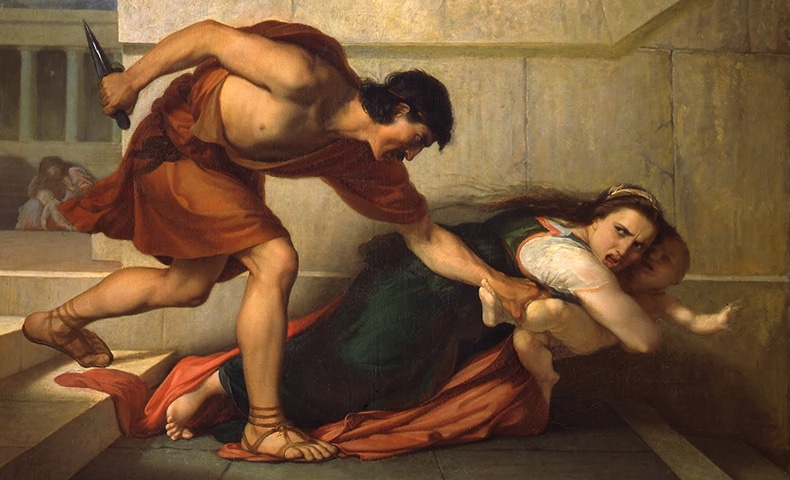
According to the account in Saint Matthew’s Gospel, King Herod slaughtered the Holy Innocents in an attempt to rid himself of the perceived threat of a usurper to his throne. What he didn’t realize is that Jesus’ kingdom is not of this world─a fact that emerges later in Saint Matthew’s Gospel.
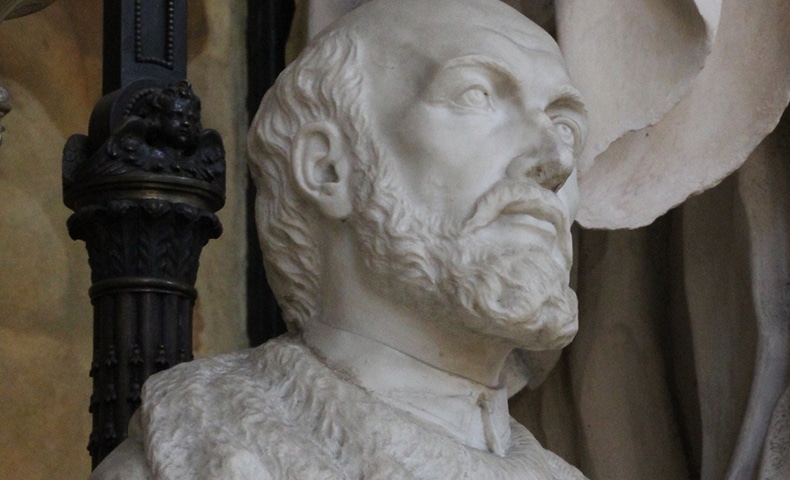
Saint John of Kanty was a beloved priest in Kraków, Poland, where he taught Scripture. A simple, humble man, John was often taken advantage of, but maintained his generous attitude to those in need. He died on Christmas Eve in 1473.
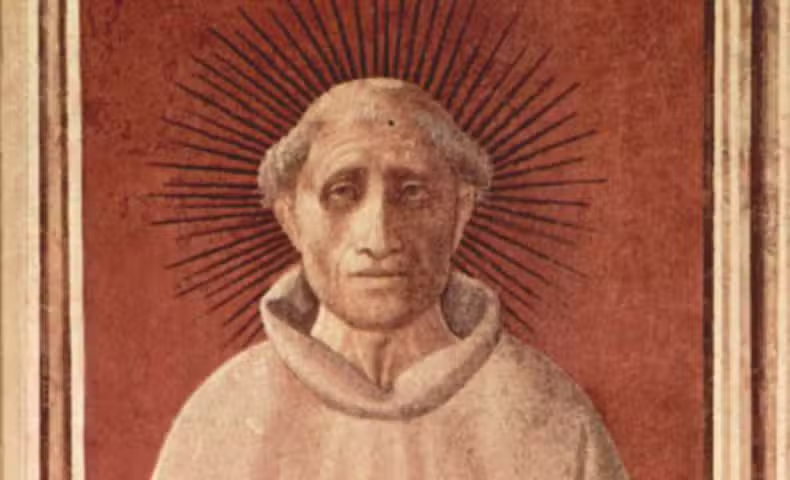
Jacopone da Todi’s life changed radically when his wife died in an accident at a local tournament. Turning from his self-indulgent life, he eventually became a Franciscan friar, but life was not easy even then. Jacopone is most known for writing the beautiful hymn, “Stabat Mater,” in the later years of his life.
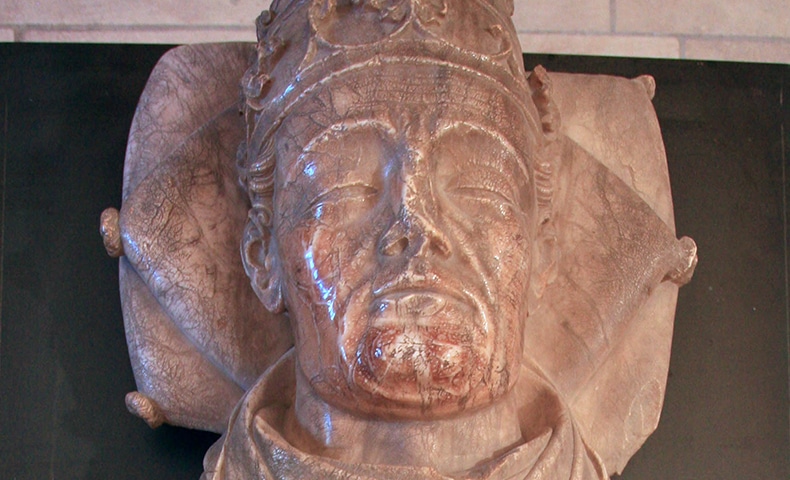
Blessed Pope Urban V was a simple man who never wanted to be pope. He was quite content to remain in his Benedictine monastery. But when called to serve the Church, Blessed Urban did so with great devotion and wisdom.
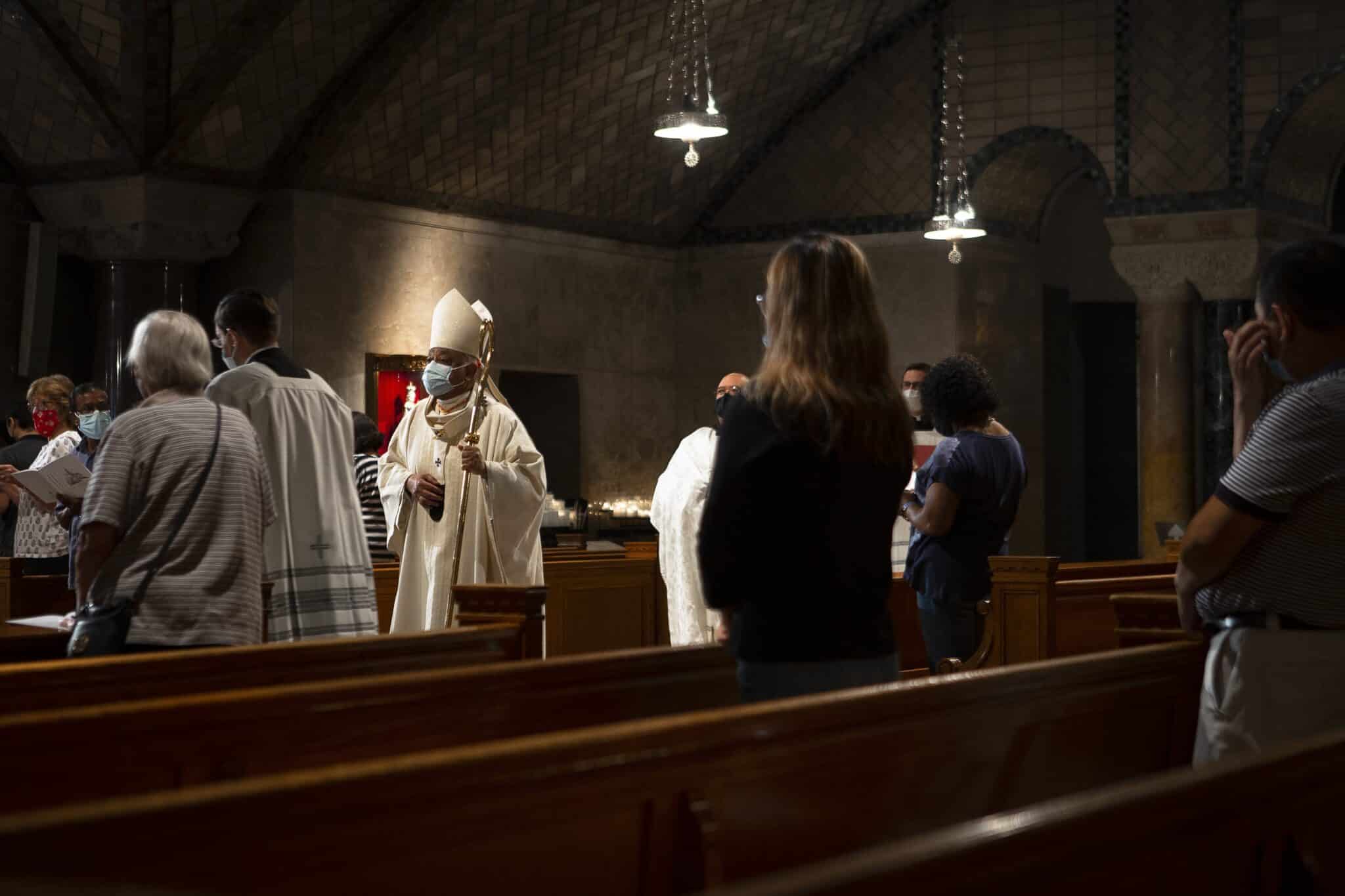
The percentage of Catholics in the U.S. population in 2021 held steady at 21% in the latest Pew Research Center survey, issued Dec. 14.
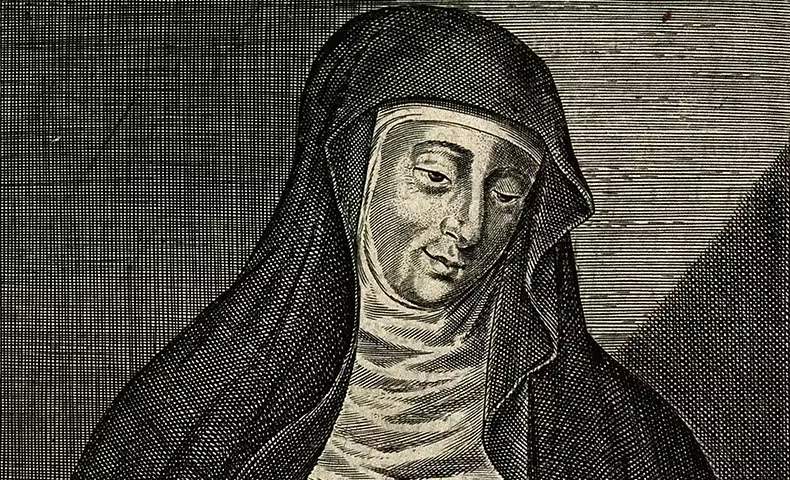
Saint Hildegard of Bingen was a remarkable woman who fulfilled many roles in her lifetime. A Benedictine nun, she became a rather well-known mystic whom Pope Eugene III encouraged to write. She ruffled feathers when she moved her monastery to Bingen, and confronted civil as well as ecclesiastical officials.
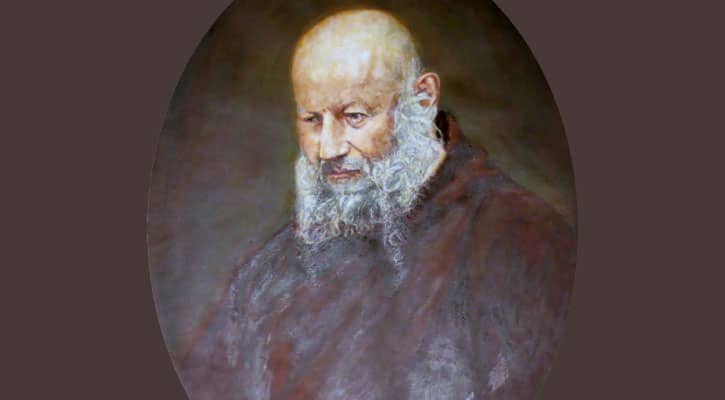
Blessed Honoratus Kozminski was born in 1829 and died in 1916. A Capuchin Franciscan, he founded many religious congregations for laypeople, and wrote many volumes of sermons and ascetical theology. A true son of the Church, he showed many signs of humility, including accepting his removal from all leadership roles in the communities he had founded.
If you don’t already have a gratitude journal, now might be the time to begin one. It doesn’t need to be fancy. A plain spiral notebook will do, or even a sheet of paper.