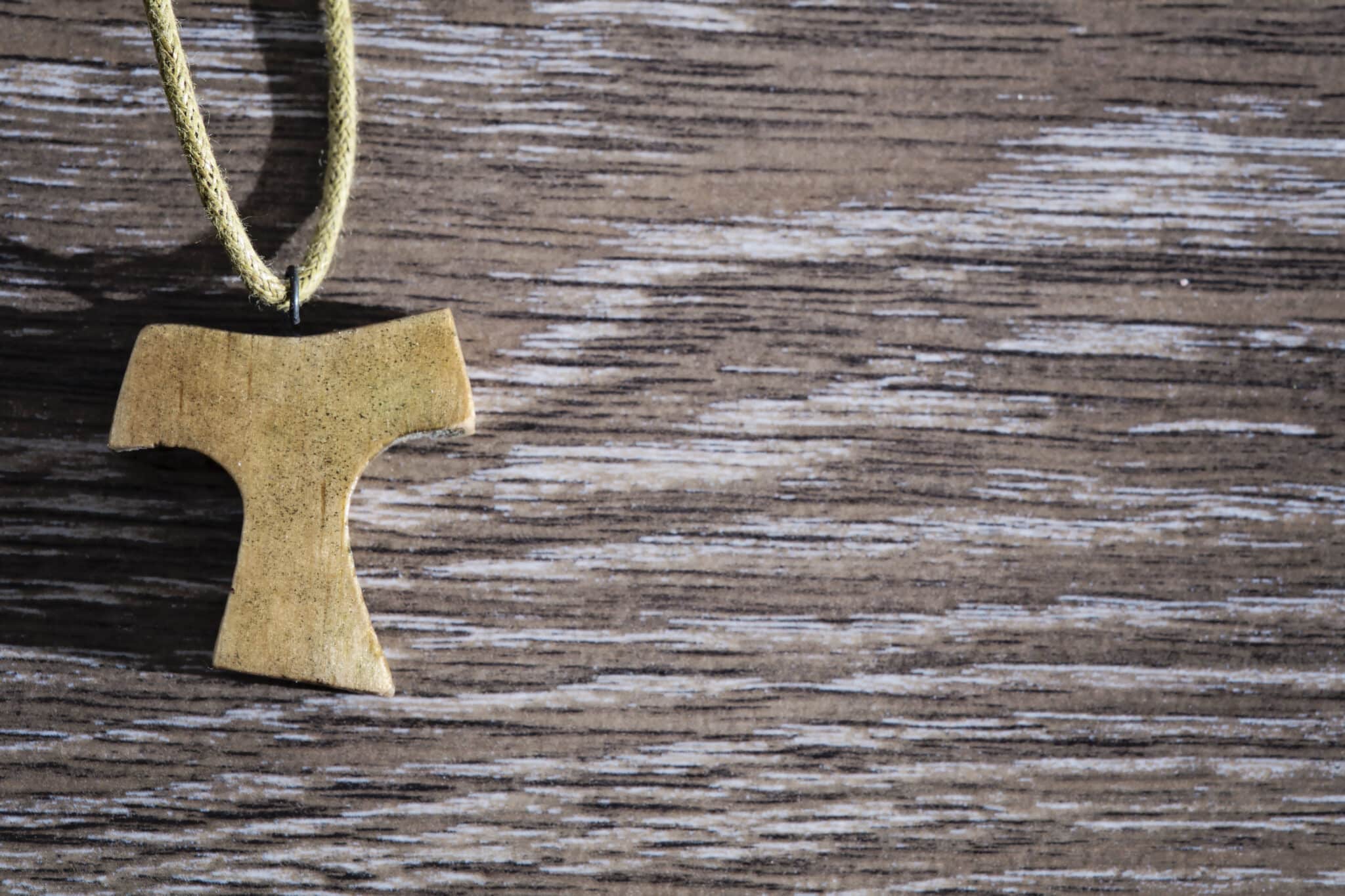
The Legacy of the Franciscans
There have been several Franciscan popes in history, most recently Pope Clement XIV (1769–1774).

There have been several Franciscan popes in history, most recently Pope Clement XIV (1769–1774).
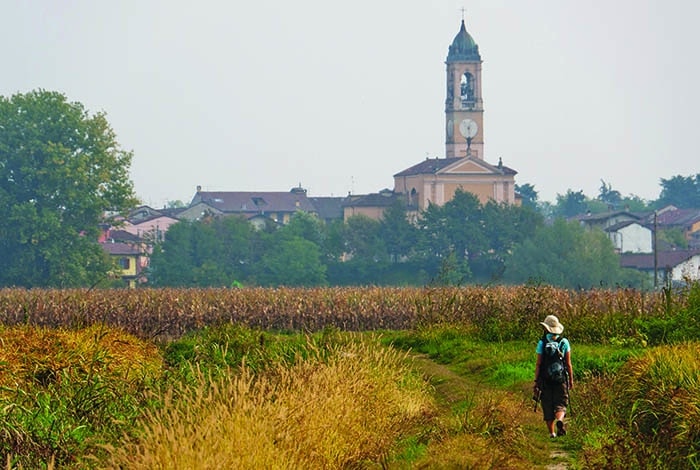
In the fallout of the ensuing schism, it’s easy to forget that Martin Luther (1483–1546), soon-to-be-arch-heretic, was once a pious monk. An earnest student of the law and scion of Saxony’s nouveau riche, his life was abruptly altered when his family’s patron saint, St. Anne, delivered him from a frightful storm. He sold his things, changed faculties from law to theology, and settled in the Augustinian Cloister in Erfurt.
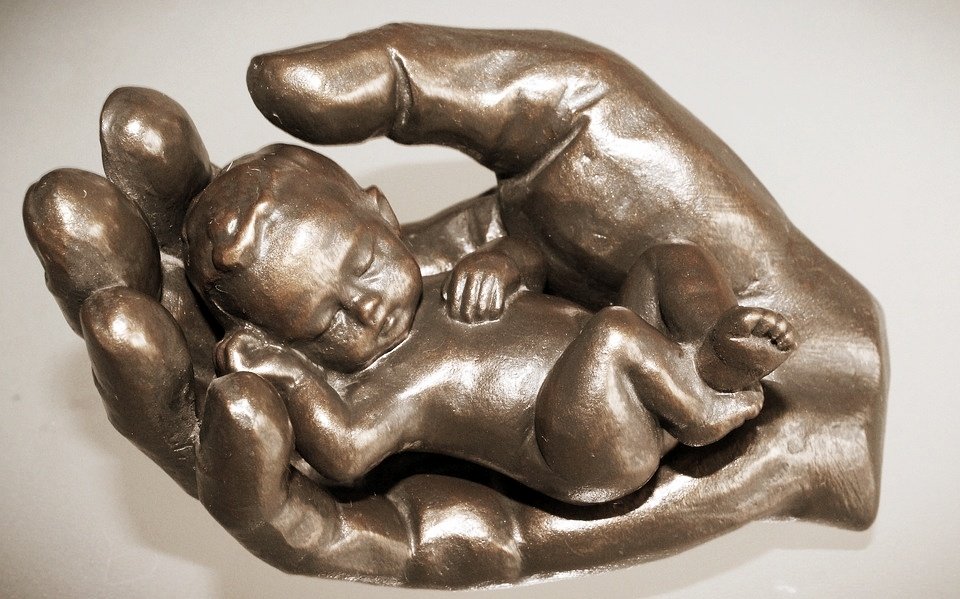
“It seems to me that I am no more than a very tiny thing in the arms of God, and that I will remain so until I die. I do not know what He wants to do with me, but I desire it all.”
— Venerable Marthe Robin, as quoted in Robert Ellsberg’s The Franciscan Saints
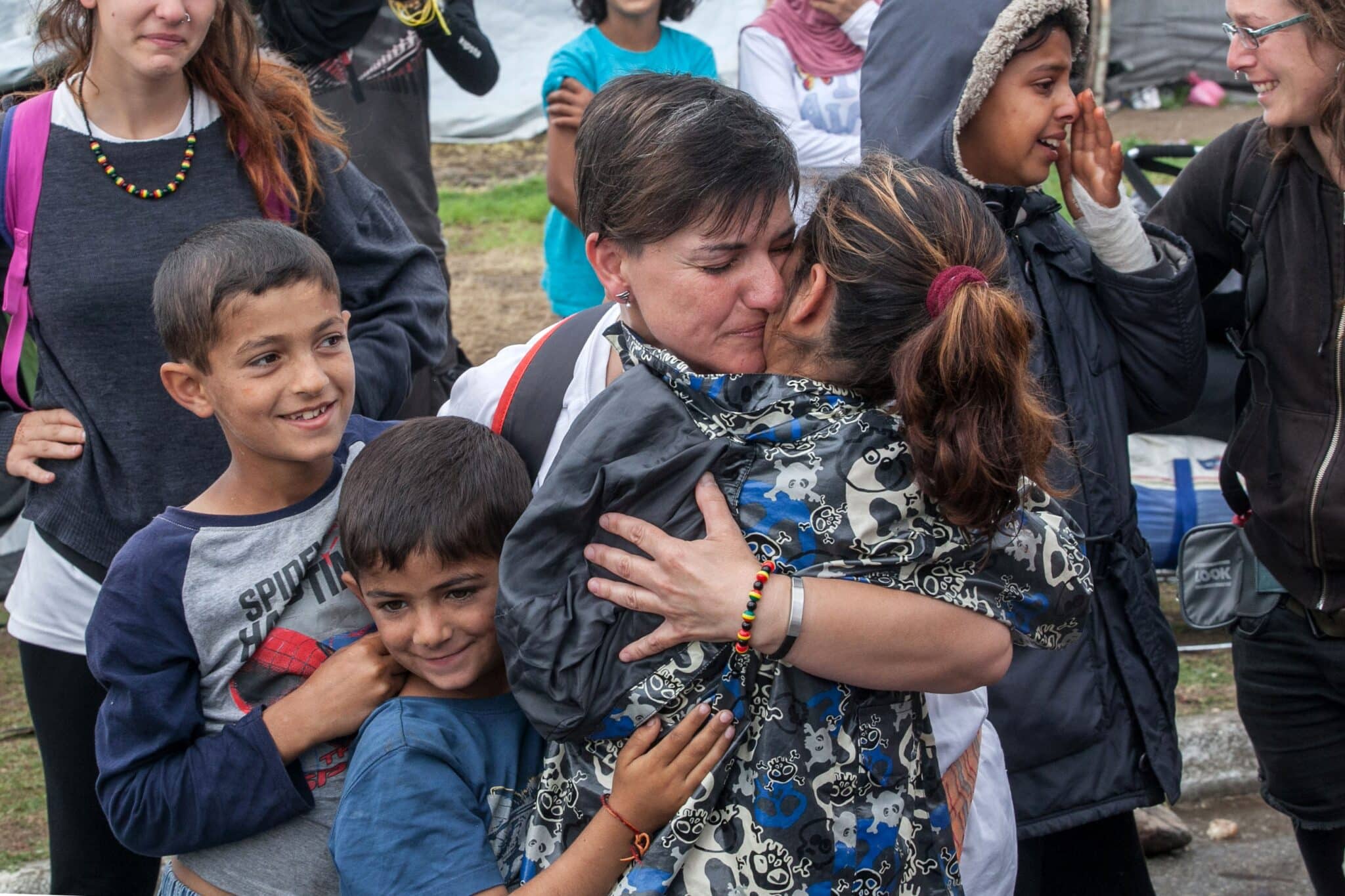
Tom Harkin, senator from Iowa, entered into the Congressional Record these words from an article in the Des Moines Register: “Sister [Dorothy] Hennessey taught many things, including courage, compassion, and the importance of independent thought and creative action. She taught that aging gracefully can be consistent with living meaningfully and even dangerously. But most important, she taught that we don’t have to stand by in frustration when wrongs are perpetrated, even by our government; that the world is best served when we stand up for what is right.
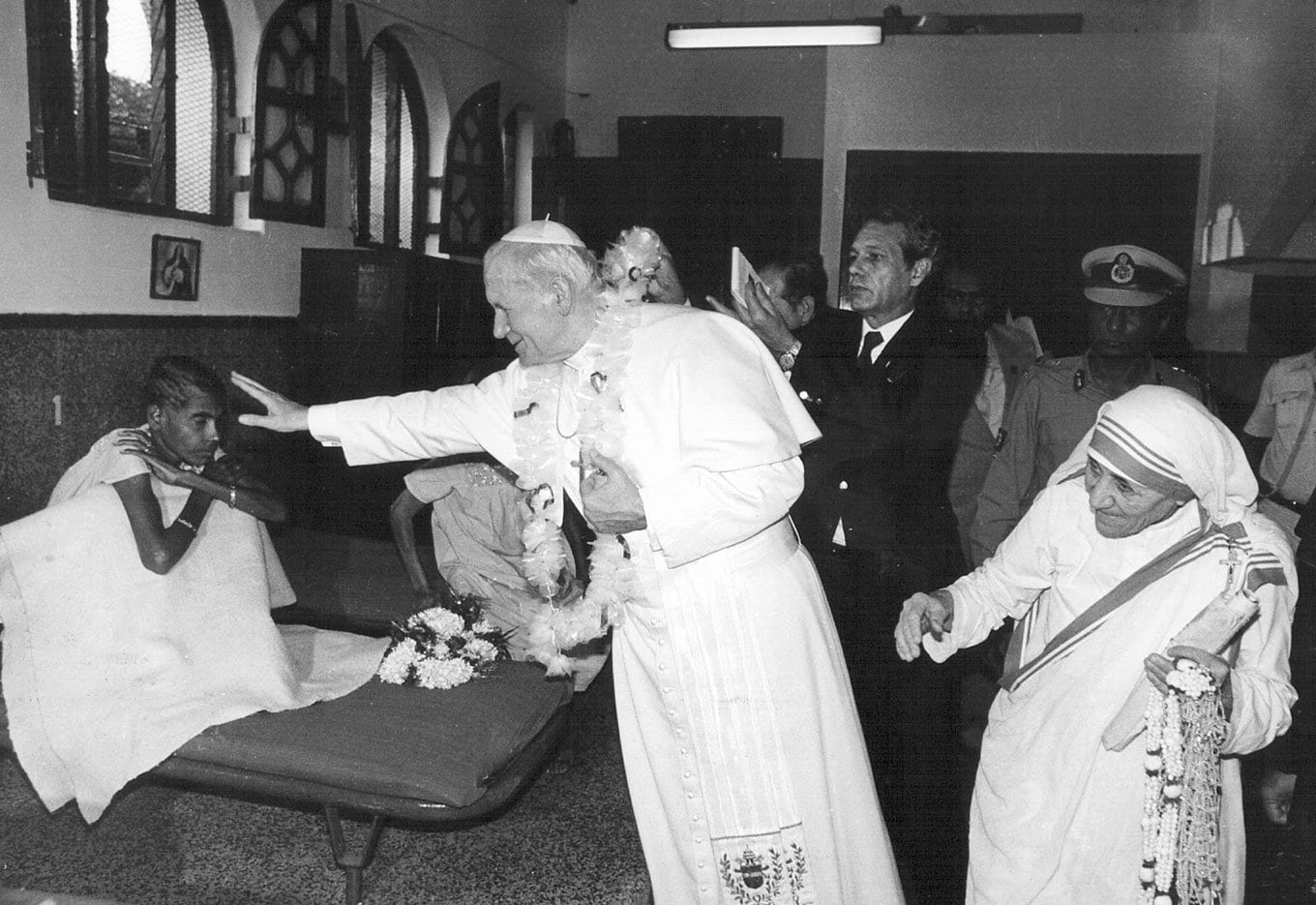
In his autobiographical The Seven Storey Mountain, Thomas Merton remembers a conversation with poet Robert Lax.
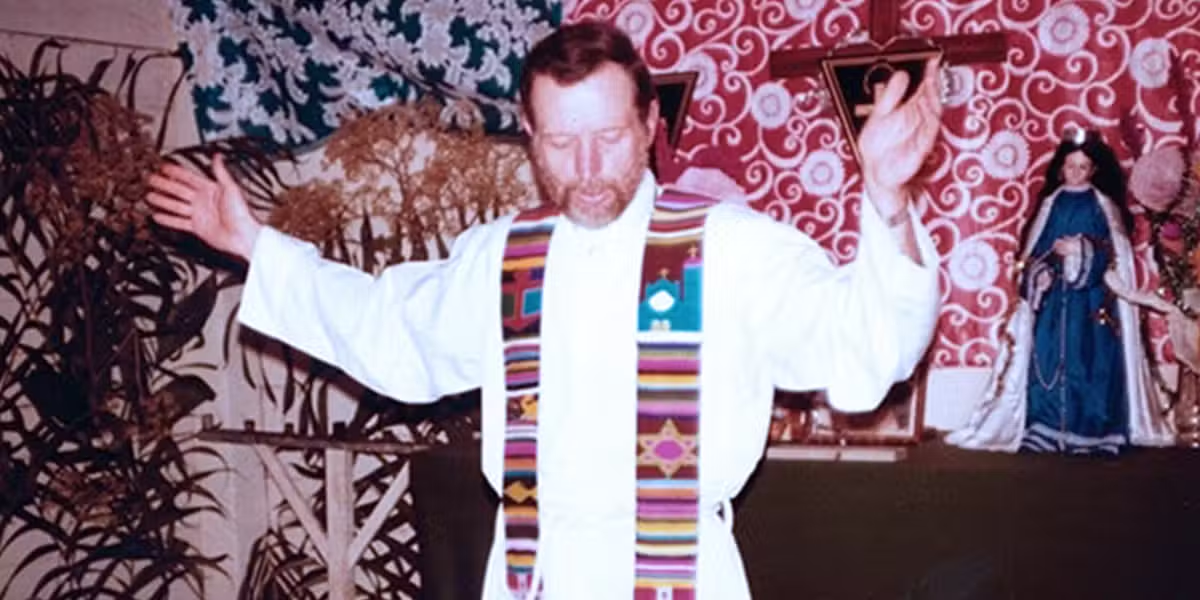
Blessed Stanley Rother’s September 23 beatification is a testament to his legacy as peacemaker and martyr.
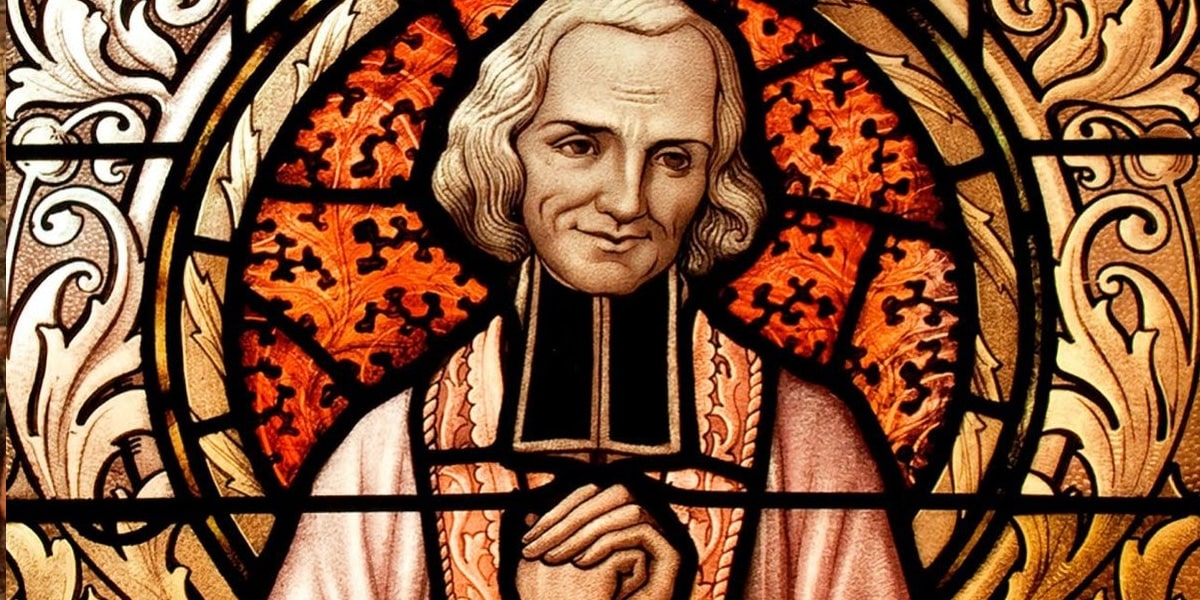
John Vianney, a beloved saint, the patron of parish priests and confessors, has a lot to teach believers the world over.
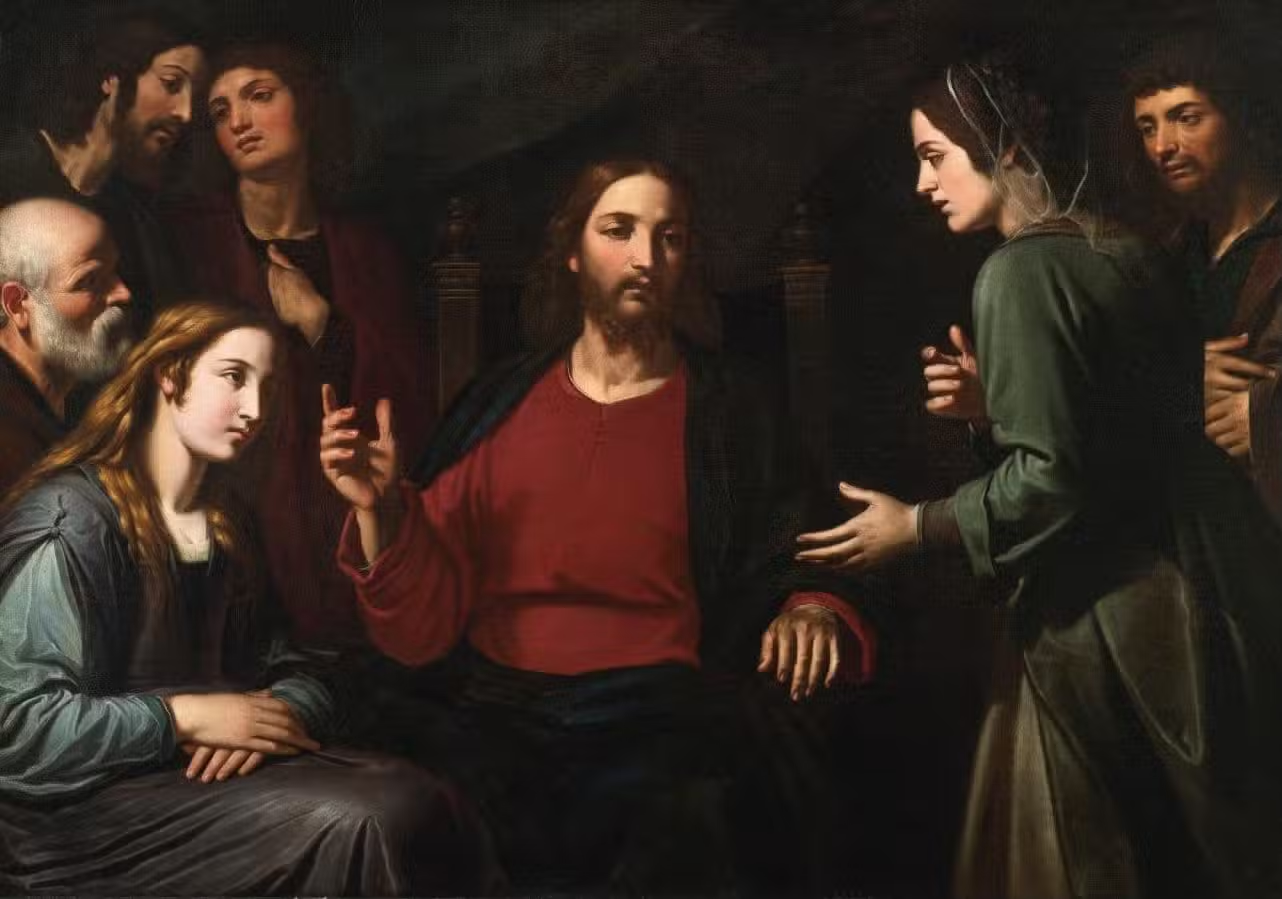
We are called to serve God and neighbor. Scripture guides us to accomplish both.
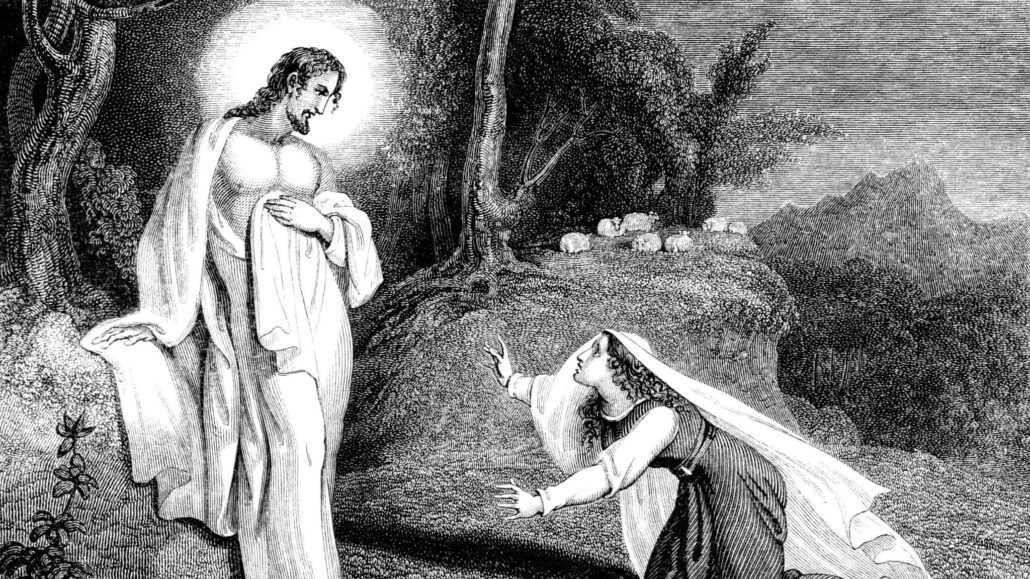
Thanks to the Gospels, we know who Jesus’ disciples were.
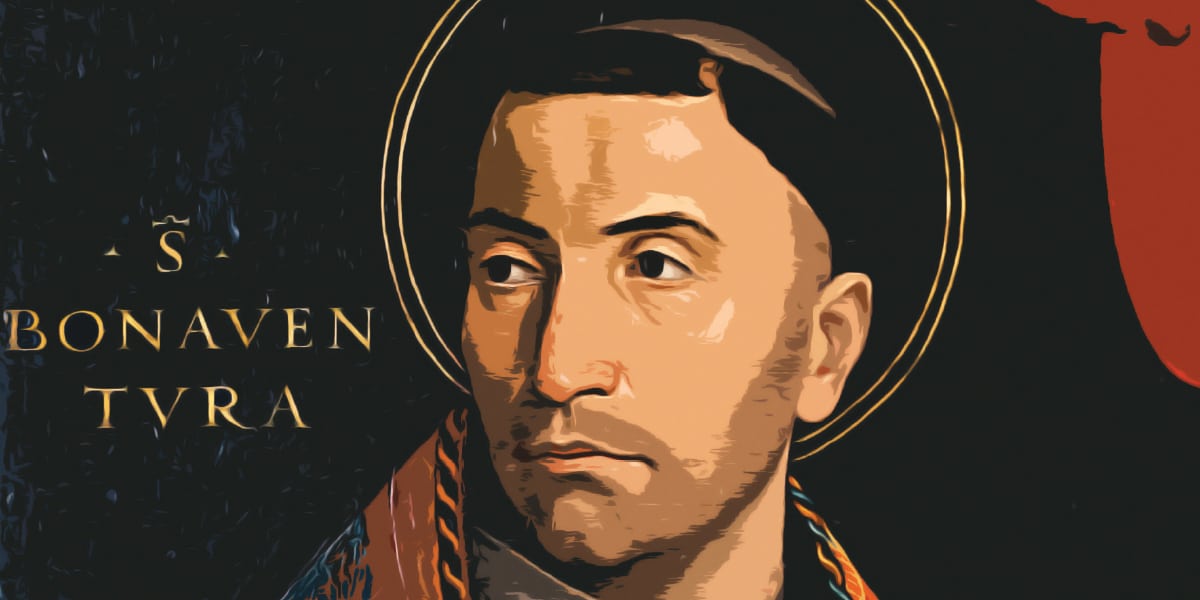
St. Bonaventure may not be as well-known as Sts. Francis and Anthony, but he is an important figure in both Franciscan history and the history of the medieval Church.