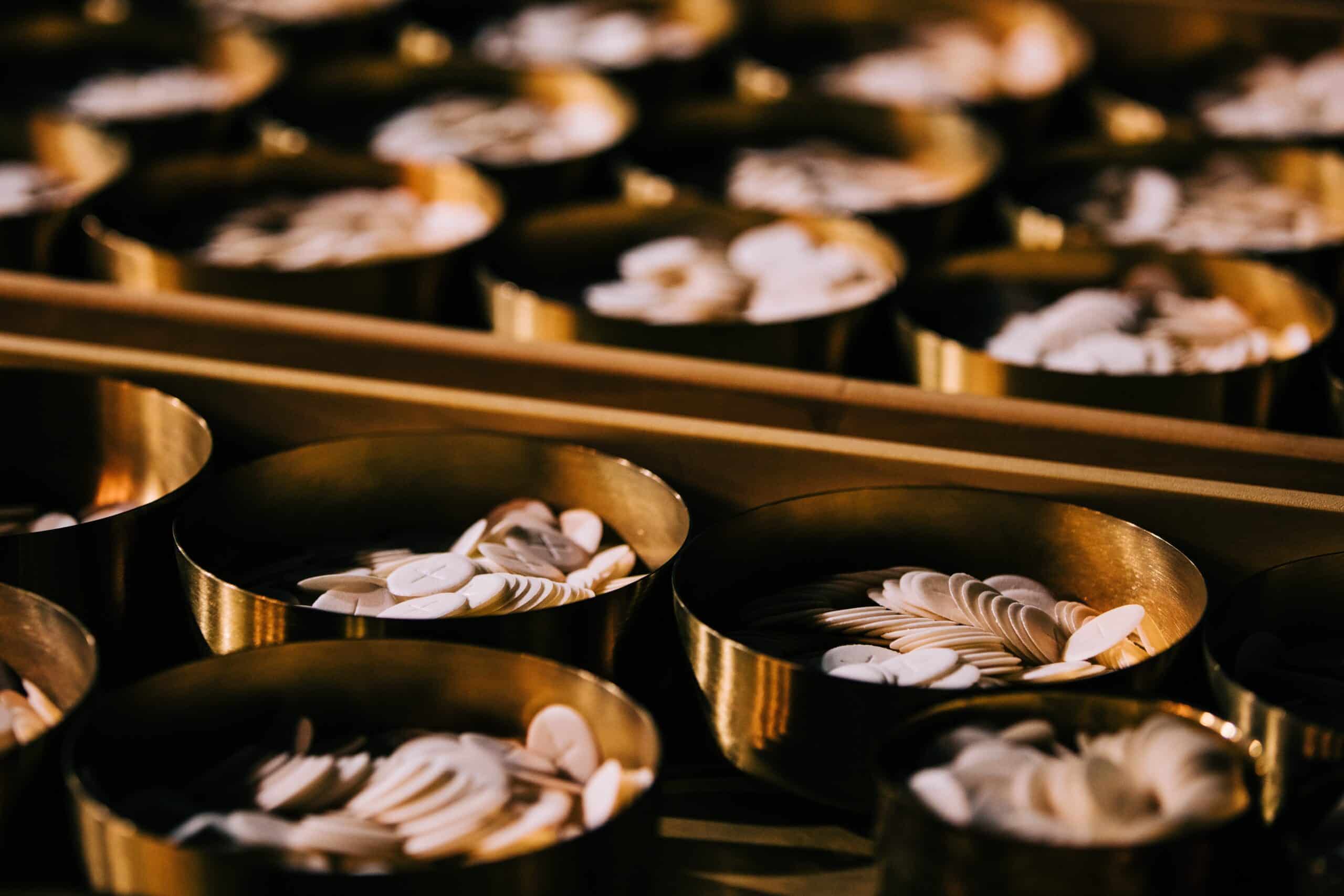
Understanding the Sacrament of the Eucharist
The Church invites us to celebrate the Sacrament of the Eucharist and to receive Holy Communion “often” and “worthily” (CCC 1389).

The Church invites us to celebrate the Sacrament of the Eucharist and to receive Holy Communion “often” and “worthily” (CCC 1389).
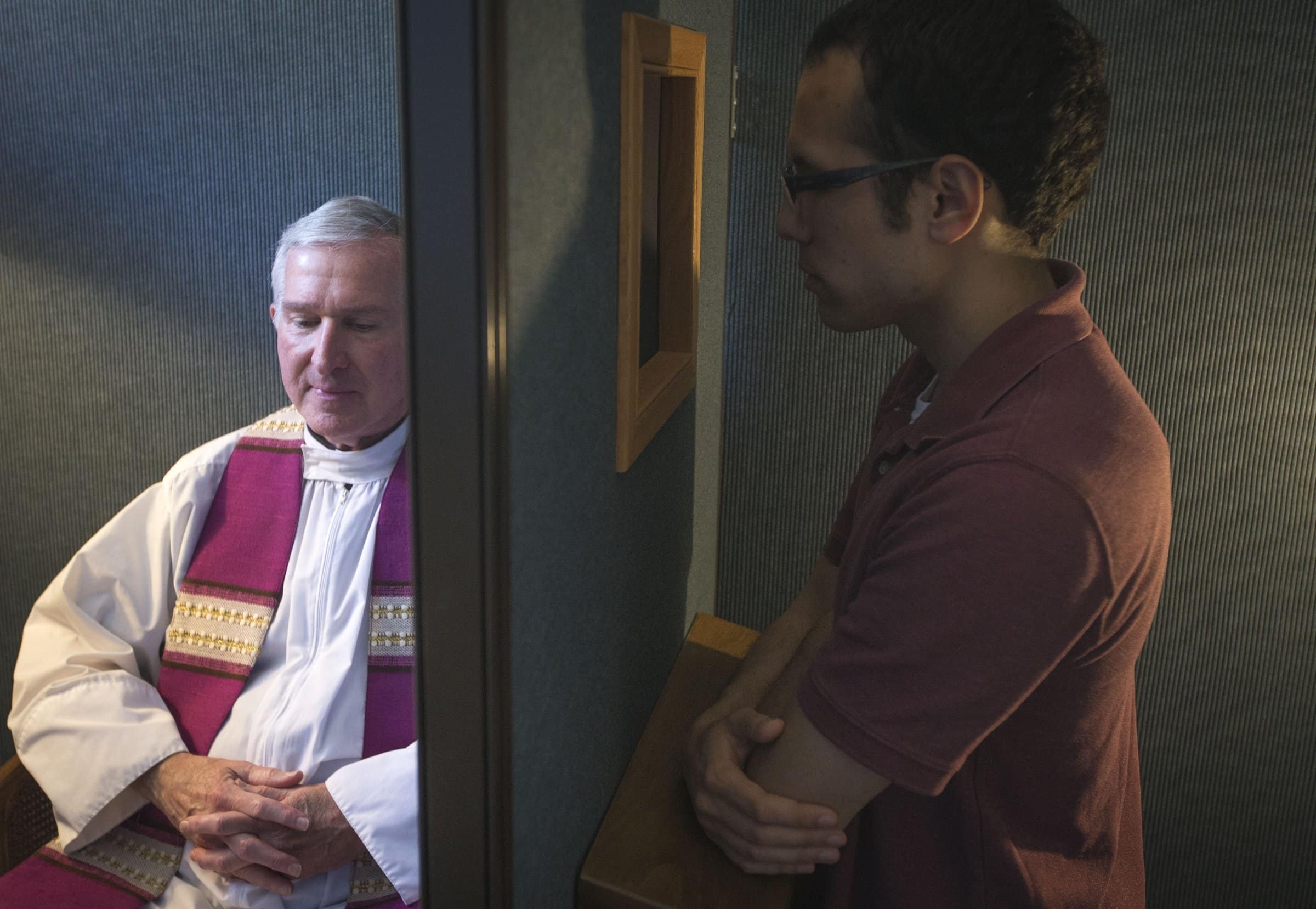
Making the Sacrament of Reconciliation a vibrant part of one’s spiritual life—especially if it hasn’t been such in quite a while—basically just requires the decision to begin again.
Vatican II clarified that marriage is a partnership between a man and a woman ordered toward their mutual good and the procreation and education of children (cf. GS, 48.1).
Grateful living is a celebration of the universal give-and-take of life, a limitless “yes” to belonging.
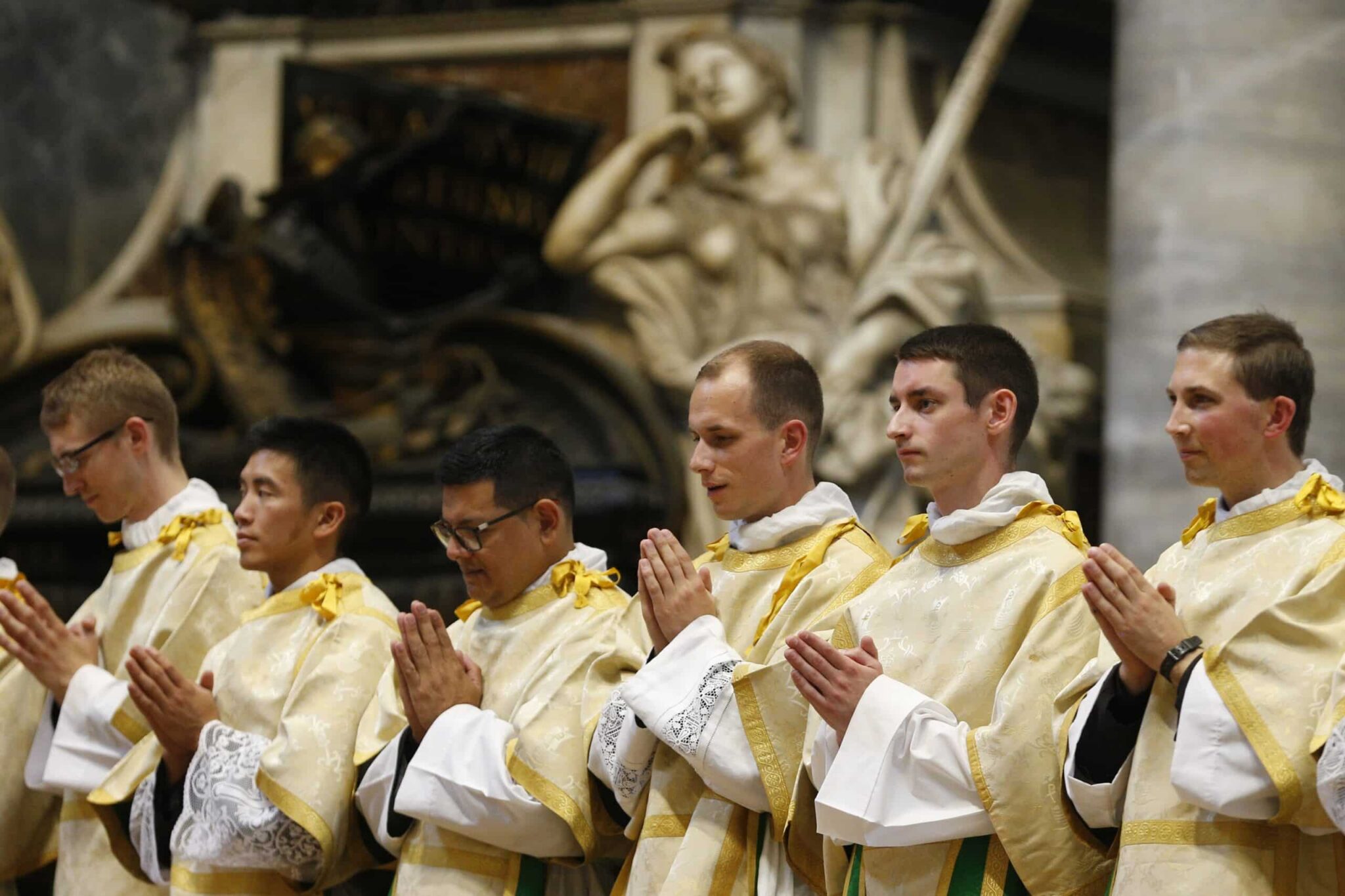
If the Lord is truly calling a man or a woman to religious life or priesthood, he or she needs to listen and respond not only for the sake of the Church, but also for his or her own happiness and fulfillment. The Sacrament of Holy Orders celebrates this journey.

Jesus was a healer, not as a practitioner of medical science but rather as a miracle worker. The Gospels are full of reports about his miraculous activities. Indeed, almost one third of Mark’s Gospel is devoted to Jesus’ miracles.
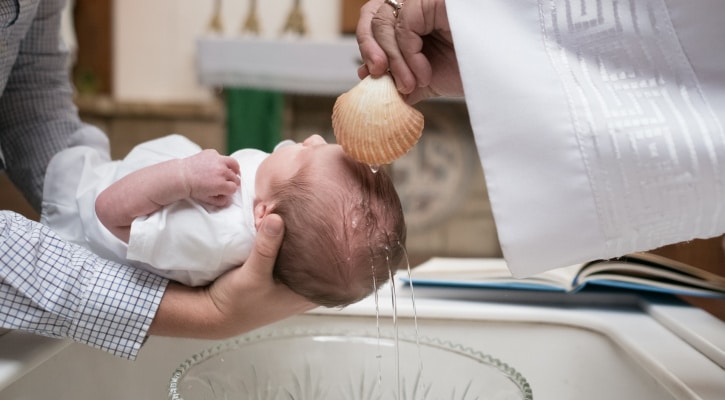
Having a baby baptized is both an act of faith and a cultural affair. It is both a statement of trust in the goodness of God as well as a family event that can be faith-filled. Baptism is the beginning of a sacred journey.
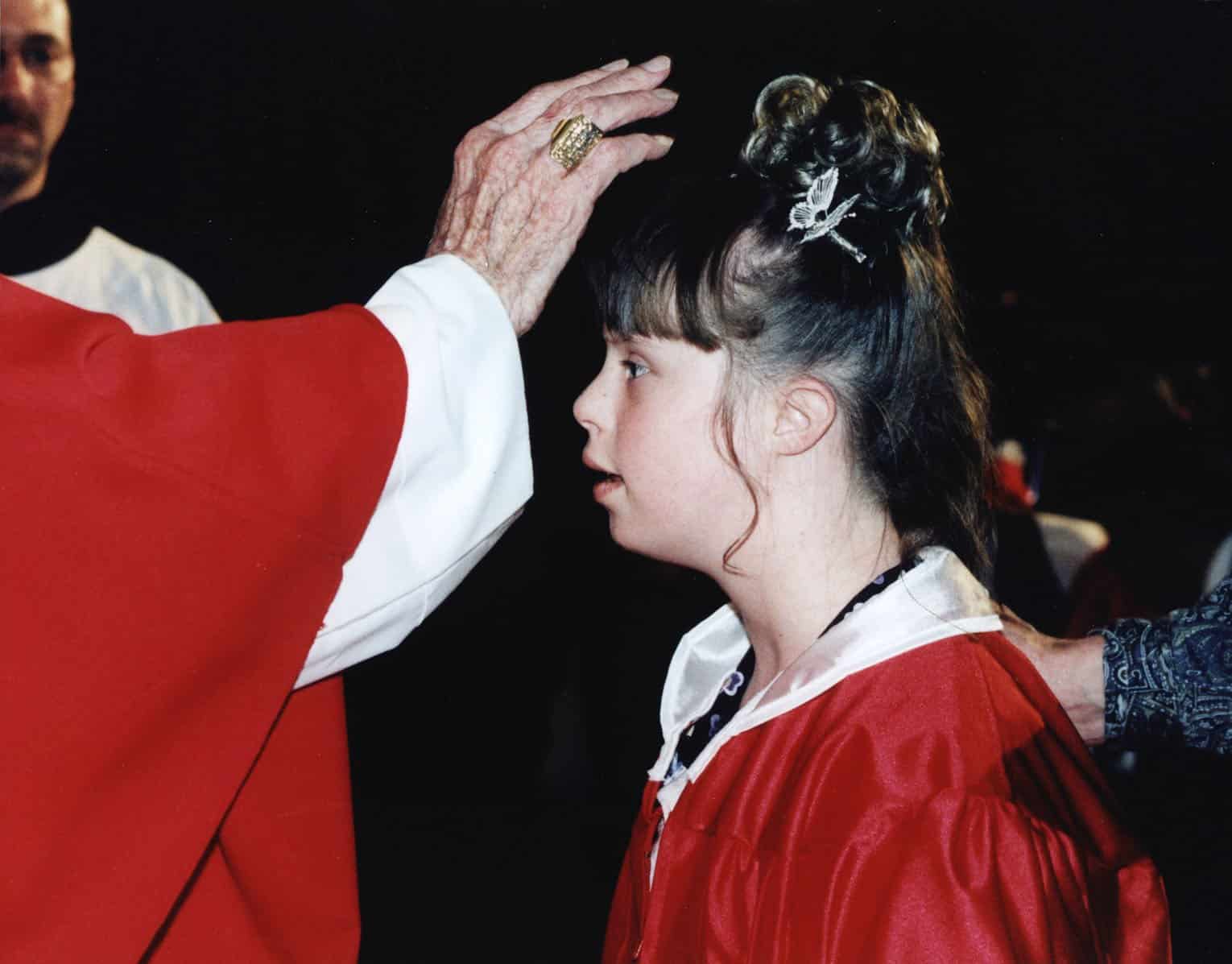
The Sacrament of Confirmation is not a rite of passage, nor a graduation from religion class, nor a ratification of a personal faith choice. Rather, it’s all about what God is doing for his beloved daughters and sons.
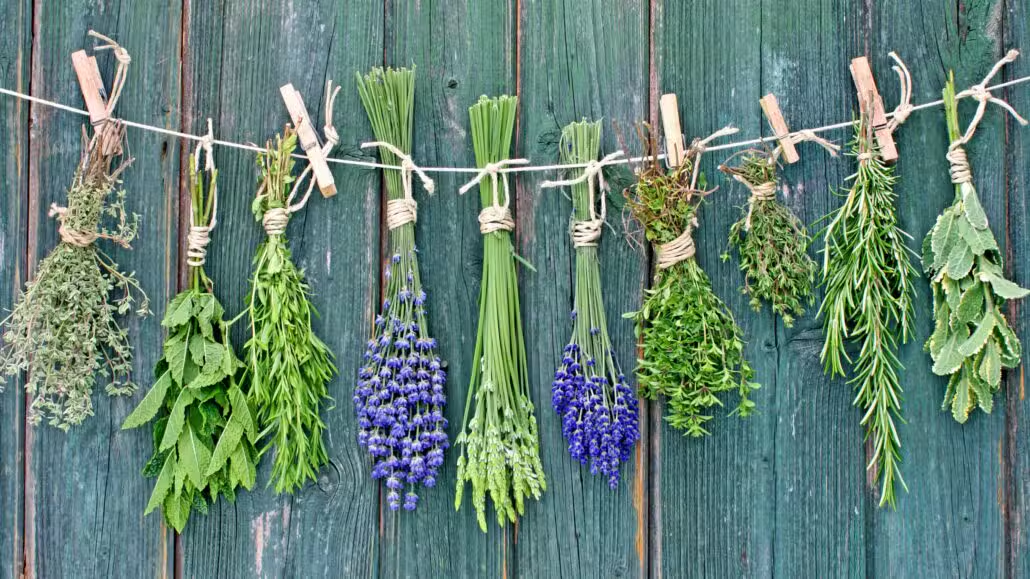
Spice up your Thanksgiving dinner with these ingredients from the Bible.
This poem is a perfect reminder of God’s great gift of love as revealed through the suffering and rising of Jesus Christ, the Incarnate Word.