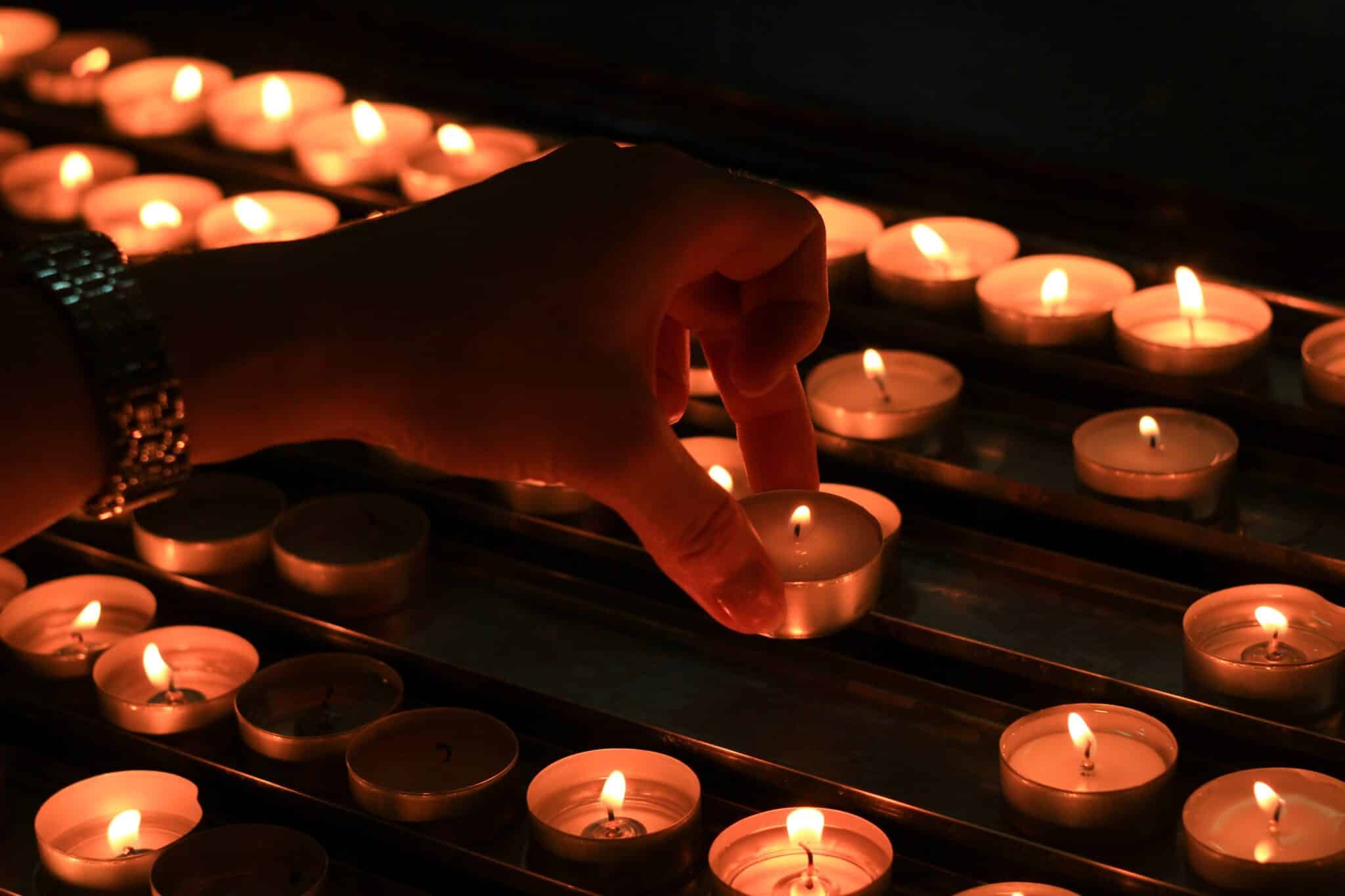
In, But Not of, the World
Perhaps we never truly feel we belong to this world, even if we cling to it, make it serve us, and try to get it to accept us.

Perhaps we never truly feel we belong to this world, even if we cling to it, make it serve us, and try to get it to accept us.
In recent years the Holy Father has led the Way of the Cross during Holy Week at the Colosseum in Rome. This annual custom would have pleased the great Franciscan preacher Leonard of Port Maurice.

Clarity grows with the spirit of acceptance and the purifying of the mind.
St. Margaret of Cortona was a thirteenth-century Italian orphaned at seven. She later lived with a man to whom she bore a son out of wedlock.
By now, no one needs to tell you about the impact of the pandemic we’re experiencing. There are a great number of inconveniences. There is also a lot of fear and confusion. Social distancing and the rate of change make all of our daily lives more difficult.

The human mind can be very reactive. We don’t get what we want and we rage, complain, or attack whatever we can blame for the disappointment.
There the Lord promises a “new covenant” to the people. Once again, Jeremiah anticipates Jesus.

You have only to be truthful to cause trouble. But it’s a different kind of trouble when you are untruthful.
Teresa brought her prodigious gifts to her time. She grounded her public persona in a deep personal life.
Stability brings the point of departure and the place of arrival together in a dynamic stillness and a radical openness to change.