
Learning to Live Poorer: A Meditation for Lent
“If we really want to be at peace,” environmentalist Wendell Berry writes, “we will have to waste less, spend less, use less, want less, need less.” Lent is the time to put this into practice.

“If we really want to be at peace,” environmentalist Wendell Berry writes, “we will have to waste less, spend less, use less, want less, need less.” Lent is the time to put this into practice.

Silent prayer can be healing, as Friar Jeremy explains.
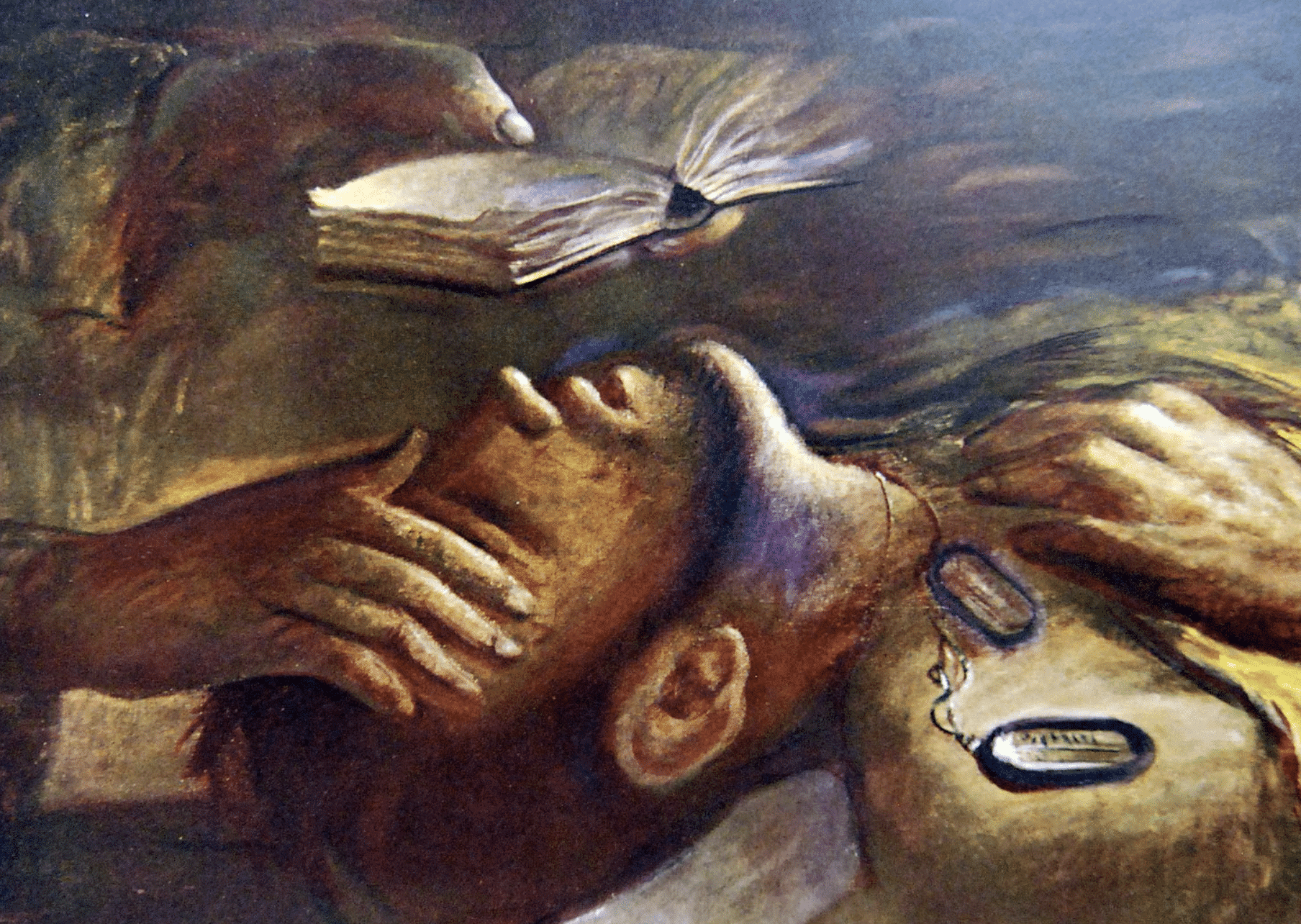
For me, visiting a dying person is a special, graced-filled moment because I am so much aware of the loving care the Church gives to one about to enter eternity.
Lent is based on Christ’s 40-day fast in the desert, which recalls the 40 years that the Hebrew people wandered between leaving Egypt and entering the Promised Land.

As parents, we know that kids always ask, “Why?” about everything.

Years ago, as Lent approached, I asked a trusted spiritual counselor what he was going to give up. He gave me a sly grin and said, “I’m giving up giving things up for Lent.”

It was Louisiana Sweet Dough Pie, and it is served only once a year—on Good Friday.
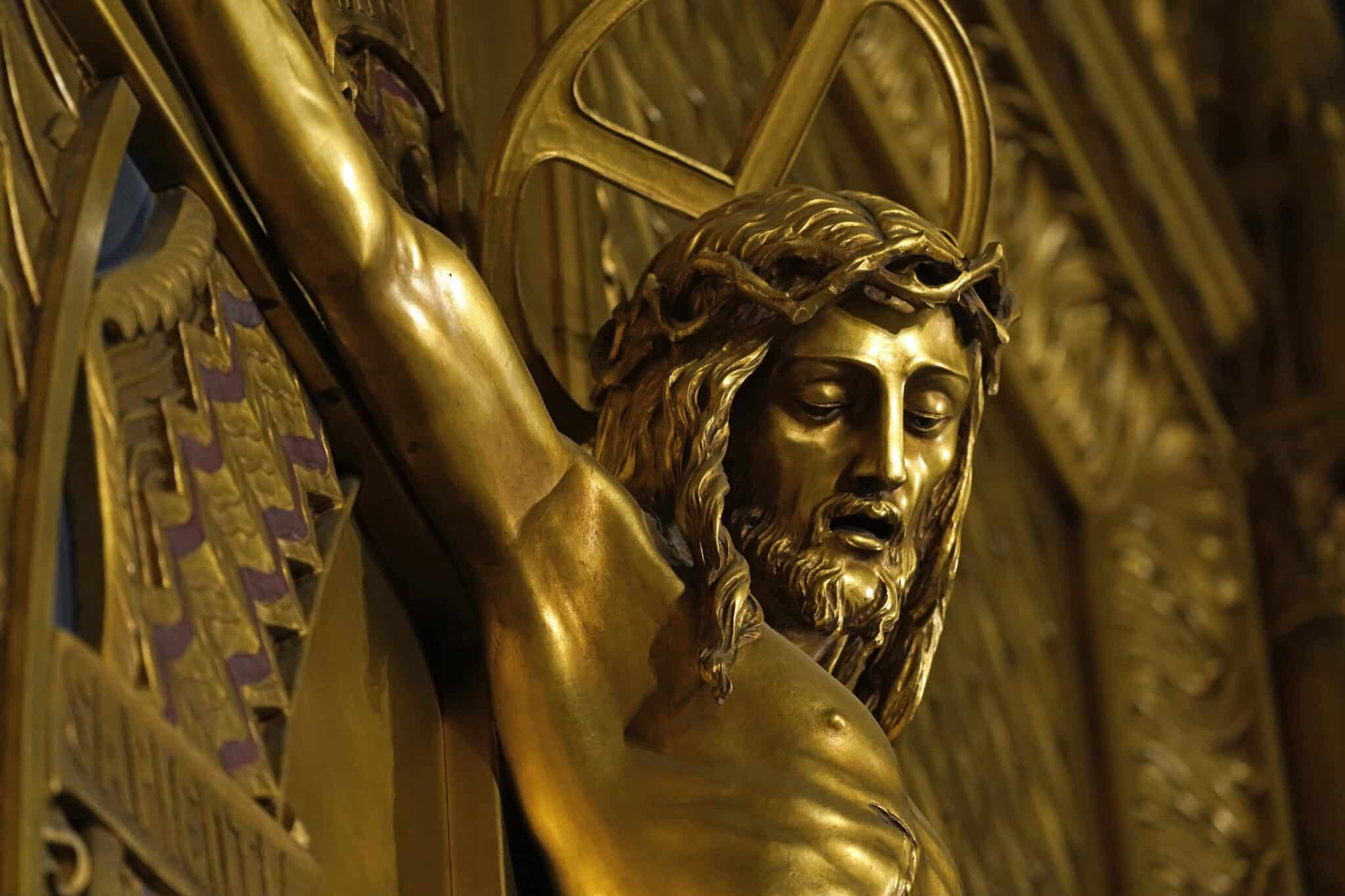
Our understanding of penance is based on our understanding of sin.

How did this holiday of love and romance originate and, more importantly, how did St. Valentine become involved? The answers to those questions are not easy ones. Valentine’s Day is a holiday shrouded in mystery and legend.

Although the mid-February holiday celebrating love and lovers remains wildly popular, the confusion over its origins led the Catholic Church, in 1969, to drop Saint Valentine’s Day from the Roman calendar of official, worldwide Catholic feasts.