
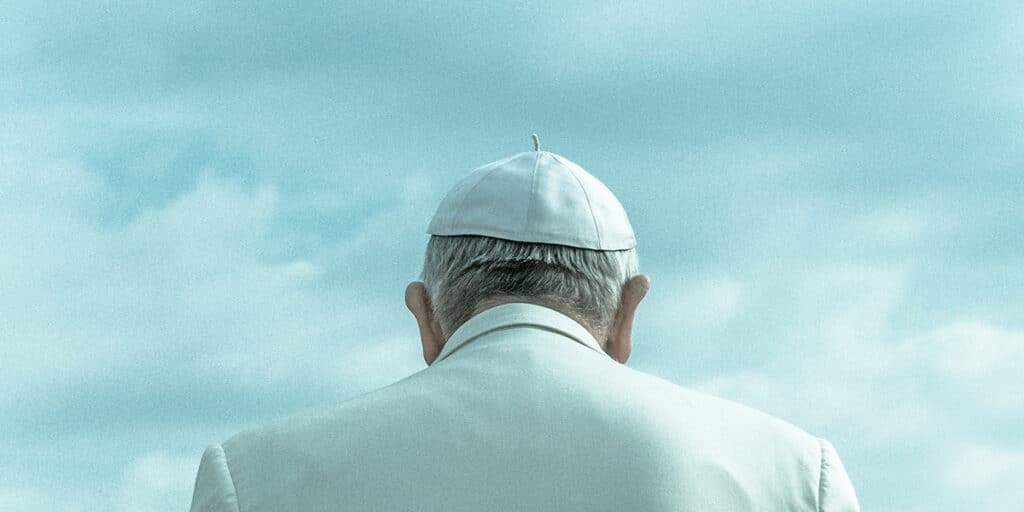
Fratelli Tutti is a social encyclical written by Pope Francis and published in 2020. Its title, meaning “All Brothers” or “Brothers and Sisters All,” is inspired by the writings of Saint Francis of Assisi. The document explores how people can build a more just, compassionate, and united world by recognizing the dignity and worth of every human being.
At the heart of Fratelli Tutti is the idea of universal fraternity. Pope Francis argues that modern societies are increasingly divided by nationalism, political polarization, economic inequality, discrimination, and social isolation. He warns that excessive individualism and indifference toward others can weaken social bonds and prevent genuine human development. Instead, he encourages people to cultivate solidarity, empathy, and a sense of responsibility for one another, especially for those who are poor, vulnerable, or marginalized.
The encyclical emphasizes the importance of dialogue as a tool for resolving conflicts and promoting peace. Rather than viewing differences as threats, Pope Francis suggests that diverse perspectives can enrich communities when approached with respect and openness. He calls for a culture of encounter, where people listen to one another and work together for the common good.
Another major theme is social friendship. According to the document, authentic relationships should extend beyond family, nationality, religion, or cultural background. Pope Francis advocates for a society in which people actively seek the welfare of others and recognize their interconnectedness. This principle also influences his discussion of migration, where he urges nations to balance practical concerns with compassion and hospitality toward migrants and refugees.
The encyclical further critiques economic systems that prioritize profit over human dignity. It encourages political leaders, institutions, and citizens to place ethical values at the center of decision-making. Pope Francis argues that economic and political structures should serve people rather than treat them as disposable.
Overall, Fratelli Tutti is a call to global solidarity, peace, and mutual care. It challenges individuals and societies to overcome prejudice, division, and indifference, and to build a world grounded in justice, compassion, and a shared commitment to the dignity of every person.
✛ ✛ ✛
A Look at Fratelli Tutti
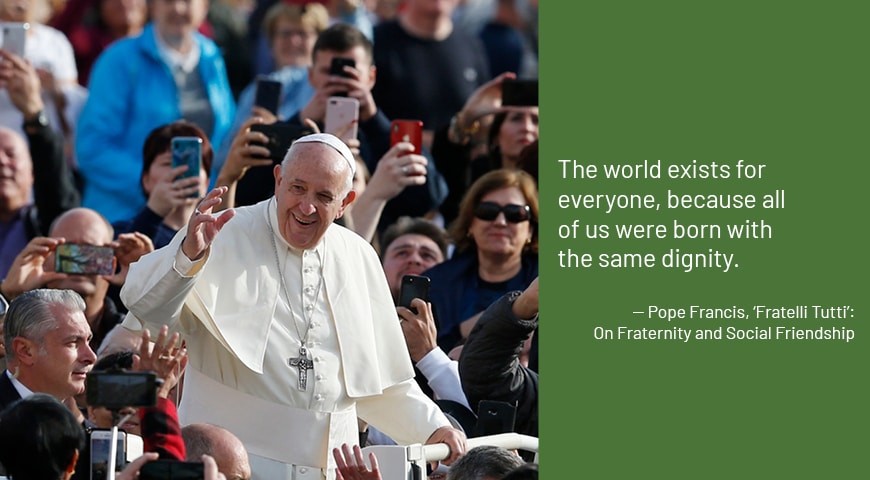
When we consider what humans have done to our environment, a Franciscan heart should cry! Thinking of the beauty of Francis’ Canticle of Creation and then seeing in the media, rivers of plastic, pristine beaches covered with oil, and dying wildlife—all this leaves a hole in my heart. It seems to me that social friendship and care for our common home would be much improved if we had better ecumenical and interfaith relations. Why do I suppose that this would be true?
Simply because all of the world’s religions have transcendent values that are not self orientated but directed to the other and to the divine. Read more.
✛ ✛ ✛
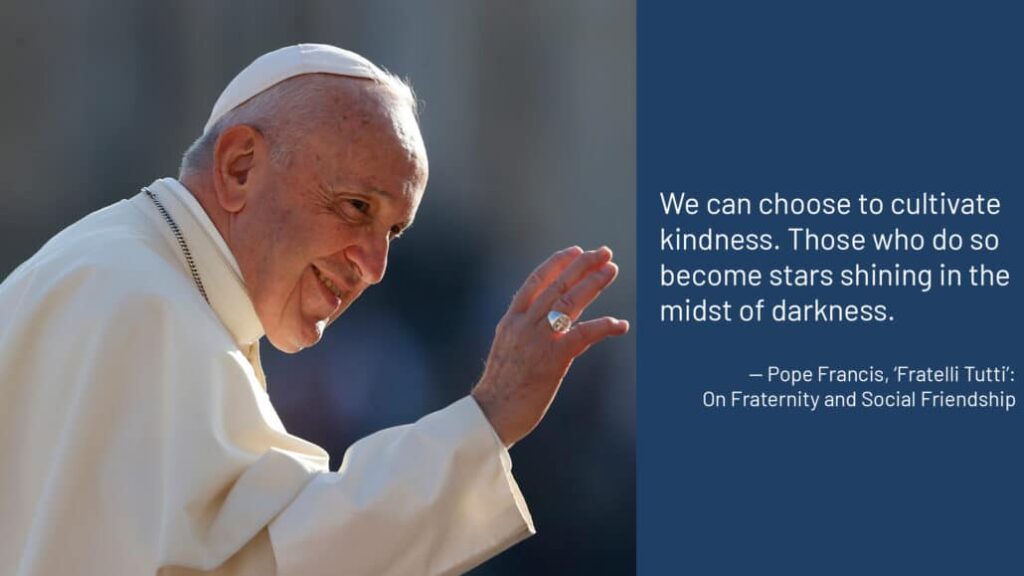
The teacher in me encourages me to conclude with a suggestion to help our readers internalize the messages in “Fratelli Tutti.” Too often we forget what we read on our own, but to process the material aloud with others, with our fratelli, expands our insights, builds bonds of friendship and dialogue, and engages more of our senses to help us internalize what we read.
“Fratelli Tutti” lends itself nicely to a small group coming together regularly for discussion and sharing. And there should be no hurry to finish the book! Meeting over Zoom or conference calling during this time of pandemic can have positive consequences in many directions, building community and interaction in times of isolation. Read more.
✛ ✛ ✛

Political love put into action works to change the social conditions that cause suffering of others, is open to everyone, and insists that different voices be heard. This kind of love is found in all realms: personal relationships, social, economic and the political. To integrate this love into all levels, each of us needs to start somewhere.
What bonds across divides are we willing to create now? Read more.
✛ ✛ ✛
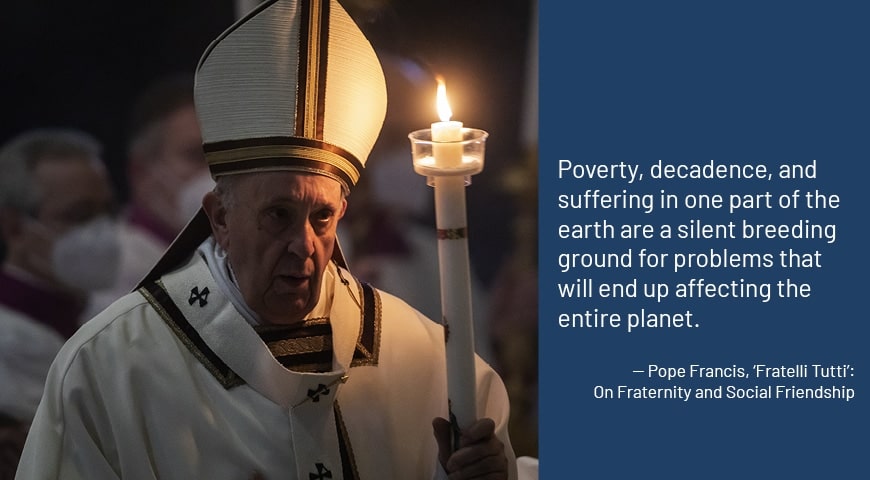
Chapter Two of “Fratelli Tutti” reflects on the Good Samaritan parable. For years many of us have heard it as an exhortation to individual compassion. After this series was published, I began to see this parable as also reflecting “care for our common home,” the second part of the encyclical’s subtitle. Individual compassion is wonderful, but a compassionate society reflects even better our being made in God’s image and likeness.
What other insights will “Fratelli Tutti” bring us in the years to come? Read more.
✛ ✛ ✛

“Dark Clouds Over a Closed World.” This ominous title for the first chapter warns us that we must take careful stock of the enormity of the crises we face. No shallow optimism, no despairing withdrawal can help. We must take time to understand the sources, the deeper rationale, the objective evidence for this global disease.
Then, Pope Francis counsels: “Together we can seek the truth in dialogue…. To do so calls for perseverance; it entails moments of silence and suffering, yet it can patiently embrace the broader experience of individuals and peoples” (50). Read more.
Fratelli Tutti Fratelli Tutti